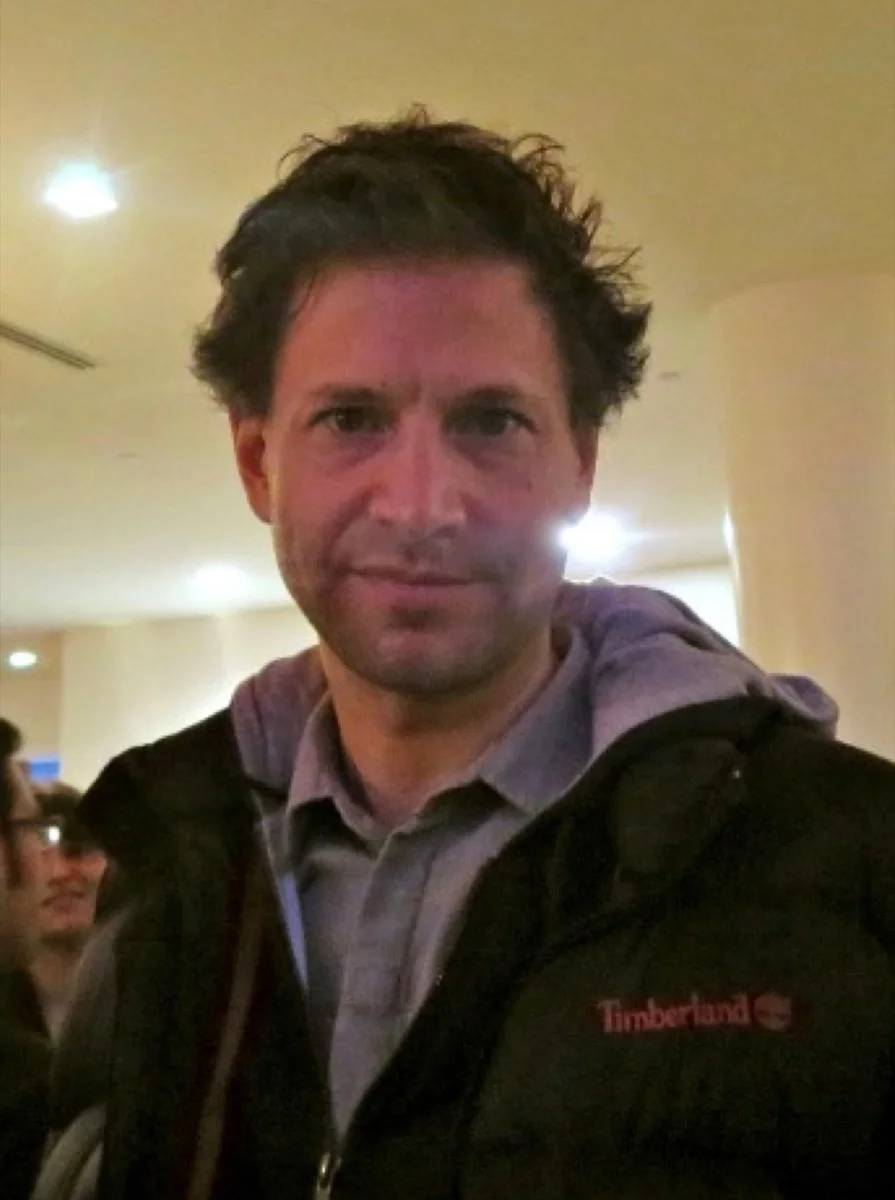
Bennett Miller
Filmmaker
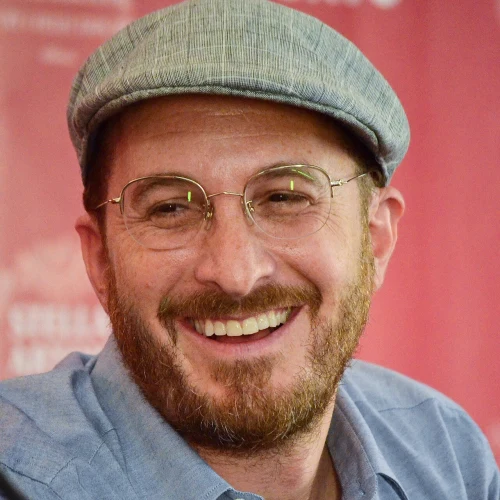
Oscar-nominated director of Capote, Moneyball, and Foxcatcher who was among the first outsiders to use DALL-E — and turned it into haunting sepia prints shown at Gagosian in New York, Beverly Hills, and Paris.
Why this score
How the formula works →- +2.4proUses AI in their work
- +2.4proHas published AI-made work
- +1.6proRecognized for AI work
- +0.9pro2 pro-AI statements (forceful)
- ±0nuancedHolds a documented two-sided view
Weights, statement counts, the ×1.25 multiplier for having a stake in an AI-impacted field, and the formula’s smoothing are already baked in — the points add up to the score (direction-free evidence pulls toward the middle instead): Strongly Pro-AI · 7.3/10
In his words
It’s a new medium, and that’s a hard thing to grasp what that actually means.
It allows me to do something I’ve always wanted to do. Even if you couldn’t have described it before.
Biography
Bennett Miller (born 1966 in New York) earned Best Director Oscar nominations for Capote (2005) and Foxcatcher (2014) — winning Best Director at Cannes for the latter — and directed the six-time-nominated Moneyball (2011). Around 2020 he began work on a documentary about artificial intelligence, interviewing figures including OpenAI’s Sam Altman; through that access he became one of the first ten people outside the company to use an early version of DALL-E.
From film sets to Gagosian walls
What began as research became a body of work: dreamlike, sepia-toned pigment prints that look like recovered 19th-century photographs of events that never happened. Gagosian — the world’s most powerful gallery — gave them a New York show in March 2023, followed by Beverly Hills in 2024 and Paris in 2025. Miller told Artnet News in 2023 that AI had brought us to the precipice of imagination-defying transformations with, he cautioned, no adults in the room.
Miller’s method is deliberate surrender: he argues the medium’s genius lies in giving the model space rather than over-directing it — dial the control too tight, he says, and you strangle the medium. His still-unreleased documentary keeps the same temper; he describes it as not advocacy but “a slow, sober, genuine inquiry.” Critics have called the prints elegiac precisely because they mourn the certainty about images that AI is ending — a tension Miller embraces rather than resolves.
Quote sources
- The Art Newspaper, 2025(theartnewspaper.com)
Sources & further reading
Canonical record: https://battlelines.ai/topic/bennett-miller