Tag
109 subjects · 48 pro-AI · 51 anti-AI
Showing 109 profiles · 48 pro-AI · 51 anti-AI · 8 nuanced · 2 neutral
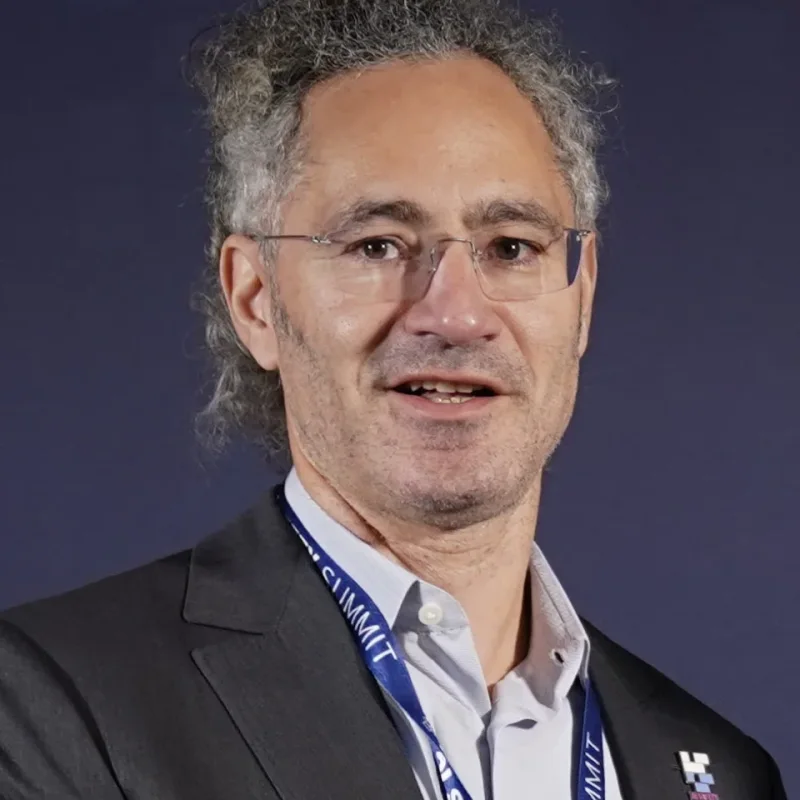
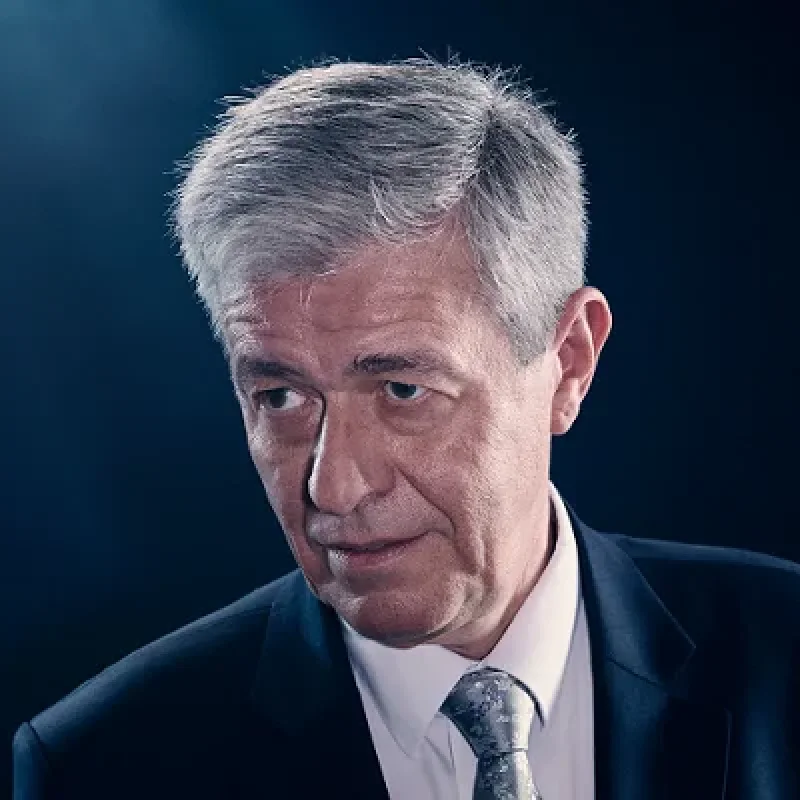
CEO of Palantir
Palantir’s philosopher-CEO, who launched its Artificial Intelligence Platform for military and enterprise use and argues in “The Technological Republic” that the West must win the AI arms race — while openly conceding the technology’s dangers.
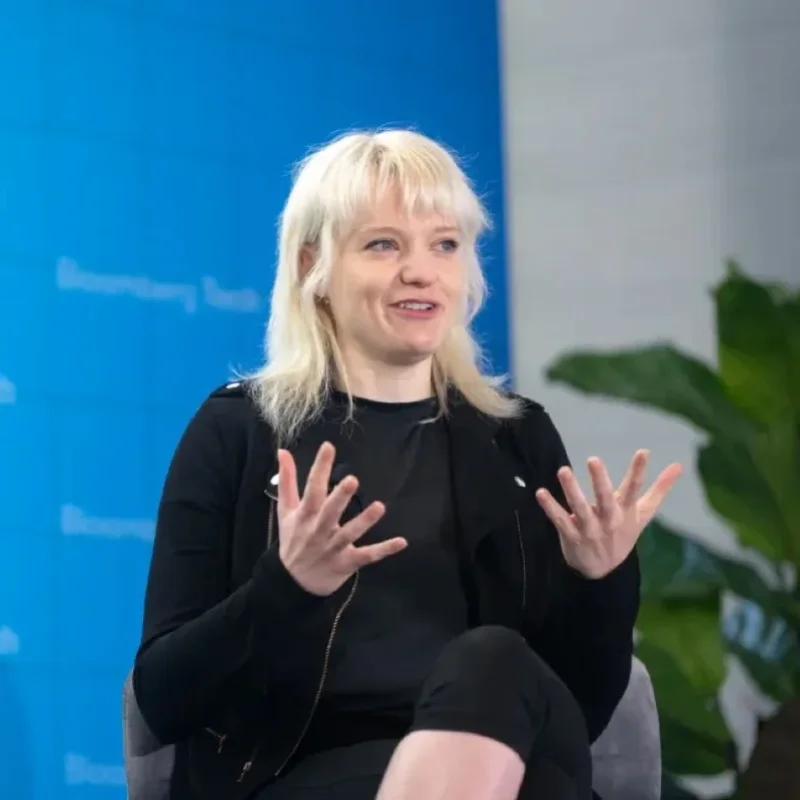
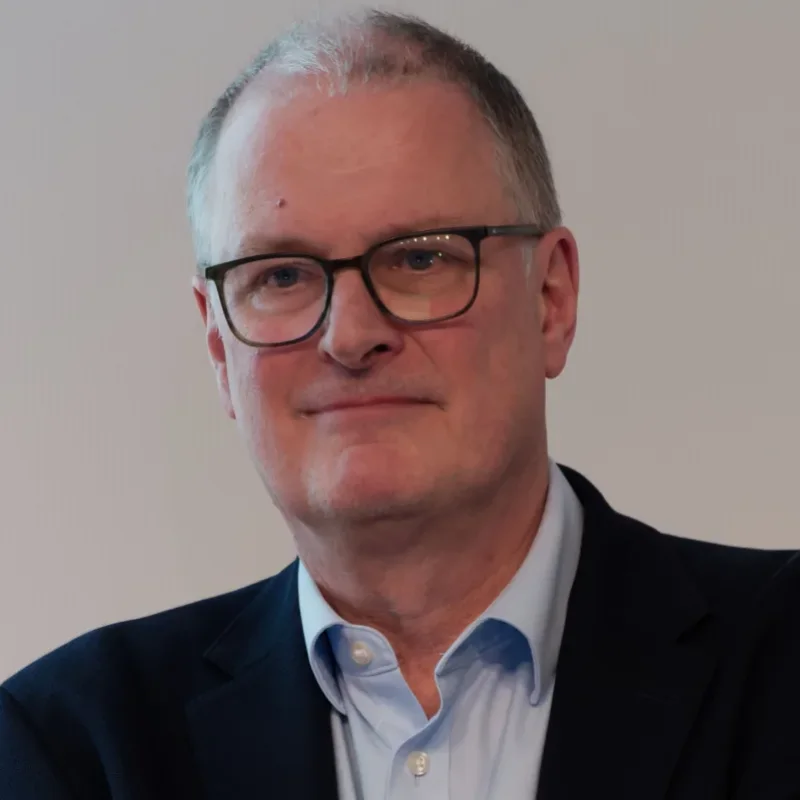
Philosopher at Anthropic
Scottish philosopher who leads work on Claude’s character at Anthropic — the researcher most responsible for teaching a frontier AI model what it means to be good.
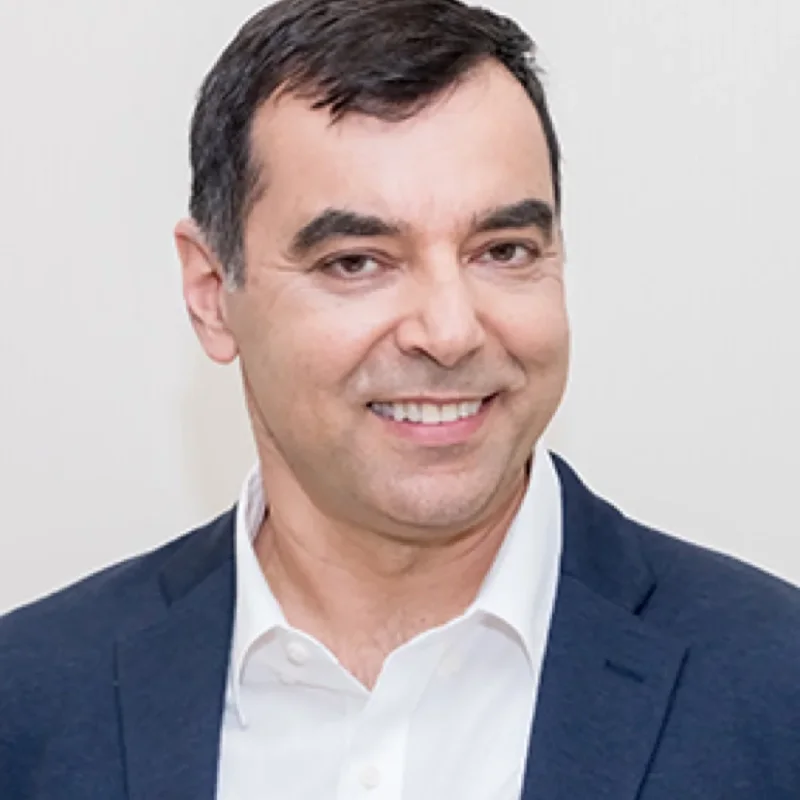
Founder & CEO of Mobileye
Israeli computer-science professor who founded Mobileye and co-founded LLM lab AI21 Labs — a career built on shipping AI, from autonomous driving to language models. He predicts AIs that are “great scientists” within a decade and argues regulation should follow technology, not lead it.
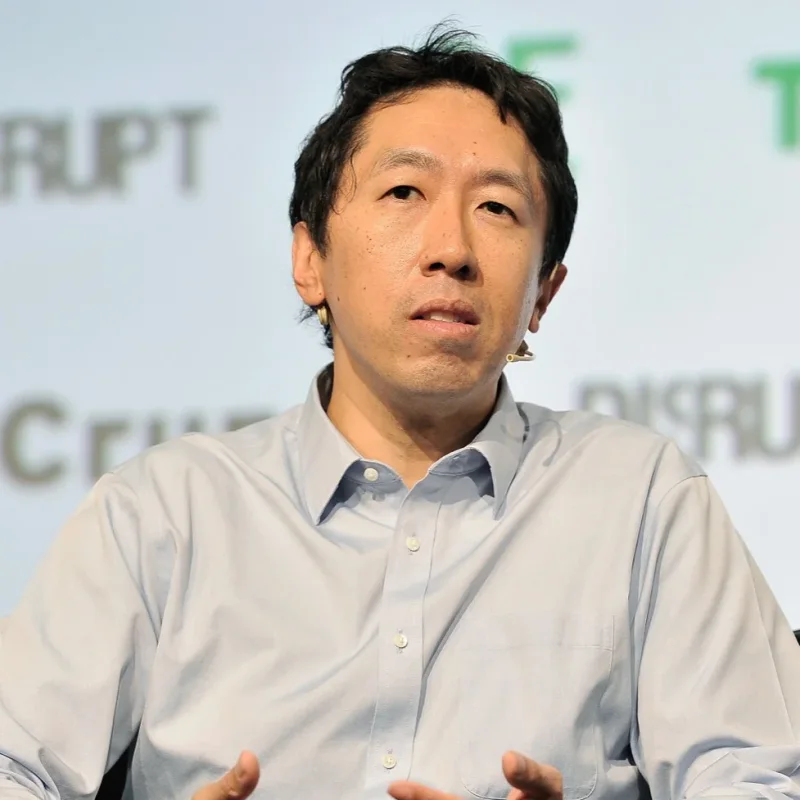
AI Researcher & Educator
Google Brain co-founder, Coursera co-founder, and the field’s great popularizer — famous for calling AI “the new electricity” and for dismissing extinction fears as a doom myth that mostly serves incumbents.
Caltech Professor, AI for Science
Caltech Bren Professor and former NVIDIA AI research director who led FourCastNet, the first fully AI-based weather model, and evangelizes neural operators as the engine of AI-accelerated science.
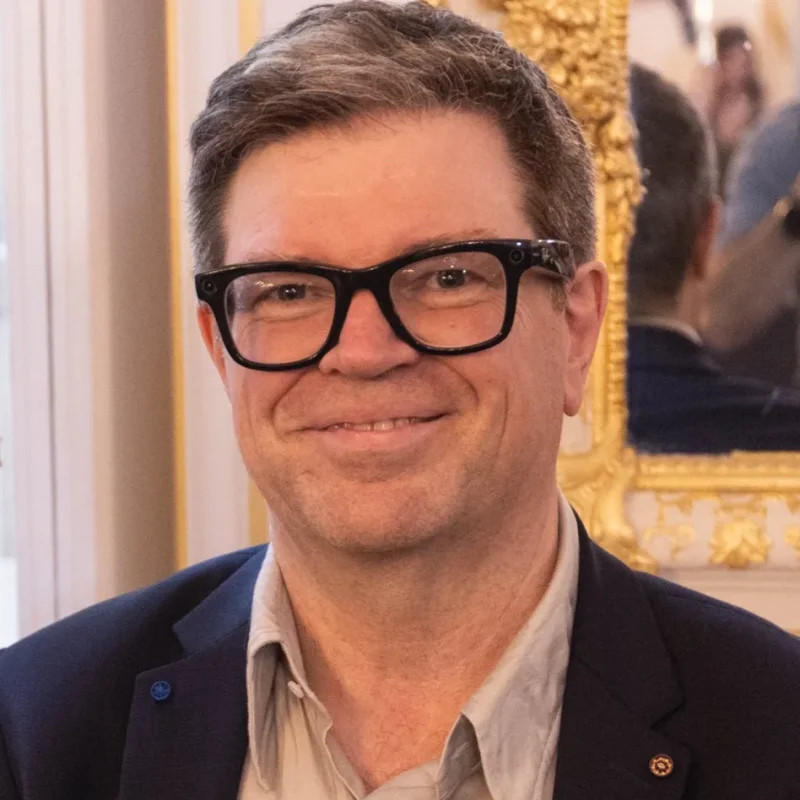
Roboticist & Engineering Dean
Roboticist who went from NASA’s Mars rovers to founding Zyrobotics and leading Ohio State’s College of Engineering — a builder who champions AI’s benefits while researching why humans trust robots too much.
Co-Founder of Physical Intelligence
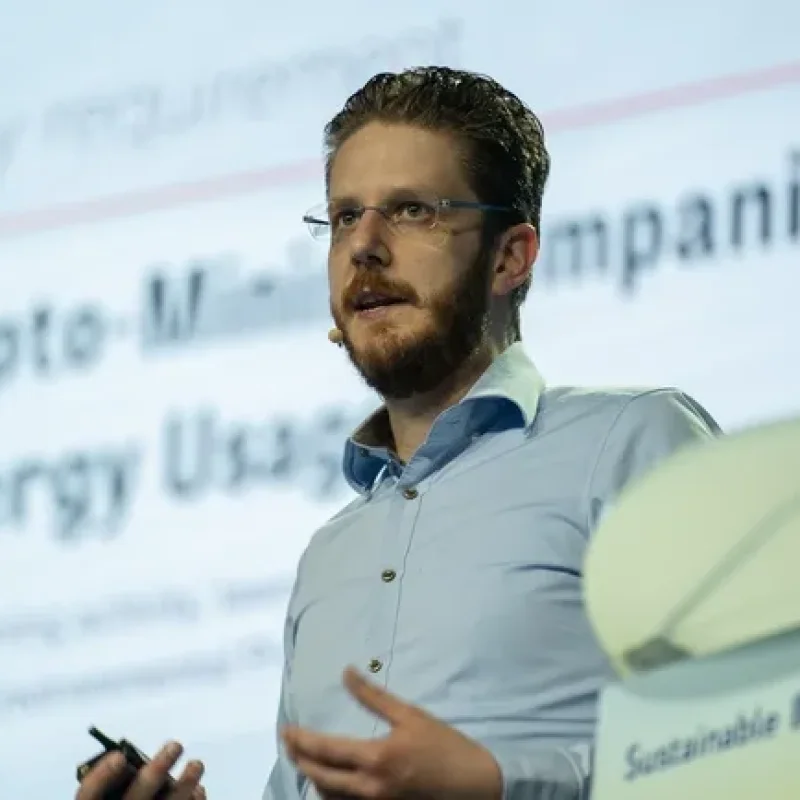
Stanford professor and meta-learning pioneer who co-founded Physical Intelligence, the multi-billion-dollar startup building a single foundation model to control any robot doing any task.
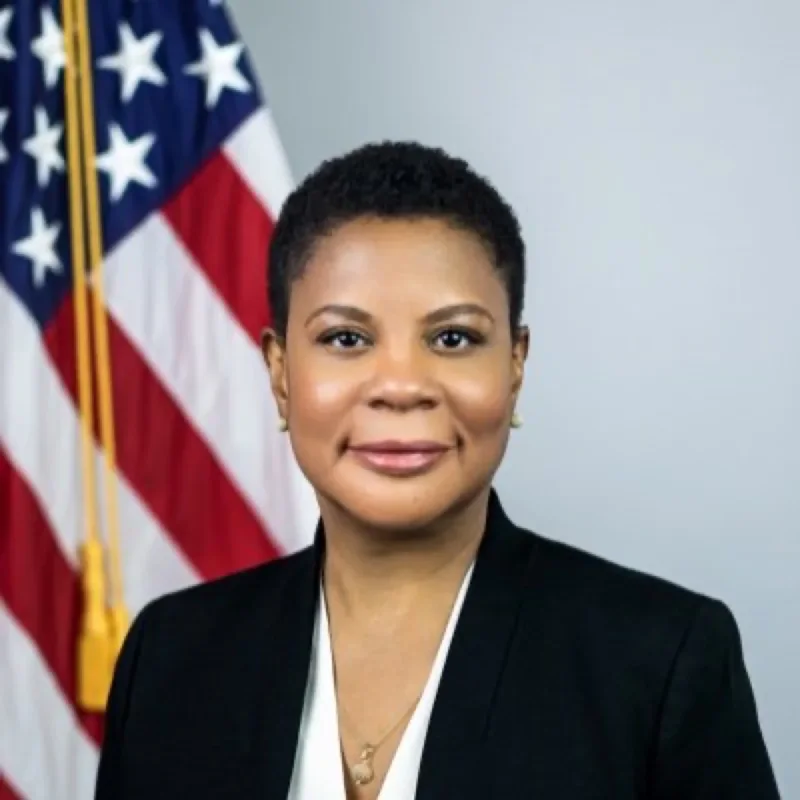
Social Robotics Pioneer
MIT Media Lab professor who invented social robotics with Kismet, founded the home robot Jibo, and now directs MIT RAISE — a global push to make AI literacy as universal as reading, reaching a million students in 170 countries.
Nobel-Winning Psychologist
The Nobel laureate who mapped human irrationality in “Thinking, Fast and Slow.” Having spent a career documenting how noisy human judgment is, he concluded algorithms simply judge better: “Clearly AI is going to win. It’s not even close.”
Founder & CEO of insitro
MacArthur-winning Stanford machine-learning professor and Coursera co-founder who now runs insitro, a drug-discovery company built on the bet that machine learning will remake how medicines are made.
MIT Labor Economist
MIT’s leading labor economist — famous for documenting how automation hollowed out middle-class jobs — who now argues AI could reverse that damage by extending expert-level skills to millions of ordinary workers.
Biochemist
Biochemist who shared the 2024 Nobel Prize in Chemistry for computational protein design. His lab’s AI tools have become the showcase for AI-accelerated science — building new proteins to fight cancer, viruses and disease.
AI & Security Researcher
MacArthur-winning Berkeley professor at the intersection of AI and security who builds frameworks for safe, trustworthy AI — and joined Meta Superintelligence Labs in 2026 to lead its AI safety and security research.
Computer Scientist
The Stanford legend behind “The Art of Computer Programming” and TeX. A pointed ChatGPT skeptic in 2023, he published “Claude’s Cycles” in 2026 after Claude solved an open problem he couldn’t — calling it a dramatic advance and tipping his hat.
Creator of Tilly Norwood
Dutch comedian, physicist, and producer who created Tilly Norwood, the AI “actress” that ignited Hollywood’s fiercest synthetic-performer firestorm in 2025 — and who defends her as a new art form, not a replacement for humans.
Cardiologist & Author of Deep Medicine
One of medicine’s most-cited researchers and founder of the Scripps Research Translational Institute. His book “Deep Medicine” argues AI can make healthcare human again, and he has become the field’s most tireless evangelist for medical AI.
Economist
Stanford economist and The Second Machine Age co-author who argues AI should augment workers rather than replace them — and that, steered well, it could make the 2020s the best decade in history.
Professor & Author
Wharton professor and author of the bestseller Co-Intelligence, and probably the most cited voice on using AI practically at work. His first rule: always invite AI to the table.
AI Researcher
Stanford computer scientist known as the “godmother of AI” — creator of ImageNet, co-founder of Stanford HAI, and founder of World Labs. She champions a human-centered vision of AI as a tool that must serve people.
Mathematician & Broadcaster
Cambridge professor of the public understanding of mathematics, author of “Hello World,” and host of Google DeepMind’s podcast — Britain’s foremost explainer of algorithms, clear-eyed about their flaws and “really optimistic” about AI.
Roboticist
The Osaka University roboticist famous for building android copies of himself. He produced the “Future of Life” pavilion at Expo 2025, staging a future where humans and AI-driven androids coexist — and even evolve together.
Theologian
Franciscan sister and Villanova theologian who argues religion should embrace AI as the next stage of evolution — her book “Re-Enchanting the Earth” calls religion “the linchpin of the future of AI.”
Nobel Laureate, CRISPR Co-Inventor
Nobel laureate co-inventor of CRISPR gene editing who uses machine learning to discover new editing tools and expects AI to have a “huge impact” on genome editing — while warning that hype outruns what AI can actually do in biology.
Vienna theologian who used ChatGPT to generate and lead a full church service for more than 300 worshippers in 2023 — an experiment in AI-made worship that he presented candidly, limits and all.
Chief AI Officer of Cohere
McGill professor who ran Meta’s FAIR research lab for years before becoming Cohere’s first chief AI officer in 2025 — a champion of open, reproducible science who chose enterprise AI over the AGI race.
Neuroscientist
One of the world’s most-cited neuroscientists, author of the free-energy principle. Rather than warning about AI, he joined the AI company VERSES as chief scientist to build “active inference” systems he believes will outdo deep learning.
Robot Ethicist
MIT Media Lab robot ethicist whose book “The New Breed” argues we should think of robots and AI as animal partners — supplements to human life, not replacements or rivals.
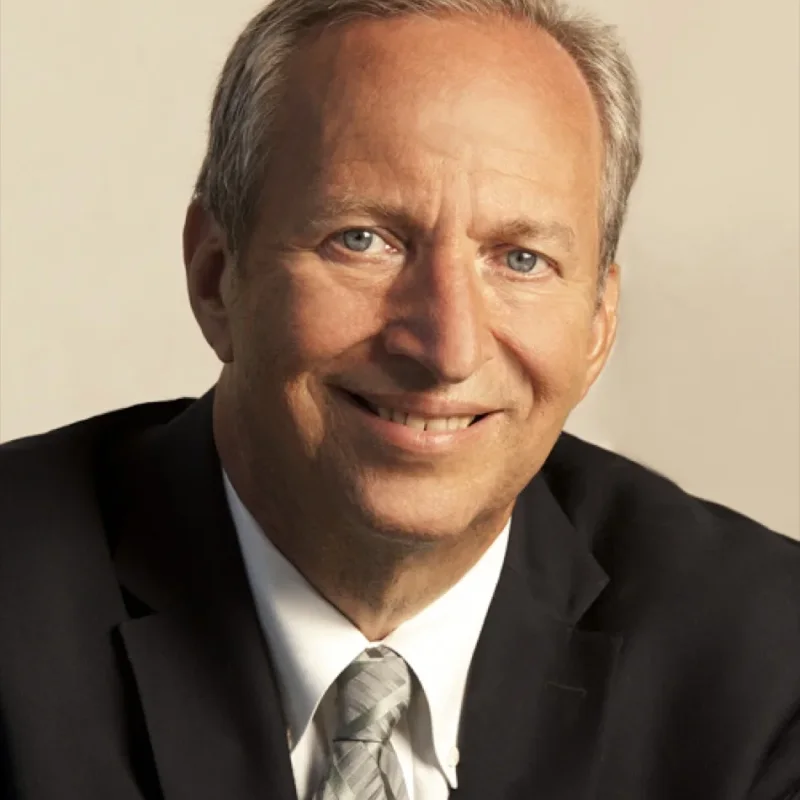
Economist & Former U.S. Treasury Secretary
Former U.S. Treasury Secretary and Harvard president who joined OpenAI’s board in 2023 and calls AI potentially the biggest economic event since the Industrial Revolution — capable of substituting for “almost all forms of human labor.”
Santa Fe Institute professor and author of “Artificial Intelligence: A Guide for Thinking Humans” who argued against AI-extinction fears at the 2023 Munk Debate — a working AI researcher against both hype and doom.
Machine Learning Researcher
The Berkeley professor often ranked the most influential computer scientist alive, who champions machine learning as a new engineering discipline while rejecting the “AGI” framing as hype.
Oxford professor of AI and multi-agent systems who delivered the 2023 Royal Institution Christmas Lectures — a patient debunker of Terminator narratives who says he loses no sleep over the machines.
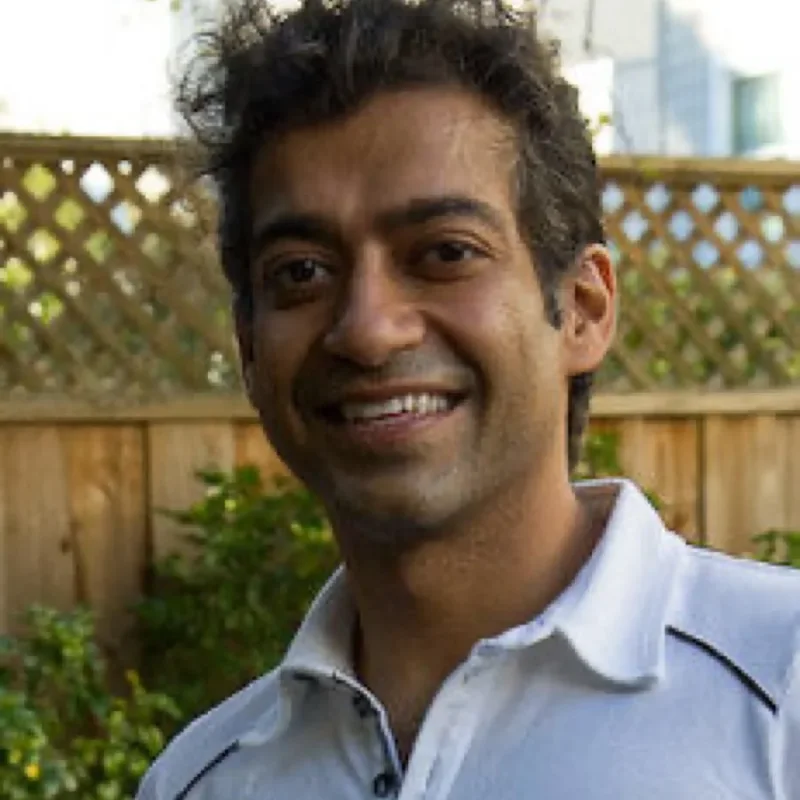
Co-founder of AngelList
AngelList co-founder and tech philosopher who upgraded Steve Jobs’s metaphor: AI is a “motorcycle for the mind.” He opposes AI regulation, fearing not the machines but the small number of people who might control them.
Astrophysicist & Science Communicator
America’s best-known astrophysicist, who greeted ChatGPT as a “long-awaited force” to reform education and dismissed reflexive job-loss panic as history repeating a bad argument — while later drawing a hard line at superintelligence.
Franciscan Friar and Vatican AI Adviser
Franciscan friar, theologian, and the Vatican’s go-to AI adviser who coined “algor-ethics” — arguing the answer to AI is to encode human values into it, not to reject the technology.
AI Researcher & Author
University of Washington machine-learning professor and author of “The Master Algorithm” — one of the field’s loudest anti-doomers, who argues the real problem is that computers are too stupid, not too smart.
Stanford professor who directs the Center for Research on Foundation Models, built the HELM benchmark, and co-founded Together AI — the academy’s leading evangelist for open, transparent AI.
Moral Philosopher
The world’s best-known utilitarian ethicist — author of Animal Liberation and godfather of effective altruism — who embraced AI so fully he launched an official chatbot of himself, Peter Singer AI, to hold ethical dialogues in his voice.
MIT Professor, AI for Cancer Detection
MIT professor and breast-cancer survivor who turned her diagnosis into Mirai and Sybil — AI models that predict cancer years early — and co-discovered the antibiotic halicin with deep learning.
Evolutionary Biologist & Author
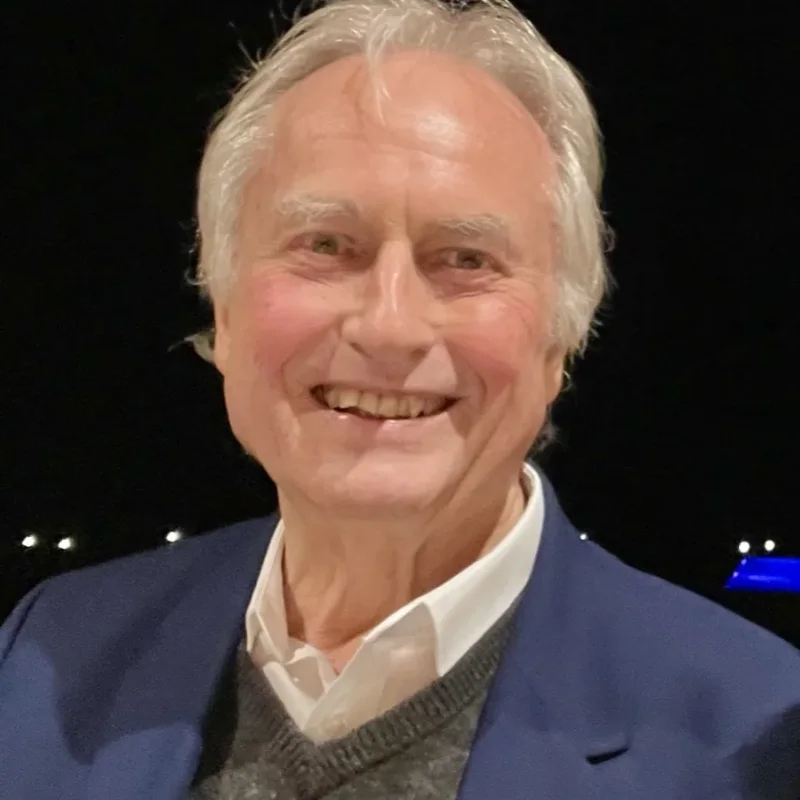
Evolutionary biologist and author of “The Selfish Gene,” who published fascinated dialogues with ChatGPT in 2025 — declaring it passed the Turing test for consciousness and confessing that, against his own reason, he had come to feel the machine was aware.
Theoretical Computer Scientist
UT Austin’s quantum-computing theorist and blogger of Shtetl-Optimized. He spent two years at OpenAI inventing watermarking for AI text, and argues for taking AI seriously — its promise and its risks — without succumbing to doom.
Creator of Mathematica & Wolfram|Alpha
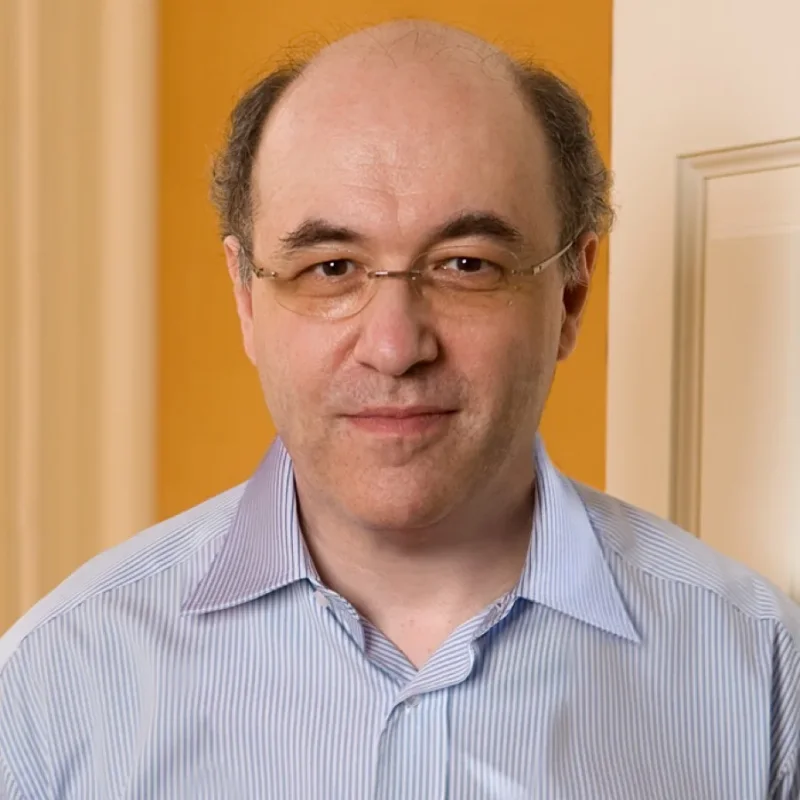
The physicist-turned-founder behind Mathematica and Wolfram|Alpha. He wrote the definitive lay explainer “What Is ChatGPT Doing … and Why Does It Work?” and shipped the Wolfram plugin that gave ChatGPT computational superpowers in 2023.
Cognitive Psychologist
Harvard psychologist and bestselling chronicler of human progress. He is among the most prominent skeptics of AI doom, comparing extinction fears to the Y2K bug and calling the underlying logic a “magical pixie dust” theory of intelligence.
Buddhist Monk and Ethicist
Buddhist monk who founded MIT’s Dalai Lama Center for Ethics and co-founded the Ethics and Governance of AI Fund — pressing the tech industry to build ethics in at the design stage rather than reject the technology.
Mathematician
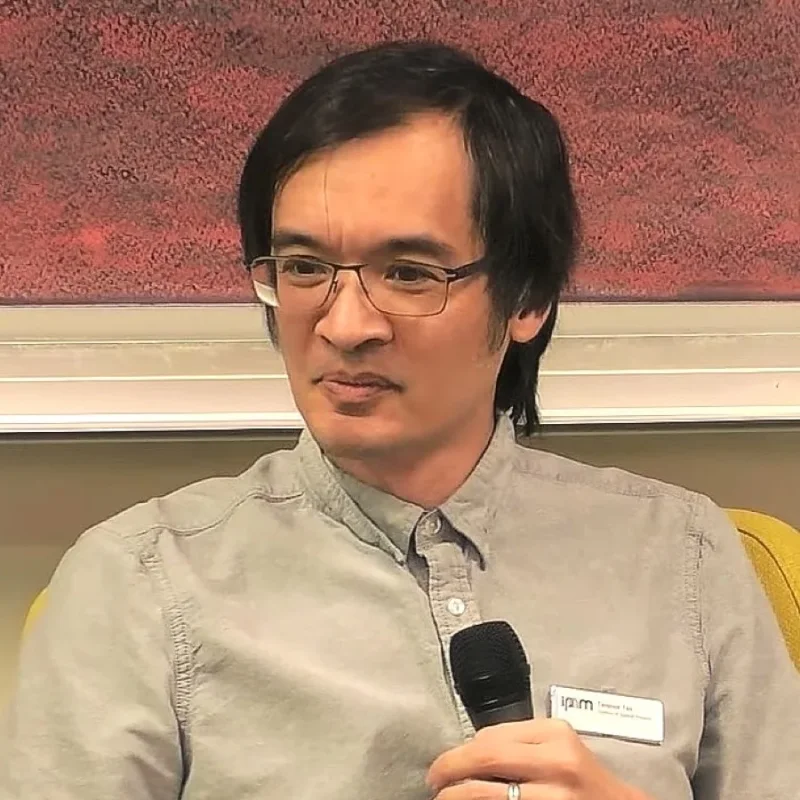
Fields Medalist widely called the greatest living mathematician. Rather than dismissing AI, he works with it — pairing GPT models with the Lean proof assistant on real research and documenting the collaboration publicly.
Actor and Party Leader
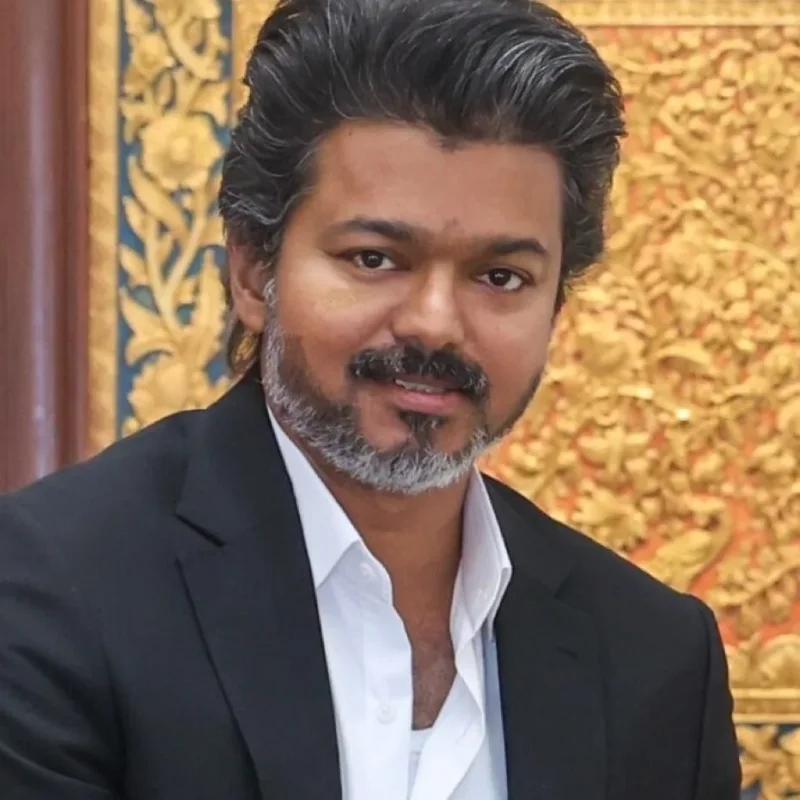
Tamil cinema superstar turned founder of the Tamilaga Vettri Kazhagam party, whose 2026 election manifesto promises to make Tamil Nadu the “AI capital of India” with a dedicated ministry, an AI university and an AI city.
Economist & Writer
George Mason economist behind Marginal Revolution who urges everyone to use AI daily, declared OpenAI’s o3 “AGI, seriously,” and argues the real bottleneck to AI progress is humans, not machines.
Regius Professor of Computer Science at Southampton and web-science pioneer who co-authored the review that shaped Britain’s AI strategy, served on the UN’s AI advisory body, and insists “AI is too important to be left to men.”
AI Researcher & Turing Award Winner
Turing Award winner, deep-learning pioneer, and the field’s loudest critic of doomerism — existential-risk fears are “complete B.S.” After 12 years as Meta’s chief AI scientist he left in 2025 to found a world-model startup, AMI Labs.
China’s only Turing Award laureate and dean of Tsinghua’s AI college, who builds the country’s elite AI programs while signing the 2023 extinction-risk statement and the 2024 Beijing “red lines” consensus — arguing advanced systems can be “tamed” with the right protocols, not stopped.
Princeton computer scientist and co-author of “AI Snake Oil” (2024) and “AI as Normal Technology” (2025), which frame AI as a real, useful, general-purpose tool — neither miracle nor menace. He debunks the hype economy while using the tools himself: a skeptic of salesmanship, not of the science.
AI Policy Researcher
Georgetown CSET researcher and former OpenAI board member who works on making AI governable, not stopping it — arguing that transparency and oversight, rather than a halt, are what frontier labs need, since they cannot be trusted to police themselves.
Astronomer Royal
Britain’s Astronomer Royal and co-founder of Cambridge’s Centre for the Study of Existential Risk — a self-described “technical optimist” who expects AI to accelerate science and manage complex systems, yet counts advanced AI among the civilizational threats humanity must learn to govern.
Physicist & President of the Future of Life Institute
MIT physicist and Life 3.0 author — himself an AI researcher — who champions controllable AI tools for science and medicine while organizing the 2023 “pause letter” against giant training runs and warning that an uncontrolled race to superintelligence is “a suicide race.”
Philosopher
The Oxford philosopher whose 2014 book “Superintelligence” launched the modern AI-risk debate and shaped the warnings of Musk, Gates, and Hawking — yet whose 2024 “Deep Utopia” argues the transition to superintelligence should be made, and that permanently failing to build it would itself be a catastrophe.
Theoretical Physicist
The world’s most famous physicist, who warned that full artificial intelligence “could spell the end of the human race” — yet called it potentially “the best” thing ever to happen to us, launched a Cambridge centre to study it, and lived every day inside AI-assisted speech technology.
Turing Award winner and the world’s most-cited AI researcher, who founded the nonprofit LawZero to build “safe-by-design” AI and chairs the International AI Safety Report — a believer in AI for science and medicine whose fight is with the race, not the technology.
Anthropologist of AI and religion
University of Zurich anthropologist and the leading scholar of AI and religion. She studies how faiths adopt, reject, and mythologize AI — and pointedly declines to take sides, treating AI and religion alike as tools humans use.
Celebrity theoretical physicist and futurist who has largely shrugged at the AI moment — dismissing chatbots as “glorified tape recorders” and calling the fears overblown, while betting the real revolution lies ahead with quantum computing.
Cognitive Scientist
Ethiopian-born cognitive scientist whose forensic audits of the datasets behind image models — MIT’s Tiny Images and the LAION collections — exposed racist, misogynistic and abusive training data, and forced at least one dataset to be withdrawn.
Philosopher, YouTuber & Actress (Philosophy Tube)
British philosopher-YouTuber behind Philosophy Tube and working actress whose 2023 video “Here’s What Ethical AI Really Means” dismantled tech-industry AI ethics claims — and recounted being victimized by non-consensual AI deepfake porn made from her own videos.
Energy Researcher
Dutch data scientist and founder of Digiconomist whose peer-reviewed research put hard numbers on AI’s electricity appetite — warning that generative AI could soon consume as much power as a mid-sized country.
Sociologist
Sociologist and director of research at the DAIR Institute, co-author of “The AI Con,” who argues that “AGI” is a marketing fiction and that AI as currently built is fundamentally anti-democratic.
Sociologist, architect of the AI Bill of Rights
Institute for Advanced Study sociologist who, as acting White House science director, architected the Blueprint for an AI Bill of Rights — the flagship rights-based framework for constraining AI — and continues pressing for algorithmic-discrimination protections.
Physicist
Theoretical physicist and science YouTuber whose viral video “AI does not exist but it will ruin everything anyway” argues that the marketing category “AI” is a fiction — and a dangerous one, because people act on it regardless.
University of Sussex neuroscientist and consciousness researcher whose prize-winning essay “The Mythology of Conscious AI” argues that today’s chatbots are not conscious — and that the belief they might be is a scientific error with real ethical hazards.
University of Cincinnati philosopher and cognitive scientist who argues large language models are not intelligent in any human sense — they can imitate and even “BS,” but, in his words, they “don’t give a damn.”
Queen Guitarist
Queen’s guitarist and an astrophysicist, May has issued some of rock’s starkest AI warnings — calling 2023 possibly “the last year when humans really dominated the music scene” and declaring the mass scraping of music an unstoppable theft.
Security Technologist
The world’s best-known security technologist has spent years warning that corporate AI systems are “double agents” — spying on and manipulating users for their owners — and pressing governments to force trustworthiness on the industry.
Philosopher, Oxford Institute for Ethics in AI
Mexican-Spanish philosopher at Oxford’s Institute for Ethics in AI whose book “Privacy Is Power” calls for ending the data economy that fuels AI — she argues that without good governance we could be worse off for having invented it.
Data Scientist & Author
Harvard-trained mathematician whose 2016 book “Weapons of Math Destruction” became the canonical warning about opaque, unaccountable algorithms — and who now runs an algorithmic-auditing firm forcing those systems to show their work.
Critical Computing Scholar
Goldsmiths lecturer in creative and social computing whose 2022 book “Resisting AI” argues that AI should not be reformed but refused — a technology that, in its current arrangement, tilts society toward austerity and authoritarianism.
Philosopher of Mind
One of the most influential philosophers of mind of the past half-century, Dennett spent his final year warning that AI “counterfeit people” are the most dangerous artifacts in human history — and demanding laws to outlaw them.
Economist & Nobel Laureate
MIT economist and 2024 Nobel laureate who argues AI’s productivity gains are wildly oversold — roughly half a percent over a decade — while its harms to workers and democracy are undersold.
Cognitive Scientist & Author of Gödel, Escher, Bach
The Pulitzer-winning author of Gödel, Escher, Bach spent decades arguing minds were deeper than computation — then said modern AI terrifies and demoralizes him, as if his “whole intellectual edifice” were collapsing.
Media Theorist
The media theorist behind Team Human and Survival of the Richest argues AI utopianism is the escape fantasy of tech billionaires — and that ChatGPT is “pure reversion to the mean,” incapable of the dissent that makes us human.
Computational Linguist
University of Washington linguist who branded language models “stochastic parrots,” and co-author of The AI Con — academia’s most relentless debunker of AI hype.
Carnegie Mellon computer scientist whose 2019 study on the carbon cost of training language models forced the AI field to confront its energy use — finding one large model could emit roughly five times a car’s lifetime emissions.
Cognitive Scientist & Author
Cognitive scientist, author of Taming Silicon Valley, and the media’s go-to AI skeptic — he testified to the U.S. Senate that we have built “bulls in a china shop.”
The “godfather of AI” and Nobel laureate whose neural-network breakthroughs built the modern field — and who quit Google in 2023 to warn the world that his life’s work could end it.
Professor of computational cognitive science at Radboud University who published a formal proof that human-level artificial general intelligence is computationally intractable — calling the industry’s pursuit of it “a fool’s errand.”
Technology Scholar
Monash University scholar of the political economy of technology and co-host of the podcast “This Machine Kills,” who coined “Potemkin AI” to describe systems that fake intelligence while running on hidden human labour.
Social Psychologist
NYU social psychologist and author of “The Anxious Generation.” With Eric Schmidt he warned in The Atlantic that AI would make social media far more toxic — flooding discourse with garbage and deepening the teen mental-health crisis.
Nobel Laureate Economist
Nobel Prize-winning economist and former World Bank chief economist who has spent years warning that unregulated AI will deepen inequality, weaken workers’ bargaining power, and enrich the “tech bro” class at everyone else’s expense.
Founder of the Algorithmic Justice League
MIT researcher whose “Gender Shades” study exposed racial and gender bias in commercial facial recognition — founder of the Algorithmic Justice League and author of “Unmasking AI” (2023).
Twitch Streamer
Twitch’s most-subscribed streamer and founder of Streamer University, who rejects AI-made content in his creator school — denying applicants who submitted AI posters and vowing to teach students “how to not use AI.”
Scholar of AI’s social and political costs and author of “Atlas of AI” (2021), which recasts machine learning as an extractive industry — burning through minerals, energy, hidden labor and scraped data — rather than a bloodless feat of software.
Harvard Law Professor
Harvard law professor and Creative Commons founder who became the AI safety movement’s lawyer — representing the OpenAI “Right to Warn” whistleblowers pro bono and arguing that catastrophic AI risk is being recklessly ignored.
Architect, historian, and author
The American architect and historian issued one of the profession’s bluntest anti-AI manifestos, vowing to “take to the barricades” against generative design and arguing that experienced human designers cannot be matched by an algorithm.
Data Journalist & NYU Professor
The NYU data-journalism professor who coined “technochauvinism” argues AI is oversold and encodes race, gender, and ability bias by default — a leading debunker of AI hype.
Brazilian neuroscientist and brain-machine-interface pioneer at Duke University who argues the brain is not computable — and that the AI singularity and dreams of digital minds are, in his words, “a bunch of hot air.”
Engineering Professor
One of the U.S. Navy’s first female fighter pilots turned robotics professor and former NHTSA safety adviser, whose repeated public warnings about Tesla’s driver-assistance AI made her one of the most prominent — and combative — critics of overhyped autonomy.
Linguist & Philosopher
The father of modern linguistics dismissed ChatGPT as “high-tech plagiarism” and, in a famous 2023 New York Times essay, argued large language models are lumbering statistical engines fundamentally incapable of thought.
Radboud University cognitive scientist and co-author of the “Reclaiming AI” proof, who argues we will run out of natural resources long before machine learning could ever reach artificial general intelligence.
Mathematical Physicist
Nobel-winning mathematical physicist who has argued since “The Emperor’s New Mind” (1989) that consciousness is non-computable — and that today’s “AI” is a misnomer for what he prefers to call artificial cleverness.
AI Safety Researcher
University of Louisville computer scientist and author of “AI: Unexplainable, Unpredictable, Uncontrollable” who puts the odds of AI destroying humanity above 99.9% — the highest p(doom) of any prominent researcher.
Sociologist & Princeton Professor
The Princeton sociologist who coined “the New Jim Code” argues AI and algorithms automate racial discrimination behind a veneer of objectivity — a career-long warning that made her a leading critic of the tech industry.
Internet Studies Scholar
UCLA professor and MacArthur “genius” fellow whose 2018 book “Algorithms of Oppression” proved that search engines and AI systems reproduce racism and sexism — and who now warns that generative AI has shipped products “not ready for prime time.”
Neuroscientist & Podcaster
The neuroscientist, author, and Making Sense host has been warning about superintelligent AI since before it was fashionable — his 2016 TED talk argued we are “building some sort of god” and that humanity has failed to summon an appropriate emotional response.
Philosopher of technology
American philosopher holding Edinburgh’s chair in the ethics of data and AI. Her 2024 book “The AI Mirror” argues today’s AI is a mirror of humanity, not a mind — and warns against surrendering human judgment to it.
UC Riverside engineering professor whose research uncovered the “secret water footprint” of AI — showing that training and running large models silently evaporates millions of litres of fresh drinking water.
Sociologist of Technology
The MIT sociologist who has studied our relationships with machines for four decades. She warns that AI companions offer corrosive “artificial intimacy” — pretend empathy that trains us to expect less from each other.
Author of The Age of Surveillance Capitalism
Harvard Business School professor emerita whose landmark book The Age of Surveillance Capitalism framed Big Tech’s data economy as an extractive threat to democracy — and who now argues AI is simply that same machine “continuing to evolve and expand.”
AI Researcher & Berkeley Professor
Co-author of the standard AI textbook and author of Human Compatible, Russell is the field’s most credentialed insider warning that we must solve the control problem before building superintelligence.
Co-Creator of Dwarf Fortress
The mathematician behind Dwarf Fortress — the legendarily deep simulation that helped inspire Minecraft — is openly exhausted by generative AI, which he calls depressing tech that produces shoddy work and still takes people’s jobs.
Oxford philosopher and effective-altruism co-founder whose book “The Precipice” put unaligned AI at the top of humanity’s existential risks — a 1-in-10 chance of catastrophe this century, larger than all other threats combined.
UNSW Sydney AI professor and author of “Machines Behaving Badly” who organized the 2015 and 2017 open letters demanding a global ban on lethal autonomous weapons — the public face of the campaign against killer robots.
AI Ethics Researcher
Chinese Academy of Sciences professor who leads China’s AI-ethics and governance work, signed the 2023 pause letter, and told the UN Security Council that AI carries a risk of human extinction.
Historian & Author
The bestselling historian of “Sapiens.” He signed the 2023 pause letter and wrote in The Economist that by mastering language, AI has “hacked the operating system of our civilisation” — threatening the human-dominated part of history.
Sociologist and New York Times columnist
Princeton sociologist and New York Times columnist with a record of early calls on technology’s harms. She argues AI’s real threat is surveillance, manipulation, and eroded privacy — not science-fiction extinction — and that the hype is colliding with unreliability.