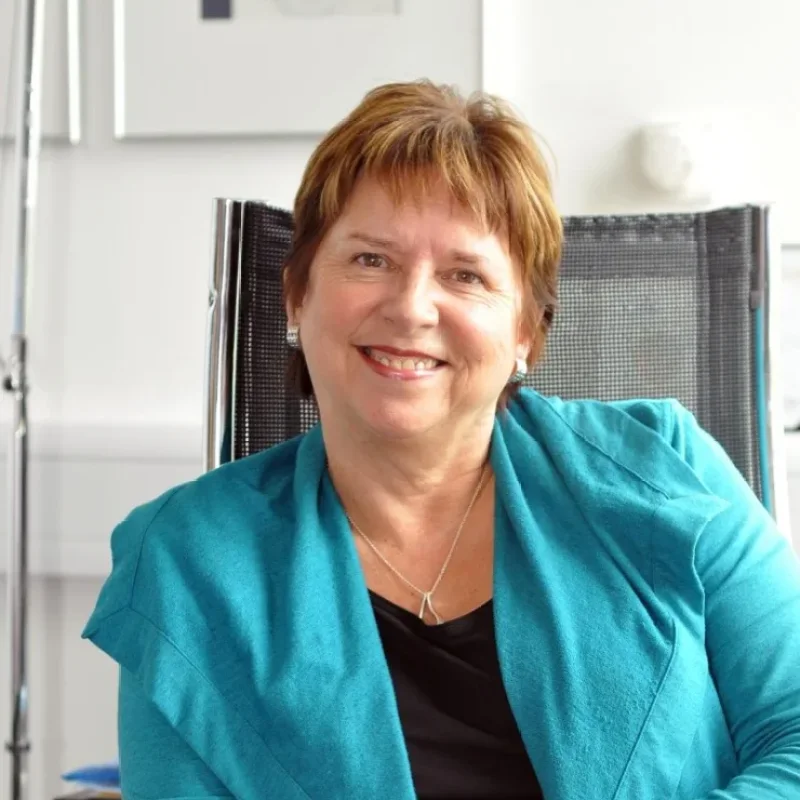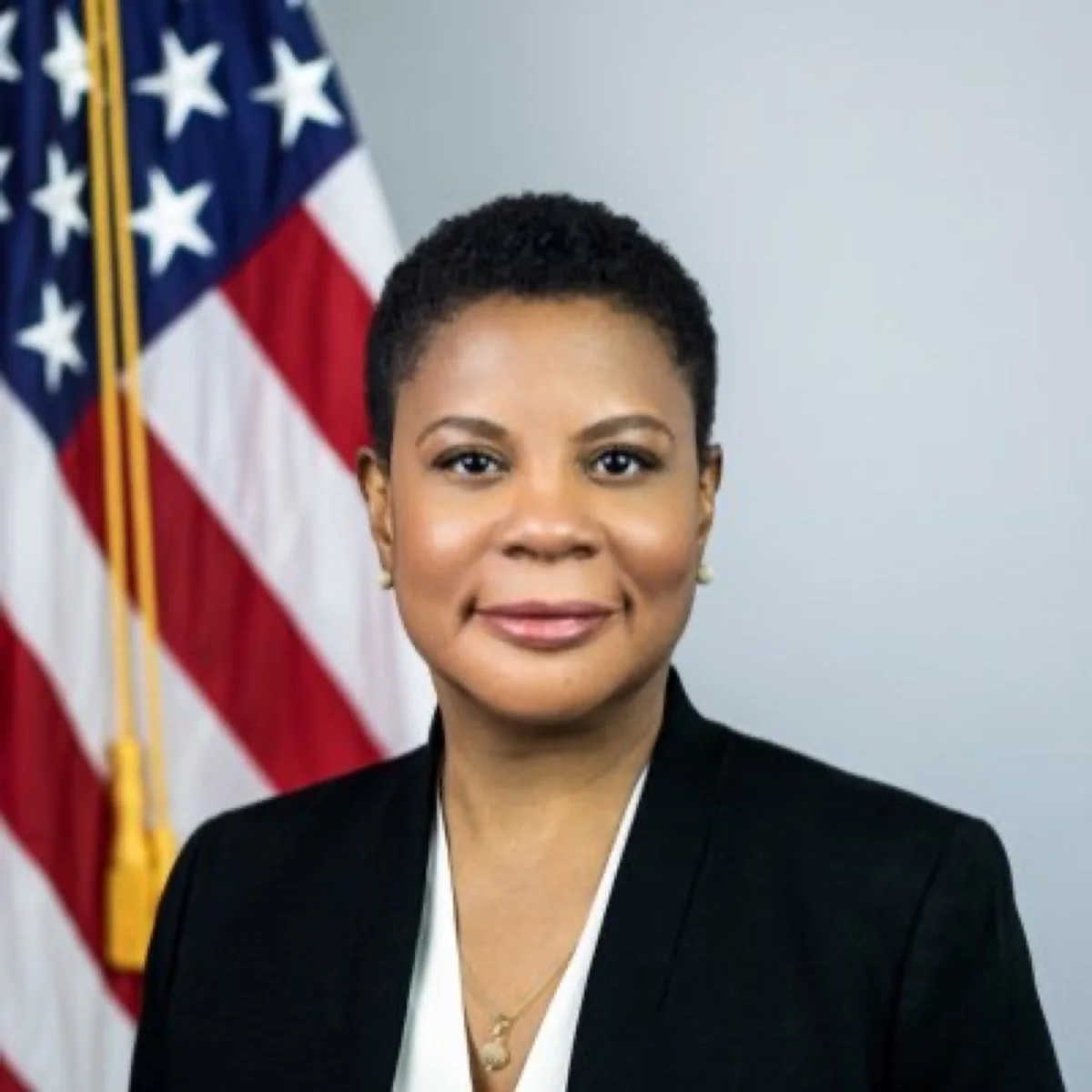
Alondra Nelson
Sociologist, architect of the AI Bill of Rights
Institute for Advanced Study sociologist who, as acting White House science director, architected the Blueprint for an AI Bill of Rights — the flagship rights-based framework for constraining AI — and continues pressing for algorithmic-discrimination protections.
Why this score
How the formula works →- 30%nuancedHolds a documented two-sided view
- 25%nuancedCampaigns for AI safety rules
- 25%nuancedSupports AI only with conditions
- 15%anti3 anti-AI statements (forceful)
- 5%pro1 pro-AI statement (mild)
Evidence splits 5% pro, 15% anti, 80% direction-free → Nuanced
In her words
Let’s be clear: in too many cases, the uses of AI systems are not advancing American values. They heighten discrimination and produce unequal outcomes. They threaten both individual and national security.
Biography
Alondra Nelson (born 1968) is an American sociologist who holds the Harold F. Linder Chair at the Institute for Advanced Study in Princeton. A scholar of science, technology, and social inequality — her books include “The Social Life of DNA” — she was the first African American woman tenured in Columbia’s sociology department before joining the Biden administration in 2021 as the Office of Science and Technology Policy’s principal deputy director, then serving as OSTP’s acting director from February to October 2022, the first Black woman to lead the office.
The AI Bill of Rights
In October 2022, Nelson unveiled the White House “Blueprint for an AI Bill of Rights,” the flagship rights-based framework for governing automated systems in the United States. Its five principles — safe and effective systems, algorithmic-discrimination protections, data privacy, notice and explanation, and human alternatives — shaped Joe Biden’s sweeping 2023 executive order on AI. She was named to the TIME100 AI list in 2023 and appointed that October to the UN Secretary-General’s High-Level Advisory Body on AI.
Nelson’s public interventions since have been consistent warnings about deployed AI’s harms. In testimony for the Senate’s 2023 AI Insight Forum she catalogued systems that “displaced workers, spread misinformation and libel, led to wrongful incarceration of mothers and fathers, denied mortgage loans to those seeking the American dream, and threatened elections at shocking speeds.” In Foreign Affairs she argued regulators should return to first principles like those in the AI Bill of Rights rather than wait for AI-specific statutes, and in a January 2026 Science article she pushed back on the deregulatory turn, warning that research on algorithmic discrimination was being reframed as political bias rather than empirical inquiry.
Nelson is no abolitionist — she speaks of AI’s promise for medicine, climate, and science, and her posture is that governance done right can secure it. But her signature work is a framework of constraints, and her sustained message is that today’s AI, as actually used, is failing the public.
Quote sources
- Senate AI Insight Forum, 2023(schumer.senate.gov)
Sources & further reading
Canonical record: https://battlelines.ai/topic/alondra-nelson