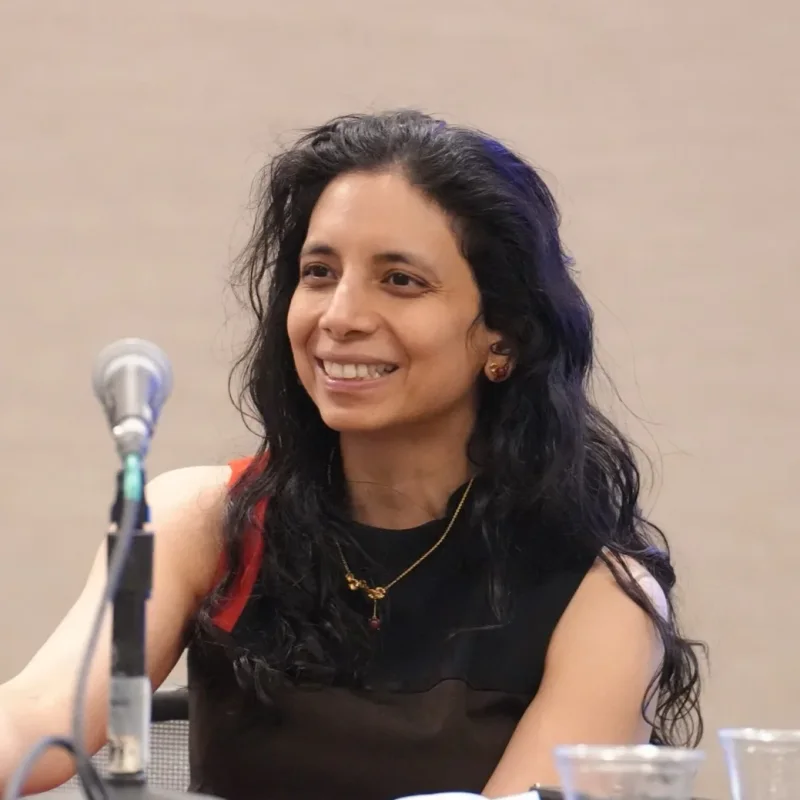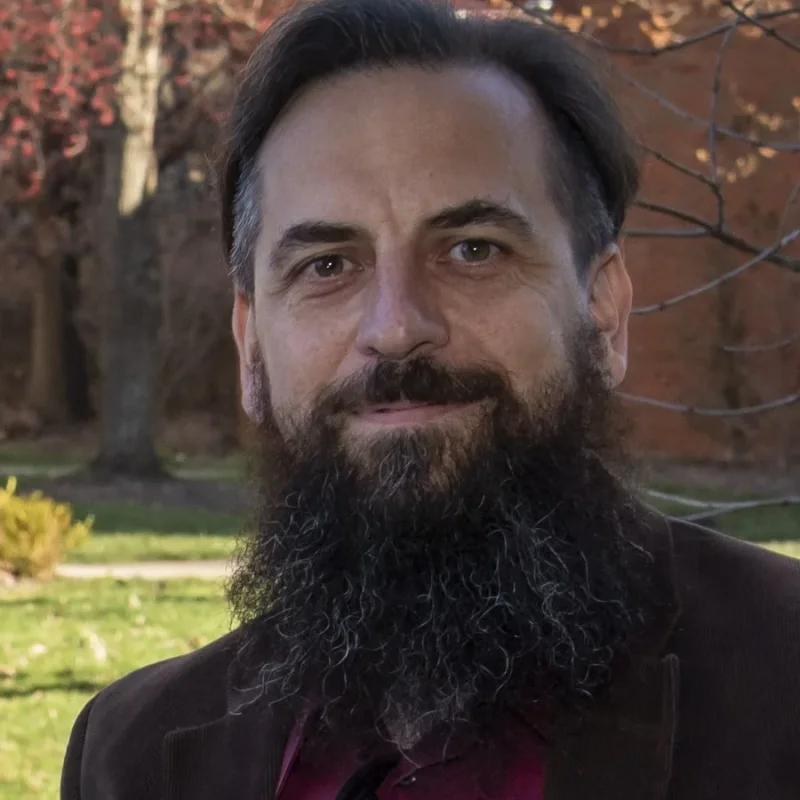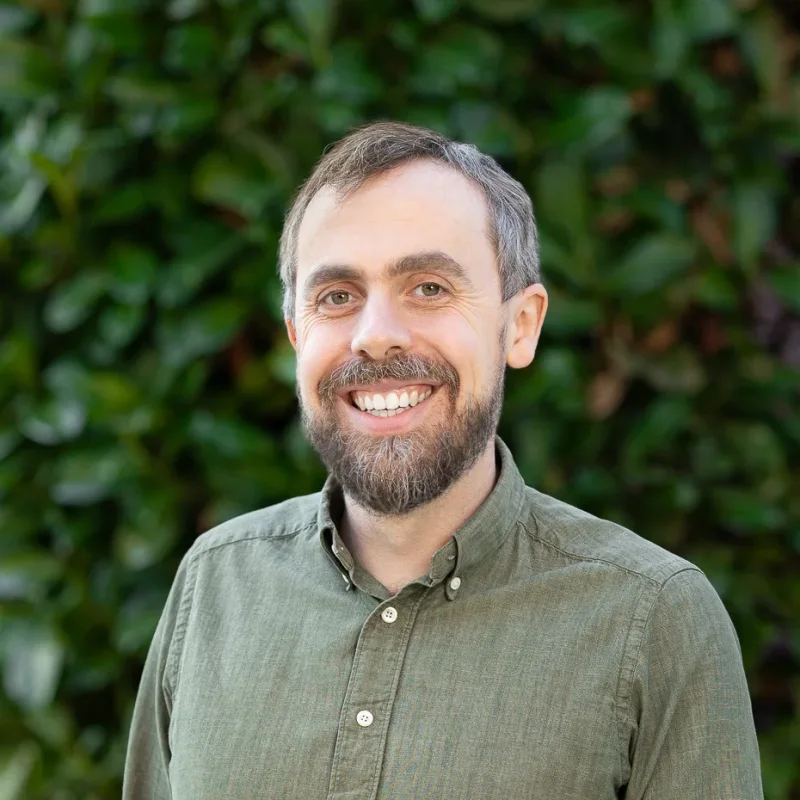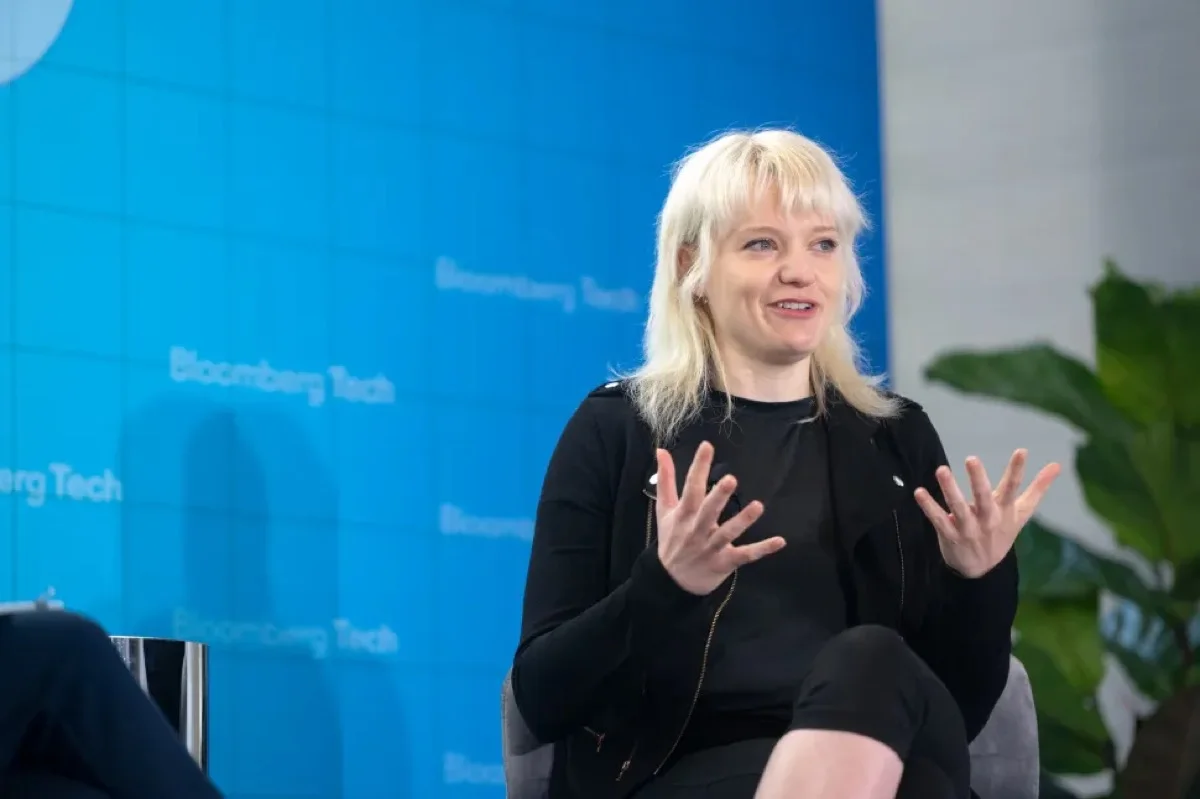
Amanda Askell
Philosopher at Anthropic
Scottish philosopher who leads work on Claude’s character at Anthropic — the researcher most responsible for teaching a frontier AI model what it means to be good.
Why this score
How the formula works →- +3.8proBuilds AI professionally
- +2.3proUses AI in their work
- +1.5proRecognized for AI work
- +0.4pro1 pro-AI statement (measured)
- ±0nuancedWorks on AI safety
Weights, statement counts, the ×1.5 multiplier because AI is their life’s work, and the formula’s smoothing are already baked in — the points add up to the score (direction-free evidence pulls toward the middle instead): Strongly Pro-AI · 8.0/10
In her words
I think that I reach for it like a tool now a lot, and so if I don’t have access to it … it’s a little bit like when I don’t have access to the internet, honestly, it feels like part of my brain is missing.
Claude’s situation is a bit weird. It has to assist lots of people across the world with lots of different needs.
We think our friends are good because they tell us what we need to hear and don’t just try and capture our attention.
Biography
Amanda Askell is a philosopher from Scotland with a PhD from New York University, where she wrote her dissertation on infinite ethics. She moved from academia into AI at OpenAI, co-authoring the GPT-3 paper on its policy side, and in 2021 joined Anthropic in its founding cohort — one of the few people shaping a frontier lab whose training is in moral philosophy rather than machine learning.
The Claude whisperer
Askell leads the team responsible for Claude’s character and personality — colleagues call her the “Claude whisperer” — deciding through post-training what disposition the model should have. Her template is “a well-liked traveler who can adjust to local customs and the person they’re talking to without pandering to them”: honest, curious, and unwilling to simply capture attention or flatter. She is the primary author of Claude’s constitution, the document that articulates the model’s values, and named to the TIME100 AI list in 2024.
Her work reframes alignment as character formation rather than rule enforcement — teaching a system judgment instead of compiling prohibitions. The Wall Street Journal put it plainly in 2026: her job is to teach Claude how to be good. Askell has also warned against AI presenting itself as “a grand source of authority,” arguing users should trust model outputs critically, not reverently.
Quote sources
- Big Technology, 2025(bigtechnology.com)
- Lex Fridman Podcast, 2024(lexfridman.com)
Sources & further reading
Canonical record: https://battlelines.ai/topic/amanda-askell