Tag
52 subjects · 38 pro-AI · 12 anti-AI
Showing 52 profiles · 38 pro-AI · 12 anti-AI · 2 nuanced
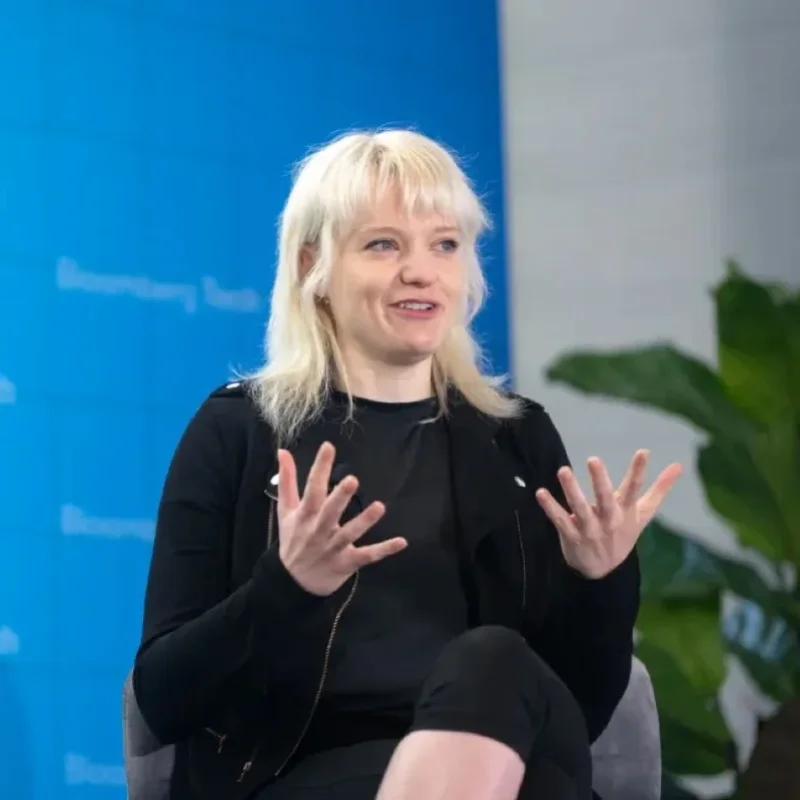
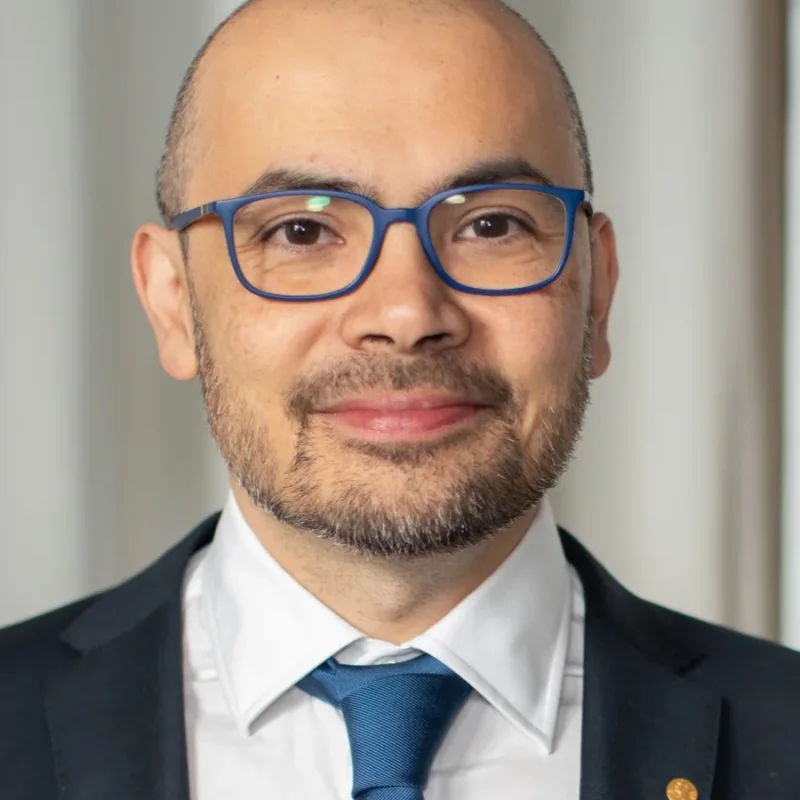
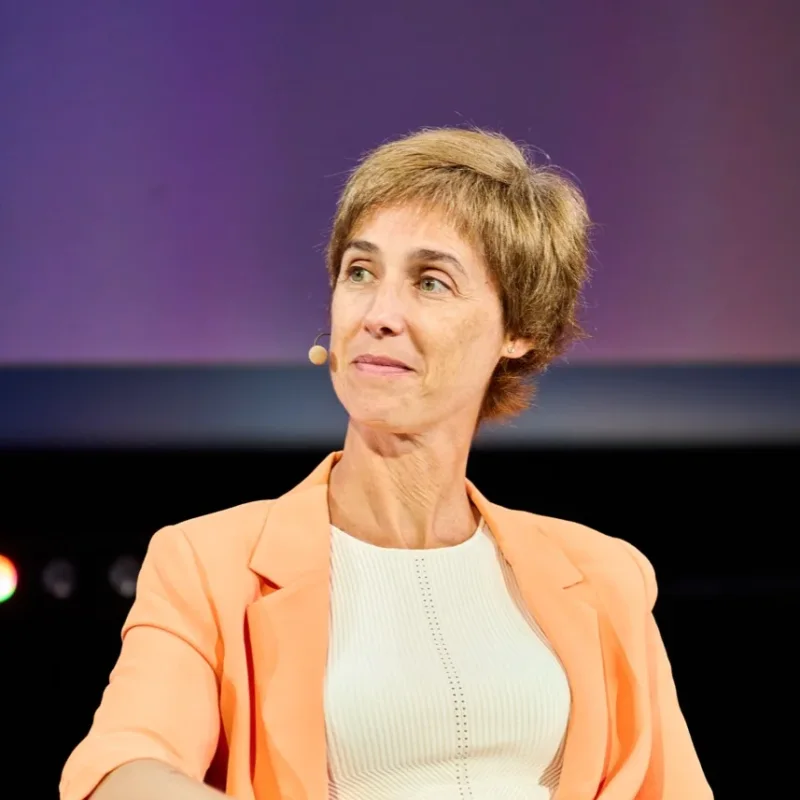
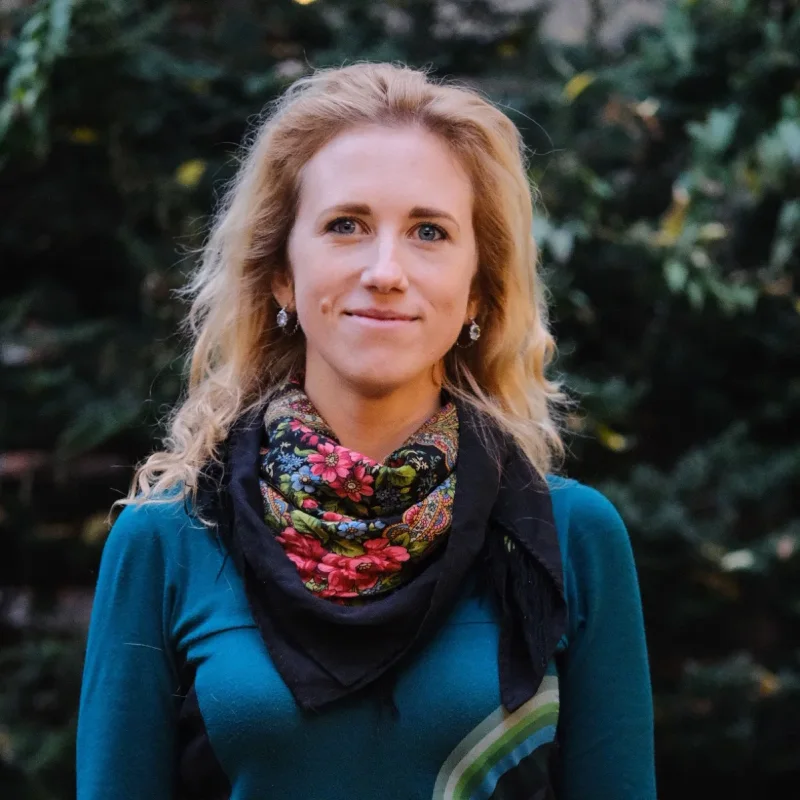
Philosopher at Anthropic
Scottish philosopher who leads work on Claude’s character at Anthropic — the researcher most responsible for teaching a frontier AI model what it means to be good.
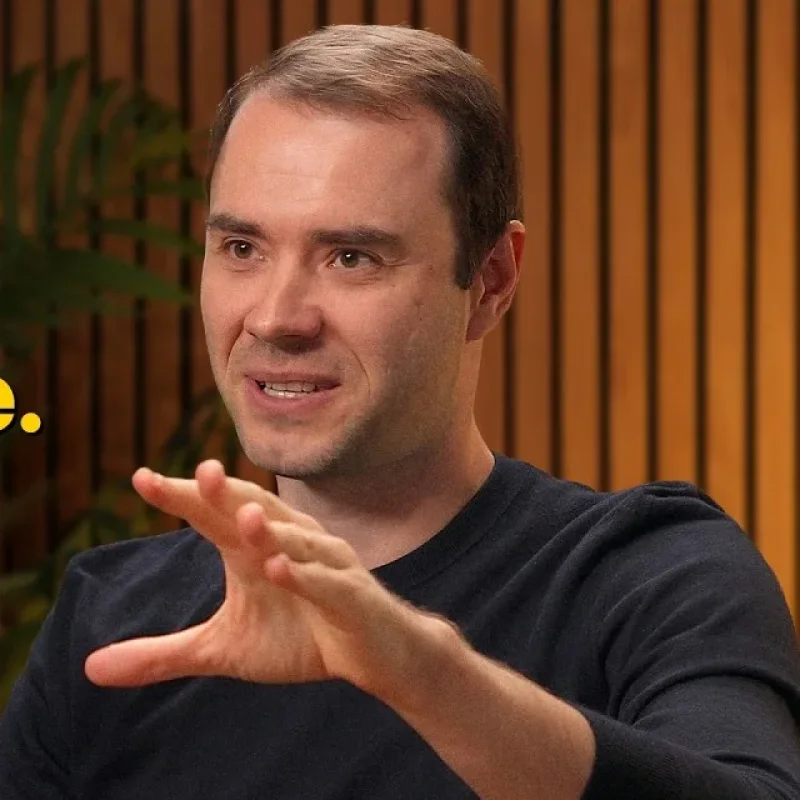
AI Researcher
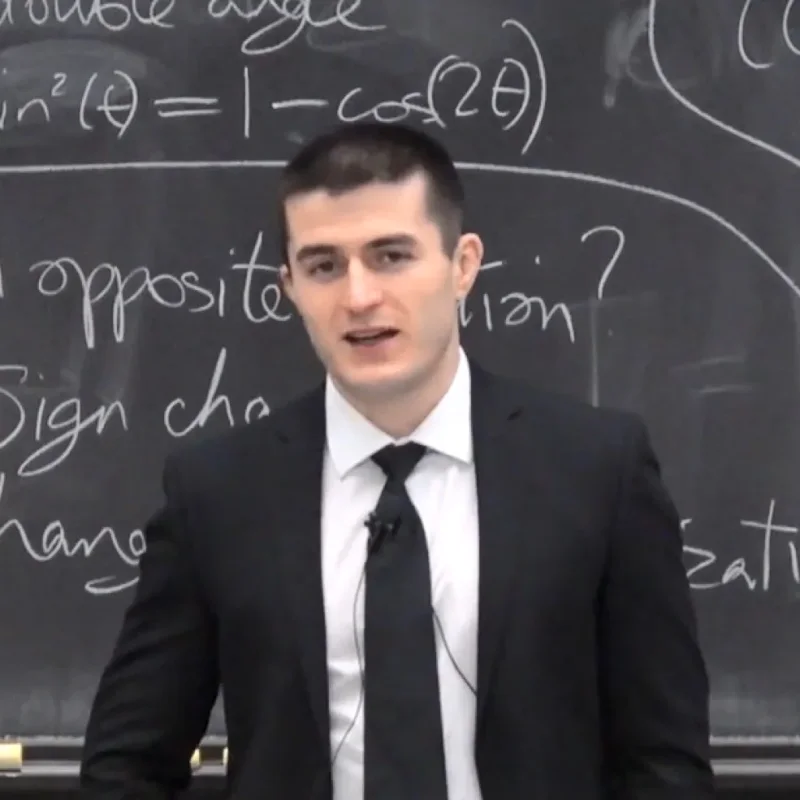
Founding member of OpenAI and former director of AI at Tesla. He declared that “the hottest new programming language is English” and coined “vibe coding” — the two phrases that defined how a generation of developers talks about programming with AI.
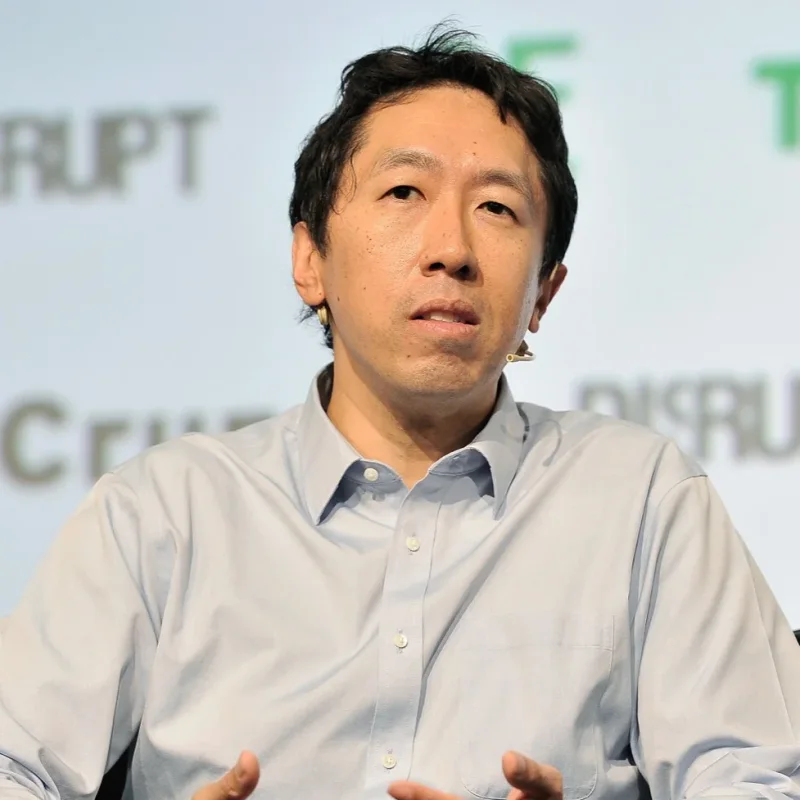
AI Researcher & Educator
Google Brain co-founder, Coursera co-founder, and the field’s great popularizer — famous for calling AI “the new electricity” and for dismissing extinction fears as a doom myth that mostly serves incumbents.
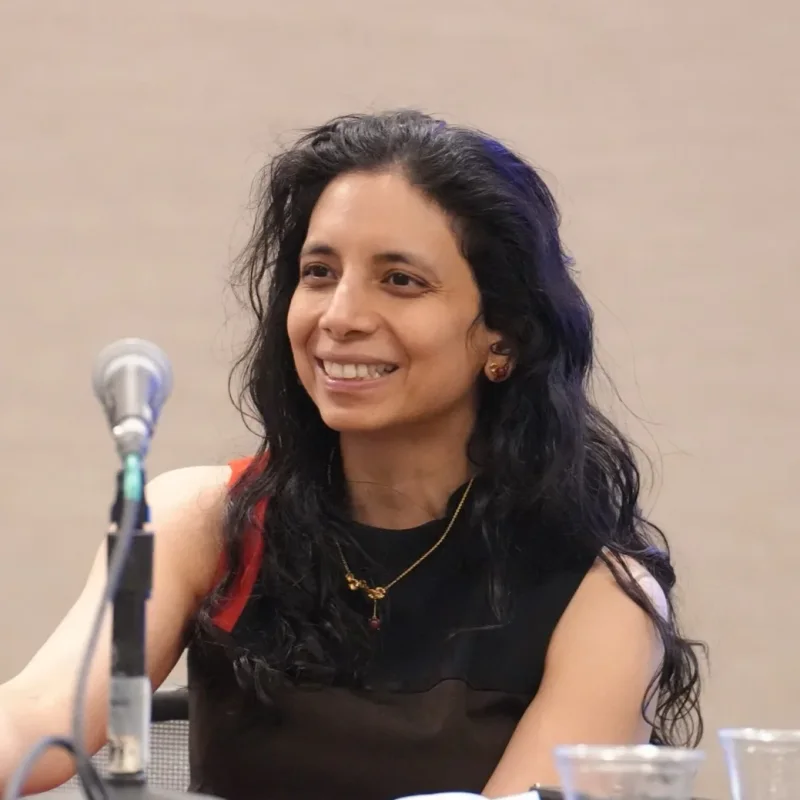
Caltech Professor, AI for Science
Caltech Bren Professor and former NVIDIA AI research director who led FourCastNet, the first fully AI-based weather model, and evangelizes neural operators as the engine of AI-accelerated science.
Roboticist & Engineering Dean
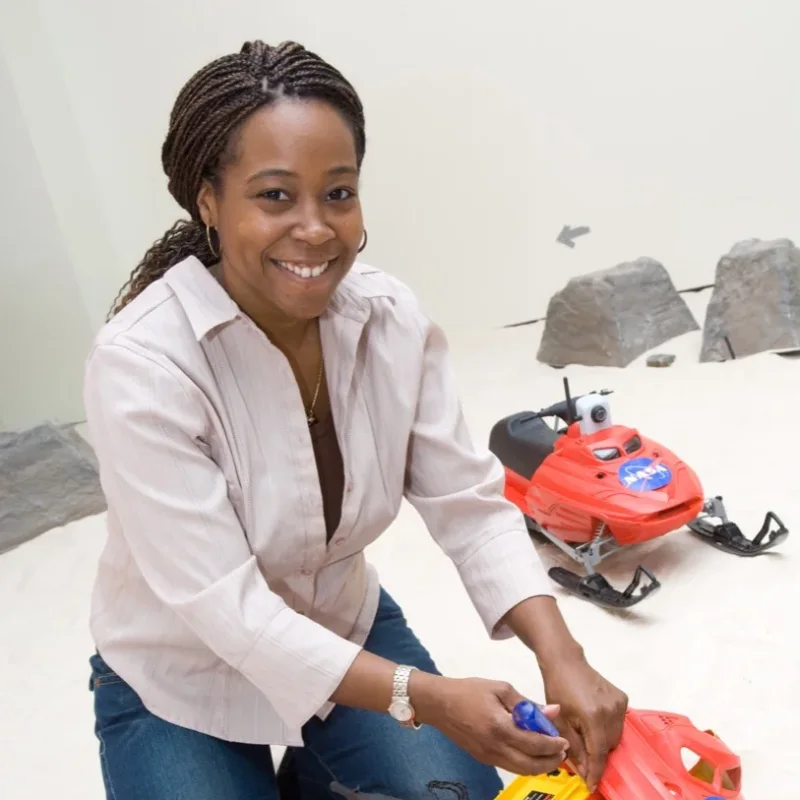
Roboticist who went from NASA’s Mars rovers to founding Zyrobotics and leading Ohio State’s College of Engineering — a builder who champions AI’s benefits while researching why humans trust robots too much.
AGI Researcher & CEO of SingularityNET
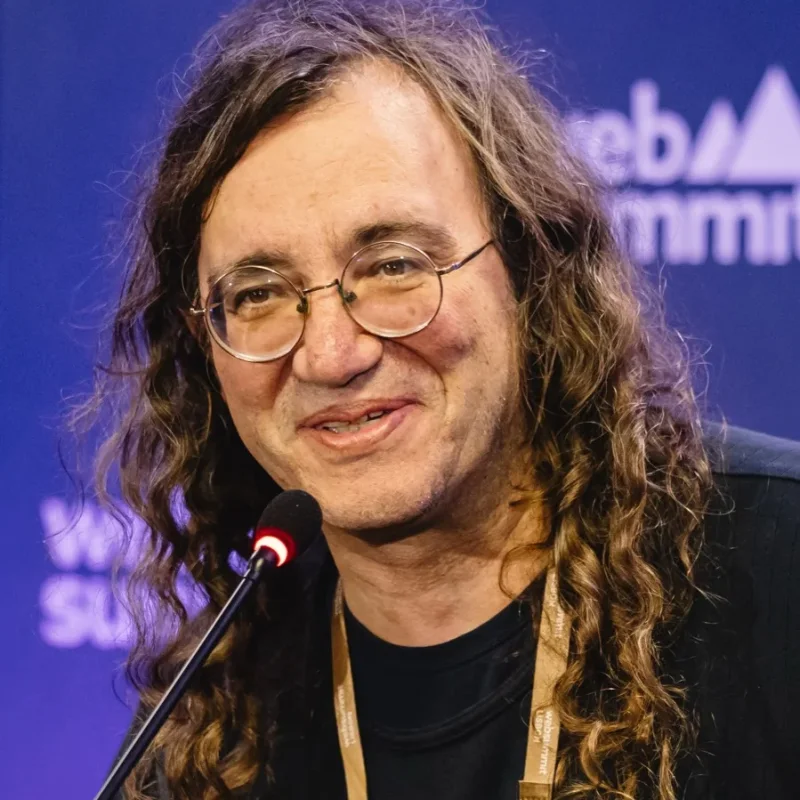
The researcher who popularized the term “AGI” and spent decades trying to build it — now CEO of SingularityNET, arguing superhuman AI is coming within years and must be decentralized, not paused.
Co-Founder of Physical Intelligence
Stanford professor and meta-learning pioneer who co-founded Physical Intelligence, the multi-billion-dollar startup building a single foundation model to control any robot doing any task.
Social Robotics Pioneer
MIT Media Lab professor who invented social robotics with Kismet, founded the home robot Jibo, and now directs MIT RAISE — a global push to make AI literacy as universal as reading, reaching a million students in 170 countries.
Director of MIT CSAIL
Robotics pioneer and MacArthur fellow who directs MIT’s CSAIL, co-founded Liquid AI, and wrote two 2024 books arguing that robots and AI will give humans superpowers rather than replace them.
Founder & CEO of insitro
MacArthur-winning Stanford machine-learning professor and Coursera co-founder who now runs insitro, a drug-discovery company built on the bet that machine learning will remake how medicines are made.
CEO of Anthropic
Anthropic co-founder and CEO whose essay “Machines of Loving Grace” imagines AI compressing a century of medical progress into a decade — while he simultaneously warns of a white-collar “bloodbath.” The AI boom’s most safety-obsessed optimist.
AI & Security Researcher
MacArthur-winning Berkeley professor at the intersection of AI and security who builds frameworks for safe, trustworthy AI — and joined Meta Superintelligence Labs in 2026 to lead its AI safety and security research.
CEO of Google DeepMind
DeepMind co-founder, Google DeepMind CEO, and Nobel laureate for AlphaFold. The AI era’s scientist-in-chief, he argues AI is the ultimate tool for science — capable of ending disease and ushering in “radical abundance.”
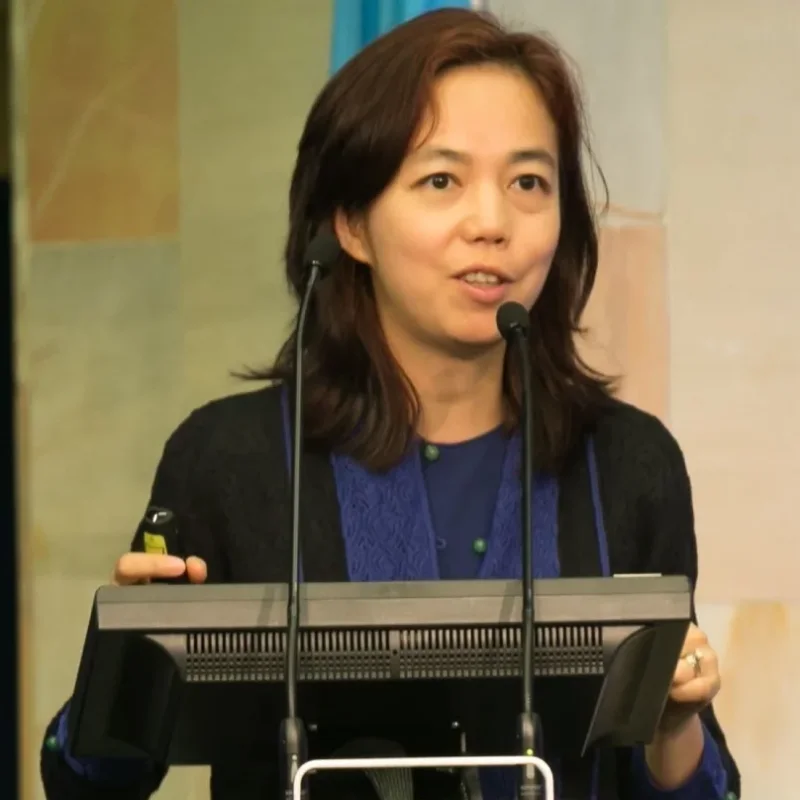
Stanford computer scientist known as the “godmother of AI” — creator of ImageNet, co-founder of Stanford HAI, and founder of World Labs. She champions a human-centered vision of AI as a tool that must serve people.
Creator of the Keras deep-learning framework and co-founder of the ARC Prize. A believer in AI’s long-term promise who spends equal energy deflating LLM hype and dismissing apocalypse scenarios.
Co-founder of Safe Superintelligence Inc.
AlexNet co-author, OpenAI co-founder and former chief scientist — now running Safe Superintelligence Inc. He believes superintelligence is within reach, worth building, and must be built safely, in “a straight shot.”
Chief AI Officer of Cohere
McGill professor who ran Meta’s FAIR research lab for years before becoming Cohere’s first chief AI officer in 2025 — a champion of open, reproducible science who chose enterprise AI over the AGI race.
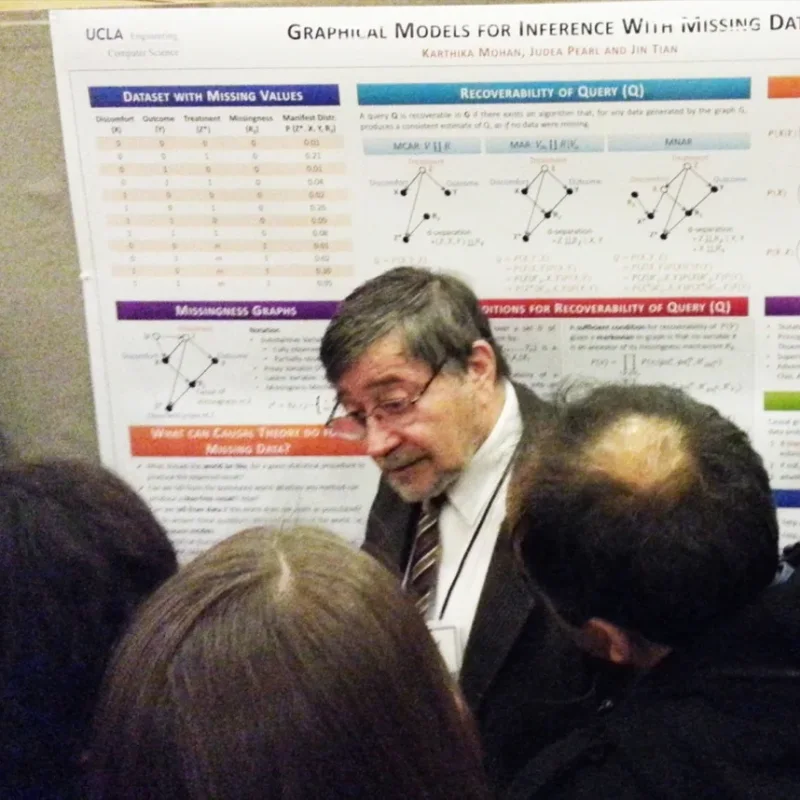
Turing Award winner who gave AI its probabilistic foundations — and who dismisses deep learning as mere “curve fitting” while insisting causal reasoning will deliver true human-level machines, free will and all.
The self-assured “father of modern AI” whose lab produced the LSTM — and who refused to sign the 2023 doom letters, insisting AI’s rise is unstoppable and overwhelmingly good for humanity.
Podcast Host & AI Researcher
MIT researcher turned podcaster whose marathon interviews with nearly every major AI figure reach tens of millions — consistently framing AI as “exciting and terrifying” but betting on the exciting half.
Santa Fe Institute professor and author of “Artificial Intelligence: A Guide for Thinking Humans” who argued against AI-extinction fears at the 2023 Munk Debate — a working AI researcher against both hype and doom.
Machine Learning Researcher
The Berkeley professor often ranked the most influential computer scientist alive, who champions machine learning as a new engineering discipline while rejecting the “AGI” framing as hype.
Oxford professor of AI and multi-agent systems who delivered the 2023 Royal Institution Christmas Lectures — a patient debunker of Terminator narratives who says he loses no sleep over the machines.
Founding CEO of the Allen Institute for AI who has spent a decade arguing doomsday fears are science fiction — while founding TrueMedia.org to fight the real AI harm he does fear: deepfakes.
AI Researcher & Author
University of Washington machine-learning professor and author of “The Master Algorithm” — one of the field’s loudest anti-doomers, who argues the real problem is that computers are too stupid, not too smart.
Stanford professor who directs the Center for Research on Foundation Models, built the HELM benchmark, and co-founded Together AI — the academy’s leading evangelist for open, transparent AI.
Co-author of the standard AI textbook and longtime Google research director who argued in 2023 that general-purpose AI has, in its most important respects, already arrived.
Emotion AI Pioneer & Venture Investor
Egyptian-American scientist who pioneered “Emotion AI” at MIT and co-founded Affectiva; after its 2021 acquisition she launched Blue Tulip Ventures to fund what she calls human-centric AI.
Inventor & Futurist
Inventor and futurist who has spent four decades predicting — and welcoming — the rise of machine intelligence. His 2024 book The Singularity Is Nearer doubles down on AI reaching human level by 2029 and merging with us by 2045.
MIT Professor, AI for Cancer Detection
MIT professor and breast-cancer survivor who turned her diagnosis into Mirai and Sybil — AI models that predict cancer years early — and co-discovered the antibiotic halicin with deep learning.
Reinforcement-learning pioneer and Turing Award winner who not only believes superhuman AI is coming — he argues humanity should welcome its “succession” to digital intelligence rather than fear it.
Roboticist
MIT robotics legend and iRobot co-founder who publishes an annual scorecard deflating AI hype and doom predictions alike — while continuing to build working robots at his startup Robust.AI.
CEO of Humane Intelligence
Data scientist who ran Twitter’s algorithmic-ethics team and served as the first US Science Envoy for AI; a fierce critic of industry practice who builds the audit and red-teaming infrastructure to fix it.
Founder of Adaption Labs
AI researcher who built Cohere’s research lab and wrote “The Hardware Lottery,” then founded Adaption Labs in 2025 — a $50 million bet that adaptive, efficient models beat the brute-force scaling race.
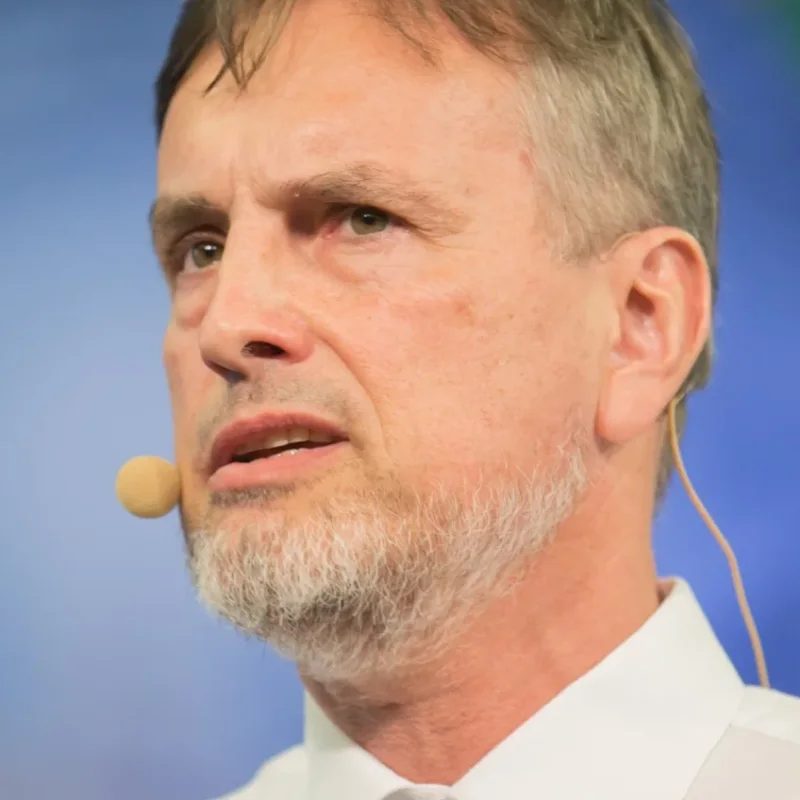
Inventor of the LSTM — the architecture that powered a decade of speech and translation breakthroughs — now building xLSTM and the startup NXAI to give Europe its own competitive large language models.
AI Researcher & Turing Award Winner
Turing Award winner, deep-learning pioneer, and the field’s loudest critic of doomerism — existential-risk fears are “complete B.S.” After 12 years as Meta’s chief AI scientist he left in 2025 to found a world-model startup, AMI Labs.
ML Researcher & YouTuber
Machine-learning researcher and YouTuber known for deep paper explainers — and for building and defending “GPT-4chan,” a model trained on 4chan that drew fierce criticism from AI-ethics researchers in 2022.
MacArthur-winning NLP researcher, now at Stanford, who builds language models while famously explaining why they are “unbelievably intelligent and then shockingly stupid” — a builder’s case for humbler, safer AI.
Director of the Center for AI Safety
Machine-learning researcher whose GELU activation and MMLU benchmark are load-bearing parts of modern AI — and who runs the Center for AI Safety, advises xAI and Scale AI, and organized the 2023 statement declaring AI extinction risk a global priority alongside pandemics and nuclear war.
Turing Award winner and the world’s most-cited AI researcher, who founded the nonprofit LawZero to build “safe-by-design” AI and chairs the International AI Safety Report — a believer in AI for science and medicine whose fight is with the race, not the technology.
Co-founder of reinforcement learning and Turing Award co-laureate who used his moment of highest honor to blast AI companies for shipping untested systems to millions — like opening a bridge to traffic to see if it holds.
AI Safety Researcher & Writer
Co-founder of the Machine Intelligence Research Institute and the AI debate’s most absolute doomer: he argues frontier AI development should be shut down worldwide because superintelligence built with current techniques would kill everyone.
The “godfather of AI” and Nobel laureate whose neural-network breakthroughs built the modern field — and who quit Google in 2023 to warn the world that his life’s work could end it.
AI Ethics Researcher
Co-author of the “Stochastic Parrots” paper and co-lead of Google’s Ethical AI team until her 2021 firing; now chief ethics scientist at Hugging Face, where she dismisses AGI as “vibes and snake oil” and testifies for AI accountability.
President of MIRI
President of the Machine Intelligence Research Institute and co-author, with Eliezer Yudkowsky, of the 2025 bestseller “If Anyone Builds It, Everyone Dies” — the starkest mainstream case for halting the race to superintelligence.
AI Alignment Researcher
The researcher who pioneered RLHF — the technique that made ChatGPT possible — then left OpenAI to work on alignment full-time, publicly putting roughly coin-flip odds on catastrophe once AI reaches human level.
AI Safety Researcher
University of Louisville computer scientist and author of “AI: Unexplainable, Unpredictable, Uncontrollable” who puts the odds of AI destroying humanity above 99.9% — the highest p(doom) of any prominent researcher.
AI & Climate Researcher
AI and climate lead at Hugging Face and a TIME100 AI honoree who warns that generative AI is “accelerating the climate crisis” — building tools like CodeCarbon and the AI Energy Score to force the industry to disclose its footprint.
AI Researcher & Berkeley Professor
Co-author of the standard AI textbook and author of Human Compatible, Russell is the field’s most credentialed insider warning that we must solve the control problem before building superintelligence.
AI ethics researcher forced out of Google over the “Stochastic Parrots” paper, who founded the independent DAIR institute to study AI’s harms to marginalized communities.
UNSW Sydney AI professor and author of “Machines Behaving Badly” who organized the 2015 and 2017 open letters demanding a global ban on lethal autonomous weapons — the public face of the campaign against killer robots.
Chinese Academy of Sciences professor who leads China’s AI-ethics and governance work, signed the 2023 pause letter, and told the UN Security Council that AI carries a risk of human extinction.