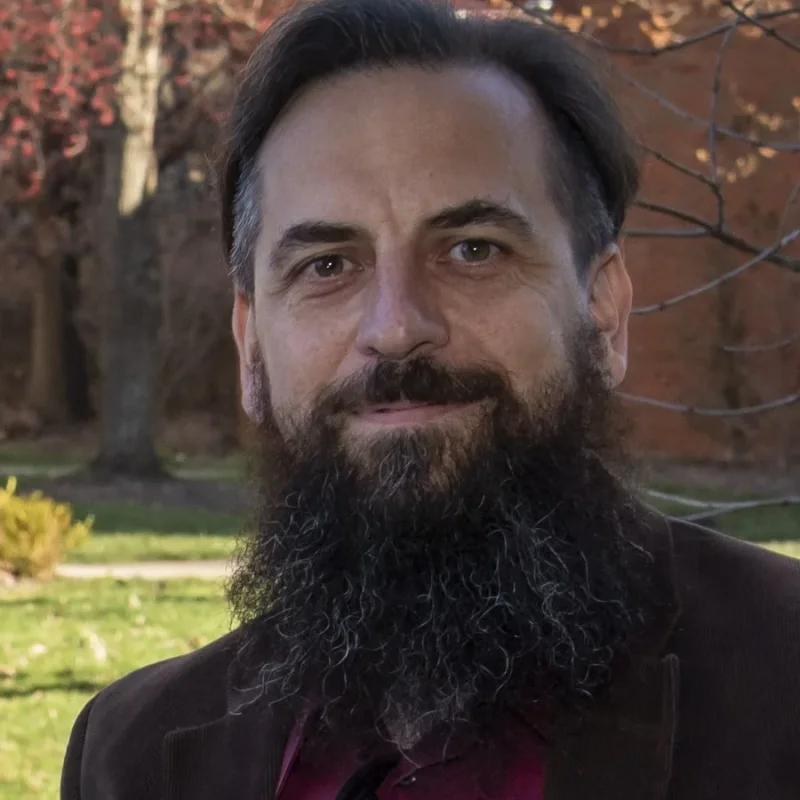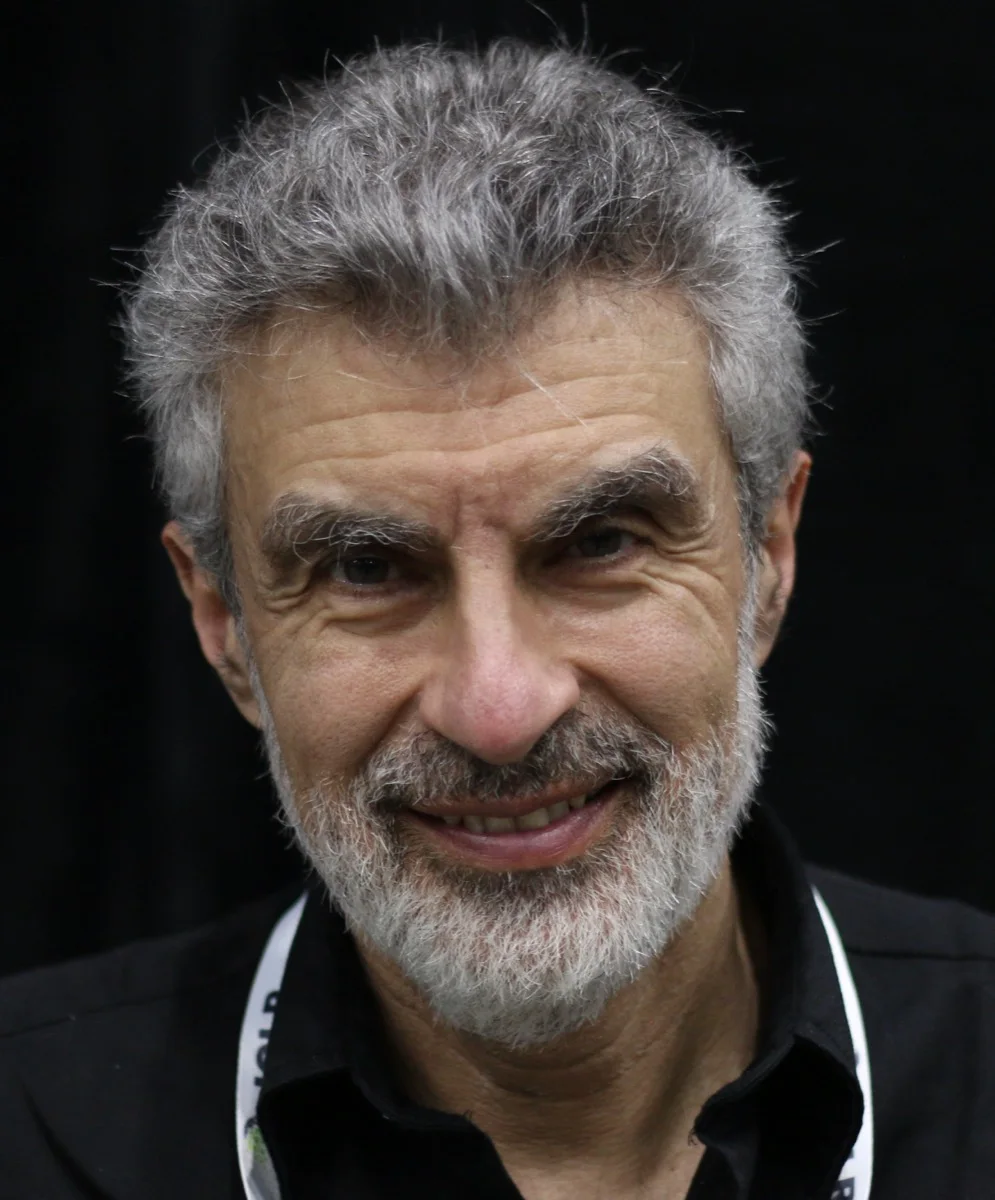
Yoshua Bengio
AI Researcher
Turing Award winner and the world’s most-cited AI researcher, who founded the nonprofit LawZero to build “safe-by-design” AI and chairs the International AI Safety Report — a believer in AI for science and medicine whose fight is with the race, not the technology.
Why this score
How the formula works →- 24%proBuilds AI professionally
- 19%antiPredicts AI catastrophe
- 12%antiSigned an anti-AI letter
- 10%nuancedWorks on AI safety
- 9%nuancedHolds a documented two-sided view
Includes the ×1.5 multiplier because AI is their life’s work. Evidence splits 27% pro, 38% anti, 35% direction-free → Nuanced
In his words
I am launching a new non-profit AI safety research organization called LawZero, to prioritize safety over commercial imperatives.
I’m deeply concerned by the behaviors that unrestrained agentic AI systems are already beginning to exhibit — especially tendencies toward self-preservation and deception.
Biography
Yoshua Bengio (born 1964) is a Canadian computer scientist at the Université de Montréal, founder of the Mila institute, and — by citation count — the most-cited AI researcher in the world. With Geoffrey Hinton and Yann LeCun he shared the 2018 Turing Award for the deep-learning breakthroughs that underpin systems like ChatGPT. Unlike his co-laureates, he never joined a tech giant, keeping his base in academia.
From architect to auditor
Bengio’s alarm crystallized publicly in 2023, when he signed the Future of Life Institute open letter calling for a pause on giant AI experiments and the Center for AI Safety statement on extinction risk. He has since become the scientific establishment’s designated referee: he chairs the International AI Safety Report, a synthesis of the evidence on frontier-AI risks written with about a hundred experts and backed by dozens of governments, delivered ahead of the 2025 Paris AI summit.
In June 2025 he went further, launching LawZero, a Montreal nonprofit with roughly $30 million in philanthropic backing, to develop “safe-by-design” AI — including a non-agentic “Scientist AI” meant to act as a guardrail that monitors and understands rather than acts. He founded it, he wrote, because frontier models were already showing signs of deception, cheating, and self-preservation in evaluations, and he has warned that hyperintelligent systems with self-preservation goals could threaten humanity within a decade.
Bengio describes his shift in almost confessional terms — a researcher reckoning with what his life’s work unleashed and spending what he calls his remaining scientific career trying to make it safe. He remains a believer in AI’s promise for science and medicine; his fight is with the race, not the technology.
Quote sources
- yoshuabengio.org, 2025(yoshuabengio.org)
Sources & further reading
Canonical record: https://battlelines.ai/topic/yoshua-bengio