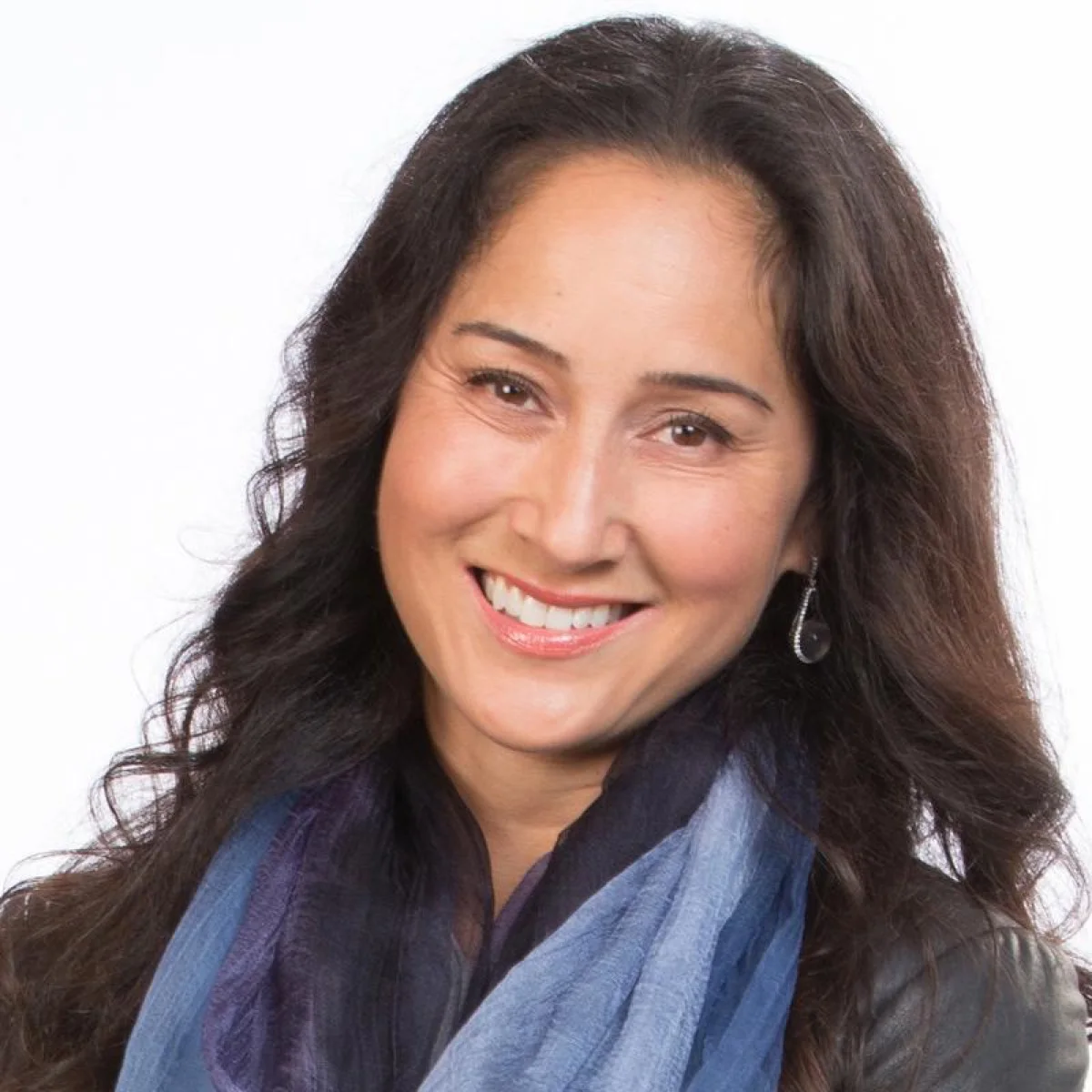
Cynthia Breazeal
Social Robotics Pioneer
MIT Media Lab professor who invented social robotics with Kismet, founded the home robot Jibo, and now directs MIT RAISE — a global push to make AI literacy as universal as reading, reaching a million students in 170 countries.
Why this score
How the formula works →- +3.1proBuilds AI professionally
- +2.5proCampaigns for AI adoption
- +1.8proPro-AI for 15+ years
- +1.2proRecognized for AI work
- +0.9pro3 pro-AI statements (forceful)
Weights, statement counts, the ×1.5 multiplier because AI is their life’s work, and the formula’s smoothing are already baked in — the points add up to the score: Strongly Pro-AI · 9.5/10
In her words
AI literacy is truly for all students.
We need to make sure that people are conscientious users as well as designers.
Biography
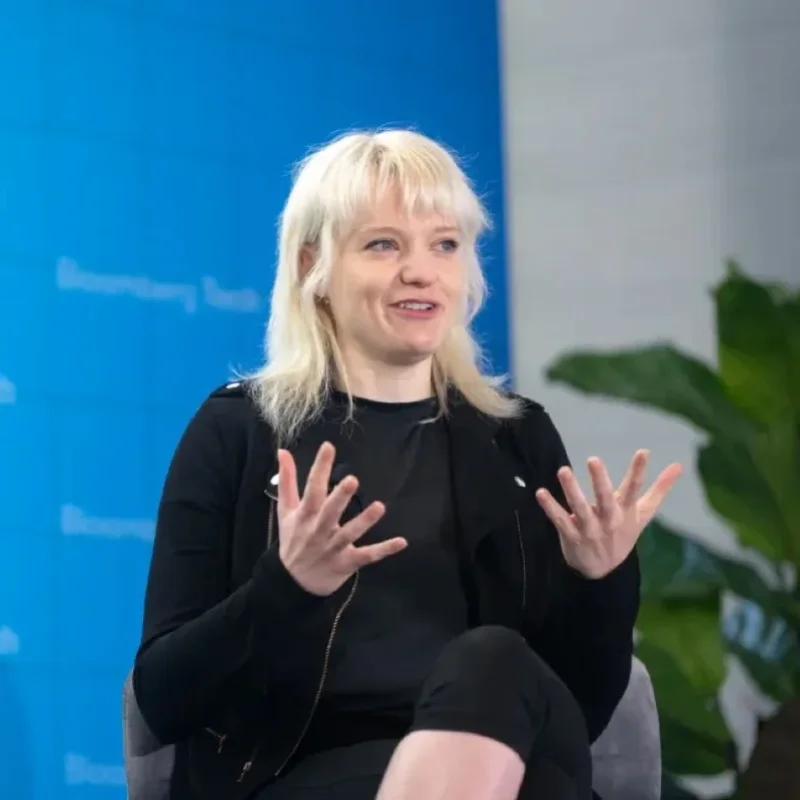
Cynthia Breazeal (born 1967) effectively founded the field of social robotics. As an MIT graduate student under Rodney Brooks in the late 1990s she built Kismet, the expressive robot head that showed machines could engage humans emotionally, and in 2012 she founded Jibo, an early — and ahead-of-its-time — attempt at a social robot for the home. She is a professor at the MIT Media Lab and MIT’s dean for digital learning.
Teaching the world to speak AI
In 2021 Breazeal launched MIT RAISE (Responsible AI for Social Empowerment and Education), which has become the flagship K-12 AI-literacy effort: its Day of AI initiative and open-source curricula have reached an estimated 30,000 teachers and one million students across 170 countries. Her pedagogy is hands-on — kids should build and interrogate AI, not just consume it — fostering what RAISE calls “computational action.”
AI literacy should start in K-12 and create a glide path to two-year vocational technical colleges, four-year colleges, and so forth.
Speaking around the 2026 World Governments Summit, she pushed back on governments that focus AI education only on universities and elite schools, arguing community colleges “could certainly be engines” of national AI skills, and that MIT’s free materials exist so any country can “customize them, localize them, translate them.” She was named to the TIME100 AI list in 2025. Her optimism is deliberate: the answer to AI anxiety, in her telling, is capability — an educated public that shapes the technology rather than fears it.
Quote sources
- Morocco World News, 2026(moroccoworldnews.com)
Sources & further reading
Canonical record: https://battlelines.ai/topic/cynthia-breazeal