Carissa Véliz
Philosopher, Oxford Institute for Ethics in AI
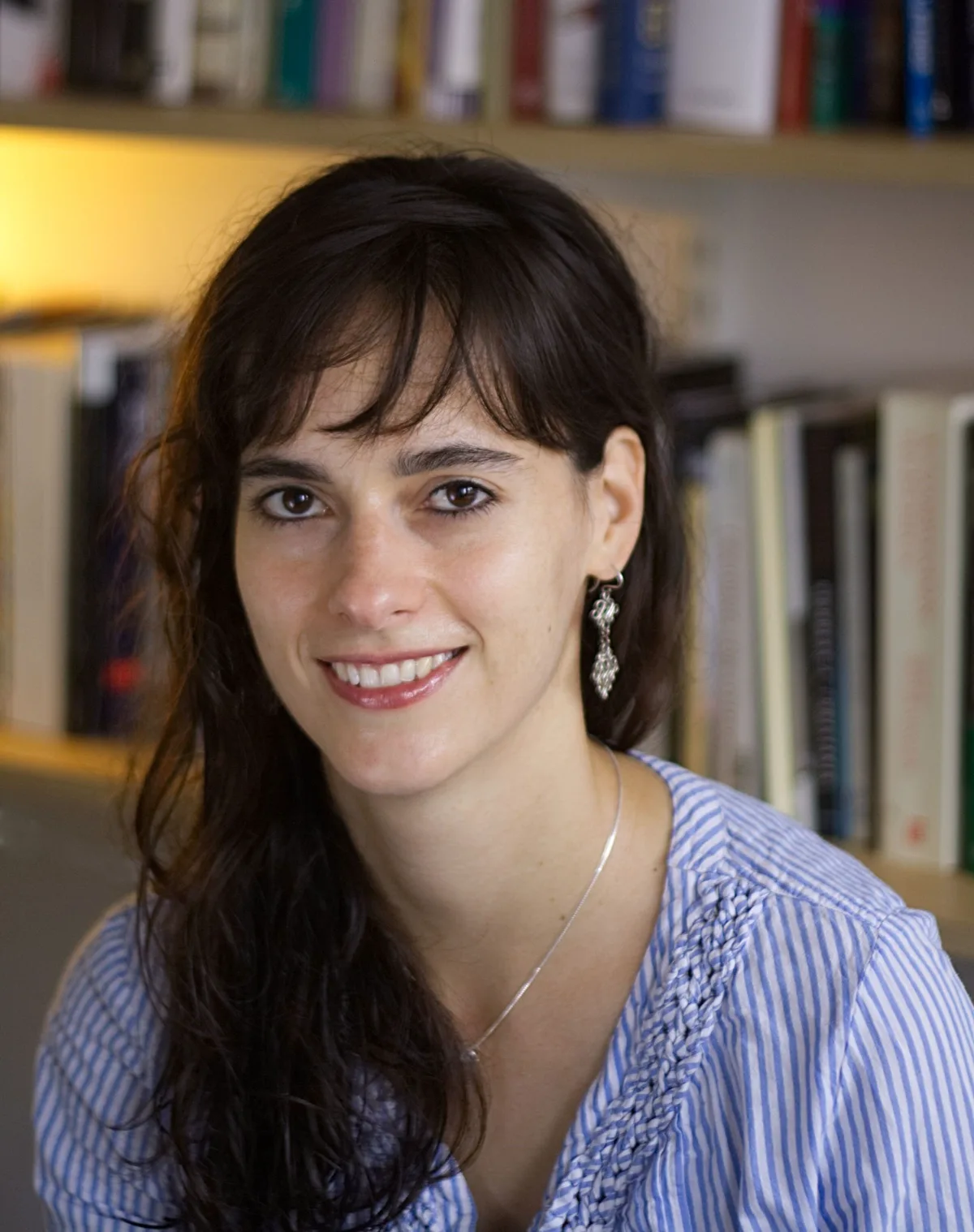
Mexican-Spanish philosopher at Oxford’s Institute for Ethics in AI whose book “Privacy Is Power” calls for ending the data economy that fuels AI — she argues that without good governance we could be worse off for having invented it.
Why this score
How the formula works →- 30%nuancedWorks on AI safety
- 25%nuancedCampaigns for AI safety rules
- 25%nuancedSupports AI only with conditions
- 20%anti3 anti-AI statements (forceful)
Includes the ×1.25 multiplier for having a stake in an AI-impacted field. Evidence splits 0% pro, 20% anti, 80% direction-free → Nuanced
In her words
Without good governance, we could be worse off having AI than if we’d never invented the thing in the first place.
Governments should ban the trade in personal data. We don’t buy or sell votes, and for many of the same reasons, we shouldn’t buy or sell personal data.
Biography
Carissa Véliz is a Mexican-Spanish philosopher and an associate professor at the University of Oxford’s Institute for Ethics in AI and its Faculty of Philosophy, and a fellow of Hertford College. Her 2020 book “Privacy Is Power” — named an Economist Book of the Year and translated into seven languages — argues that the mass harvesting of personal data by corporations and governments threatens individual autonomy and democracy itself, and that the data economy underwriting modern AI should be dismantled.
Ending the data economy
Véliz’s central policy demand is radical by Silicon Valley standards: an outright ban on the buying and selling of personal data, which she compares to the trade in votes. In a 2023 interview with the Royal Institute of Philosophy’s journal Think, she warned that data collection “is not harmless” — it can cost people loans, jobs, and housing — and that AI compounds the problem because it can infer sensitive facts, like sexual orientation, from data that seems innocuous. Consent, she argues, is largely fictional when most collection happens without people knowing about it.
Data collection is not harmless. It can have grave consequences, from you being denied a loan, or a job, or housing.
Her 2026 book “Prophecy” extends the argument to prediction itself, tracing a line from ancient oracles to machine-learning forecasts and contending that algorithmic prediction functions as a tool of power over individuals rather than genuine foresight — stripping people of agency and menacing democratic life. Véliz also serves on the board of the Proton Foundation, the majority owner of the privacy-focused technology firm Proton, and is a member of UNESCO’s Women 4 Ethical AI platform — an engaged critic who pairs philosophical argument with institutional work.
Quote sources
- Royal Institute of Philosophy (Think), 2023(royalinstitutephilosophy.org)
Sources & further reading
Canonical record: https://battlelines.ai/topic/carissa-veliz