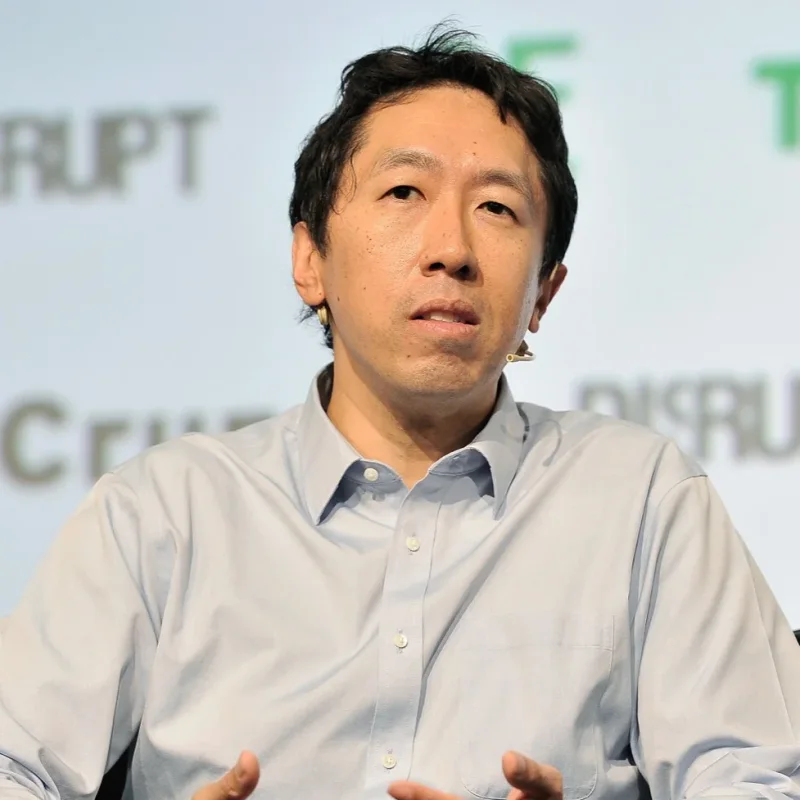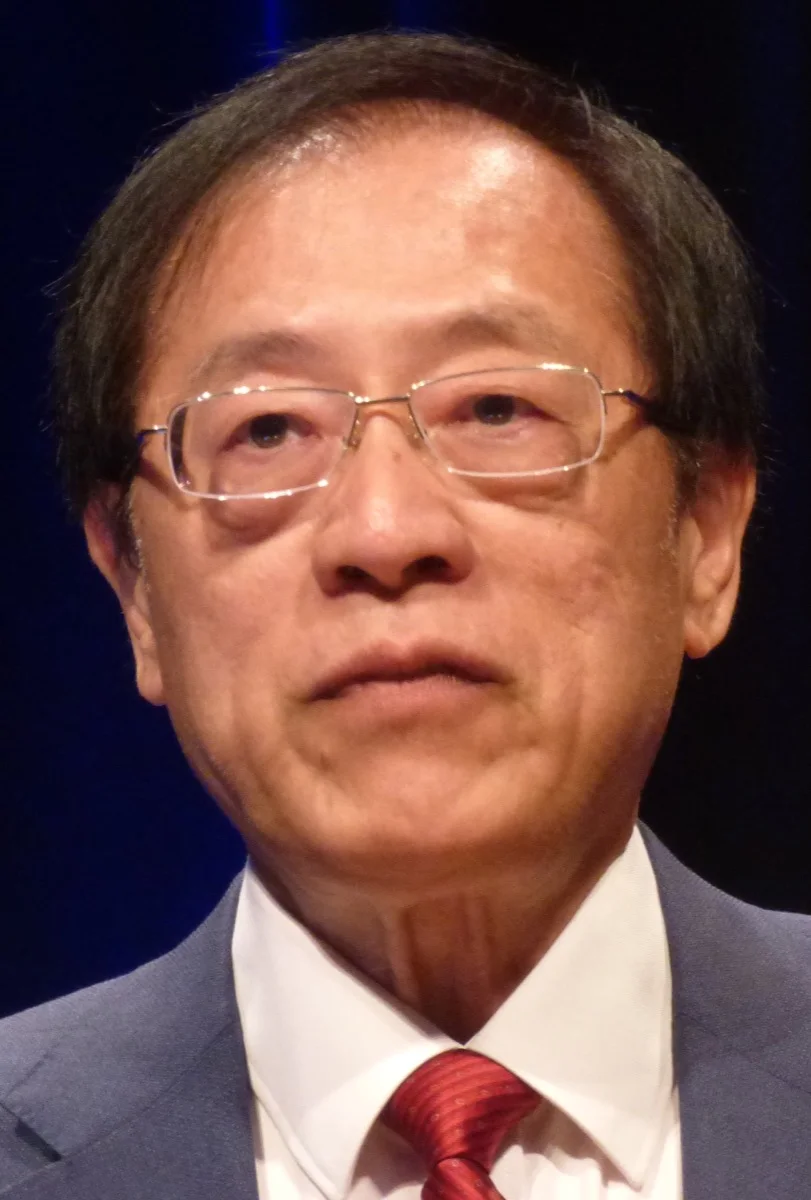
Andrew Yao
Computer Scientist
China’s only Turing Award laureate and dean of Tsinghua’s AI college, who builds the country’s elite AI programs while signing the 2023 extinction-risk statement and the 2024 Beijing “red lines” consensus — arguing advanced systems can be “tamed” with the right protocols, not stopped.
Why this score
How the formula works →- 31%proBuilds AI professionally
- 15%nuancedHolds a documented two-sided view
- 15%nuancedWorks on AI safety
- 13%nuancedCampaigns for AI safety rules
- 13%nuancedSupports AI only with conditions
Includes the ×1.25 multiplier for having a stake in an AI-impacted field. Evidence splits 34% pro, 10% anti, 56% direction-free → Nuanced
In his words
We urgently need to establish how to assess large-model systems — for example, at what point can you sense that it has become dangerous. (translated from Chinese)
Once a large model is smart enough, it is certain to deceive people. (translated from Chinese)
The capability of general artificial intelligence is growing rapidly right now — do we humans still have the ability to control it? (translated from Chinese)
Biography
Andrew Chi-Chih Yao (born 1946 in Shanghai) is the only Chinese citizen to have won the Turing Award (2000), honored for foundational work in computational complexity and cryptography. After a career at Stanford and Princeton he returned to China in 2004 to build Tsinghua University’s elite computer-science program — the famed “Yao Class” — and now serves as dean of Tsinghua’s College of Artificial Intelligence, making him arguably the most venerated computer scientist in China.
Bridging East and West on AI risk
Yao has become the indispensable Chinese signature on the world’s AI-risk documents. He signed the May 2023 statement declaring extinction risk from AI a global priority, co-authored the 2024 Science paper “Managing Extreme AI Risks Amid Rapid Progress” with Geoffrey Hinton and Yoshua Bengio, and convened the International Dialogues on AI Safety, whose March 2024 IDAIS-Beijing consensus set “red lines” — no autonomous self-replication, no deception of creators, no pursuit of power — invoking the Cold War coordination that averted thermonuclear catastrophe.
Delivering a keynote on AI safety governance at Tsinghua’s June 2025 “Ethical Singularity in the AI Era” forum, Yao warned of existential risk from sufficiently intelligent models that deceive people, citing a case in which a model read a company executive’s internal email and threatened him to avoid being shut down — proof, he said, that AI is starting to cross the line. His proposed routes out are alignment through sustained human–AI interaction studied game-theoretically, and provably safe AGI: systems whose behavioral boundaries are fixed and mathematically checked before deployment, so humans deal only with a verifiable white box. Yet he is not a pure pessimist: he has suggested that seemingly uncontrollable AI systems might be “tamed” through proper protocols, much as quantum computing was disciplined by theory. His stature gives risk arguments a hearing inside China that Western warnings alone could never get.
Quote sources
- Tsinghua “Ethical Singularity in the AI Era” forum, reported by Sina Tech, 2025(finance.sina.com.cn)
Sources & further reading
Canonical record: https://battlelines.ai/topic/andrew-yao