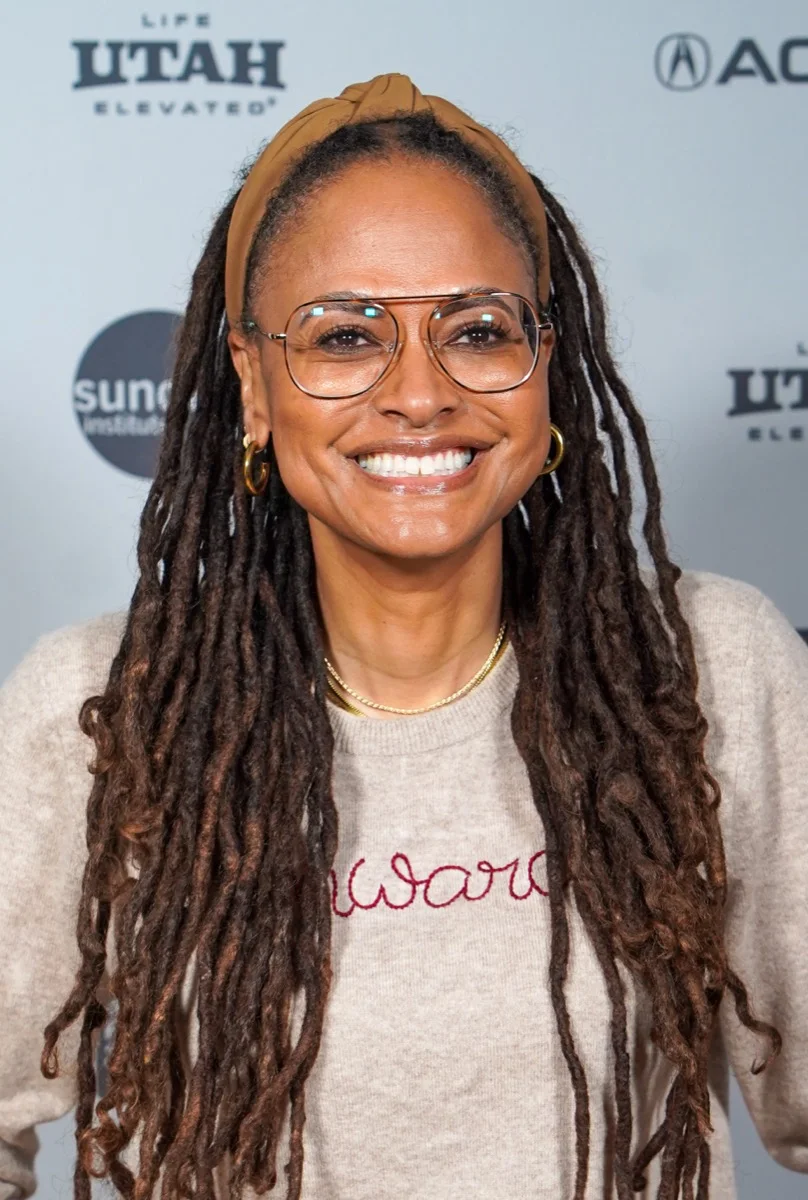
Ava DuVernay
Filmmaker
Director of Selma, 13th, and When They See Us, and founder of the distribution collective ARRAY. A prominently named signatory of the March 2025 letter urging the White House not to let AI companies train on copyrighted work without permission or pay.
Why this score
How the formula works →- 100%nuancedSupports AI only with conditions
Includes the ×1.25 multiplier for having a stake in an AI-impacted field. Evidence splits 0% pro, 0% anti, 100% direction-free → Nuanced
In her words
We firmly believe that America’s global AI leadership must not come at the expense of our essential creative industries.
Access to America’s creative catalog of films, writing, video content, and music is not a matter of national security.
Biography
Ava DuVernay (born 1972) moved from film publicist to filmmaker and became one of the most consequential directors of her generation: Selma (2014), the Oscar-nominated mass-incarceration documentary 13th (2016), Netflix’s When They See Us (2019), and Origin (2023). With A Wrinkle in Time she became the first Black woman to direct a live-action film with a budget over $100 million, and her collective ARRAY has spent more than a decade distributing films by women and filmmakers of color that the studio system passed over.
Holding the copyright line
In March 2025, DuVernay was among the most prominently named signatories — headlines paired her with Paul McCartney, Cate Blanchett, and Lilly Wachowski — of the open letter from 400-plus creatives to the White House Office of Science and Technology Policy. The letter responded to OpenAI and Google submissions to the administration’s AI Action Plan that argued training on copyrighted work should not require permission. The signatories countered that the companies, with their “substantial revenues and available funds,” should simply negotiate licenses, and that weakening copyright would undermine an arts economy supporting over 2.3 million American jobs.
The stance fits a career spent arguing about who controls the pipes. DuVernay built ARRAY precisely because, as she has often said, traditional gatekeeping models were collapsing and artists needed “new ways to work without permission” — institutional permission, that is. On AI training, her position lands on the other side of the same coin: the artists’ work itself is not free raw material.
Quote sources
- Open letter to the White House OSTP (co-signatory), 2025(hollywoodreporter.com)
Sources & further reading
Canonical record: https://battlelines.ai/topic/ava-duvernay