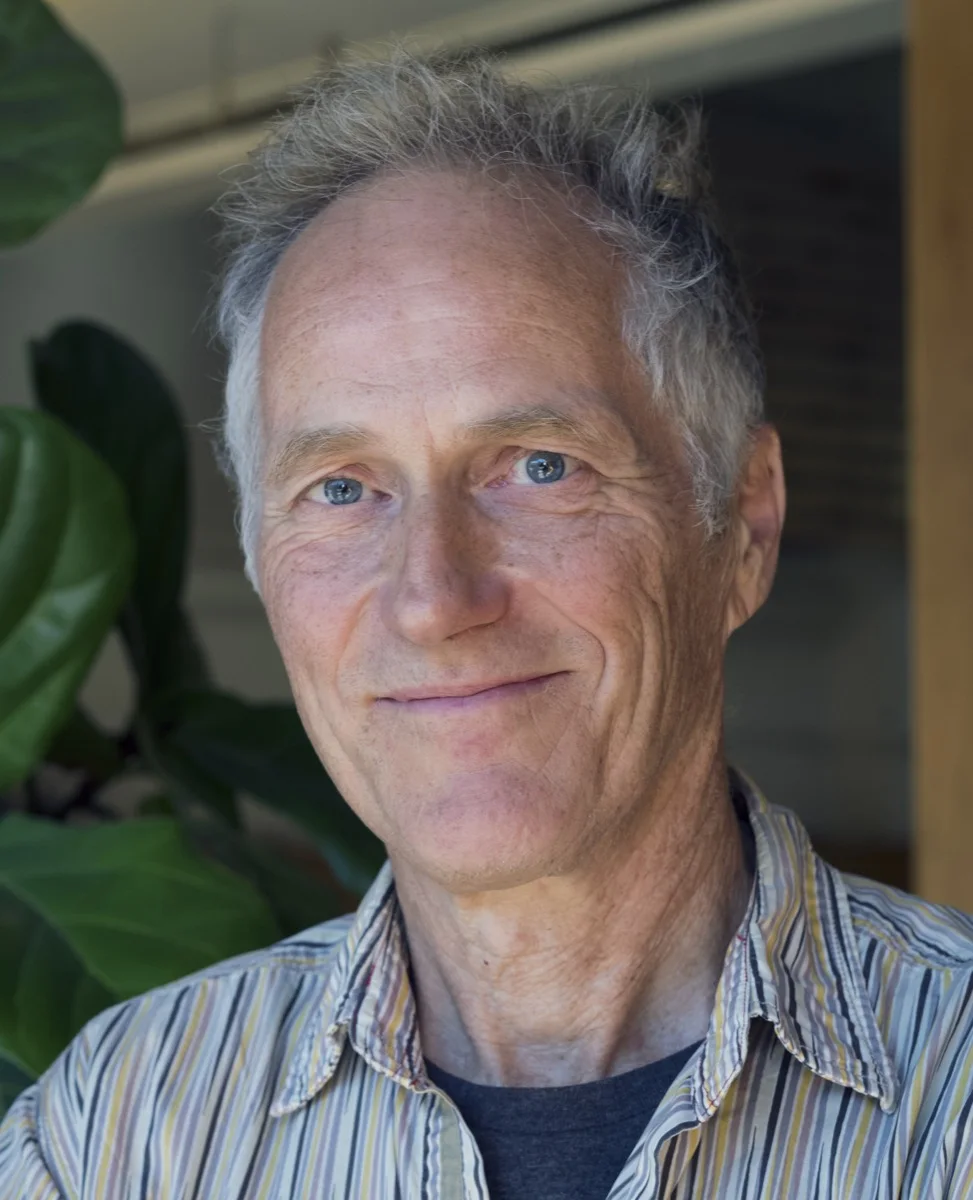
Tim O’Reilly
Founder of O’Reilly Media
The tech-publishing pioneer who coined “Web 2.0” champions AI as the next great inflection point — while his AI Disclosures Project caught OpenAI likely training on his company’s paywalled books, fueling his demand for a fairly compensated content economy.
Why this score
How the formula works →- 32%proUses AI in their work
- 25%nuancedHolds a documented two-sided view
- 21%nuancedSupports AI only with conditions
- 16%pro3 pro-AI statements (forceful)
- 6%anti1 anti-AI statement (measured)
Includes the ×1.25 multiplier for having a stake in an AI-impacted field. Evidence splits 48% pro, 6% anti, 46% direction-free → Nuanced
In his words
Every time it gets easier to tell computers what we want them to do, it brings more people into the fold and unleashes a wave of creativity and creative destruction. That reads like opportunity to me.
Generating derivative works that can compete with the original work is definitely not fair use.
Biography
Tim O’Reilly (born 1954) built O’Reilly Media into the definitive publisher of programming books, popularized the terms “open source” and “Web 2.0,” and has spent decades as the tech industry’s resident philosopher of platforms — his book WTF? What’s the Future and Why It’s Up to Us (2017) previewed many of today’s AI-economy arguments.
Champion and watchdog at once
O’Reilly calls AI the most impactful inflection point of his four decades in technology and has rebuilt his company around it, arguing that fears of AI ending programming careers get history backwards: easier programming has always created more programmers. In a 2025 essay he declared that “the fun is back — along with unprecedented opportunity” in software development.
Yet he is also the industry’s most methodical critic of how the models were fed. The AI Disclosures Project, the nonprofit he co-founded with economist Ilan Strauss in 2024, published a study in April 2025 using membership-inference techniques to show GPT-4o had strong recognition of 34 paywalled O’Reilly books — content OpenAI never licensed. TechCrunch and others covered the finding widely.
His prescription is neither lawsuits nor resignation but architecture: a “participatory content economy” in which AI systems track usage and pay royalties, as O’Reilly’s own AI-powered learning platform does with RAG-based attribution. The first copyright-aware LLM, he argues, will enjoy a unique competitive advantage. It is the same bet he made on open source: that generosity with fair rules beats both piracy and protectionism.
Quote sources
- X, 2025(x.com)
- O’Reilly Radar, 2025(oreilly.com)
Sources & further reading
Canonical record: https://battlelines.ai/topic/tim-oreilly