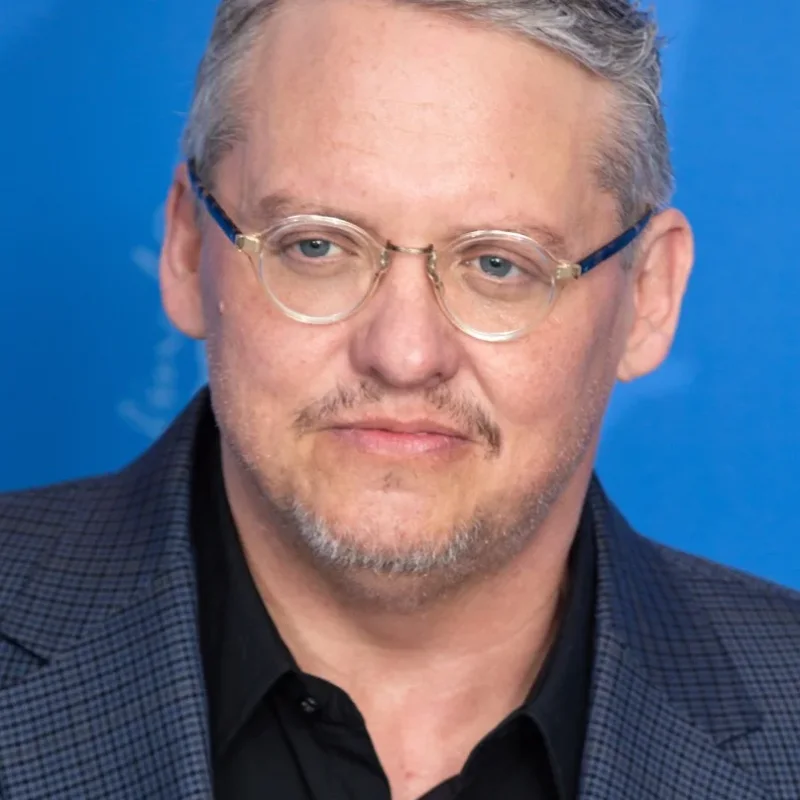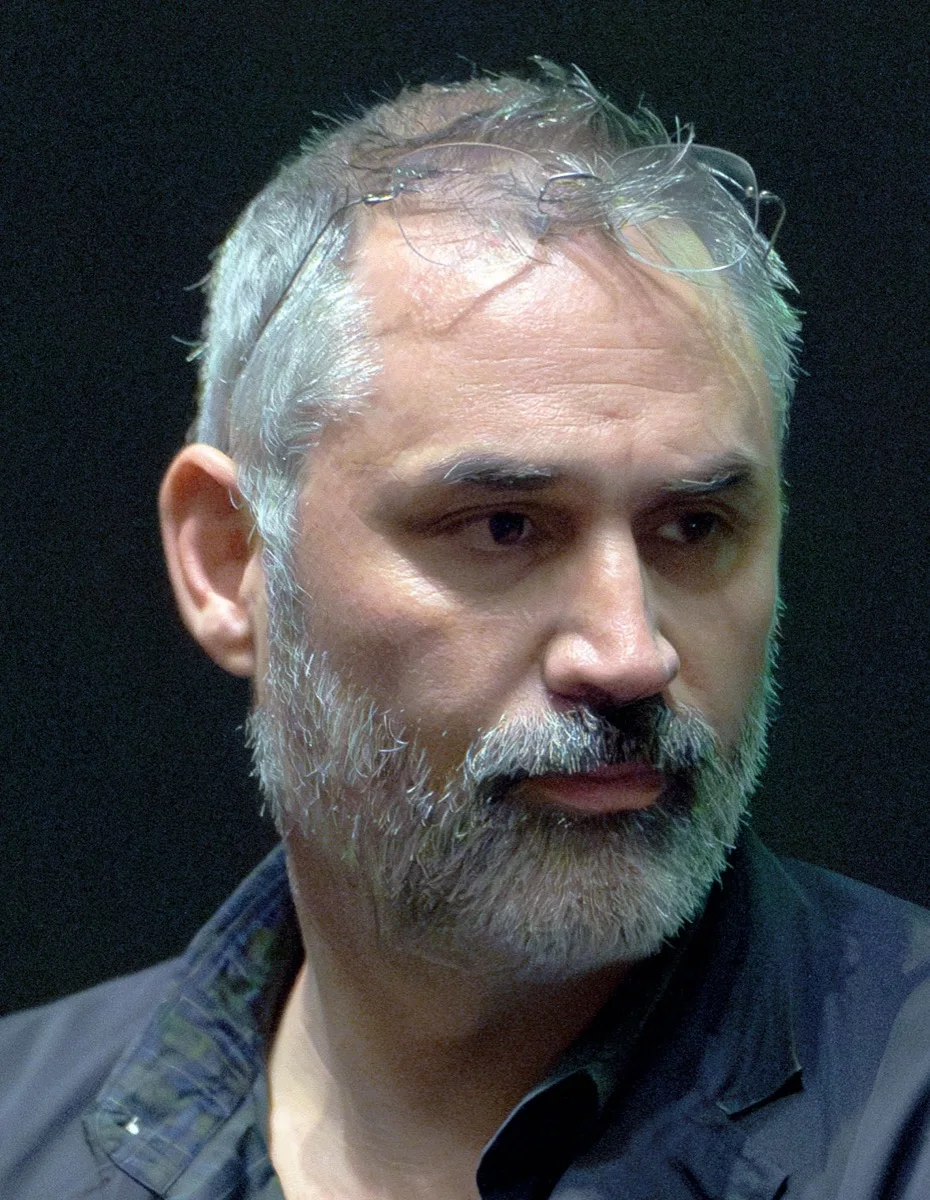
Alex Garland
Writer-Director
Novelist turned filmmaker behind Ex Machina, Annihilation, Devs, and Civil War. He treats generative AI as an unstoppable tide and says the thing worth fearing is not the technology but the unaccountable tech executives deploying it.
Why this score
How the formula works →- 44%nuancedHolds a documented two-sided view
- 36%nuancedFears big tech will monopolize AI
- 20%anti2 anti-AI statements (forceful)
Includes the ×1.25 multiplier for having a stake in an AI-impacted field. Evidence splits 0% pro, 20% anti, 80% direction-free → Nuanced
In his words
And it is them, more than the concept of AI itself that I find concerning. You have unelected people acting with more power than politicians who are not accountable at the moment to anybody.
Biography
Alex Garland (born 26 May 1970) is an English novelist, screenwriter, and director. He broke through at 26 with the novel The Beach, then reinvented himself as a screenwriter for Danny Boyle on 28 Days Later and Sunshine, and wrote Never Let Me Go and Dredd. His directorial debut, Ex Machina (2014), earned him an Academy Award nomination for Best Original Screenplay; Annihilation, the FX/Hulu series Devs, Men, Civil War, and the Iraq War film Warfare — co-directed with veteran Ray Mendoza — followed.
Ex Machina and Devs made Garland the filmmaker journalists call first whenever artificial intelligence is in the news, and that is worth being careful about: a film being about AI is not a position on it. Garland has given one, though, and it is not the one his filmography implies.
Not the machine — the men running it
Speaking to BroBible in April 2025 ahead of Warfare, Garland was asked about the viral trend of ChatGPT users generating images in the house style of Studio Ghibli — a stunt that infuriated animators and admirers of Hayao Miyazaki. His answer began with resignation rather than outrage.
Prior to this, what you had was lots of different singers, writers, playwrights, poets, filmmakers — you name it — I’m talking about the creative world, presenting different sorts of takes perspectives, and in some sense, they were competing with each other. And so perhaps a new voice has entered into that realm. What you think about it is not exactly irrelevant. It’s relevant, but it’s like the tide coming in. It’s just going to happen.
He then drew the distinction that defines his position: the technology is not the antagonist. The antagonist is the small, self-mythologising group of people who own it — a description that reads like a summary of Devs, whose villain is a tech CEO convinced he is building God.
To me, the problem is not actually AI itself. It’s the motivations and the thought processes of the non-AI people who run the companies that are bringing it in — why they’re doing it, what they are careful of, what they are not careful of — their own sense of omniscience, which, in the case of people who run tech companies, seems to be limitless. They perceive themselves in a sort of Messianic or even quasi sort of divine way.
Garland has also been close to the industry’s flashpoints without commenting on them: his distributor A24 was widely criticised in April 2024 for promoting Civil War with AI-generated posters, and in June 2026 signed a reported $75 million filmmaking-research deal with Google DeepMind. He has not publicly addressed either. What is on the record is a filmmaker who accepts the tool as a fact of life and reserves his alarm for accountability — a governance critique rather than an aesthetic one.
Quote sources
- BroBible, 2025(brobible.com)
Sources & further reading
Canonical record: https://battlelines.ai/topic/alex-garland