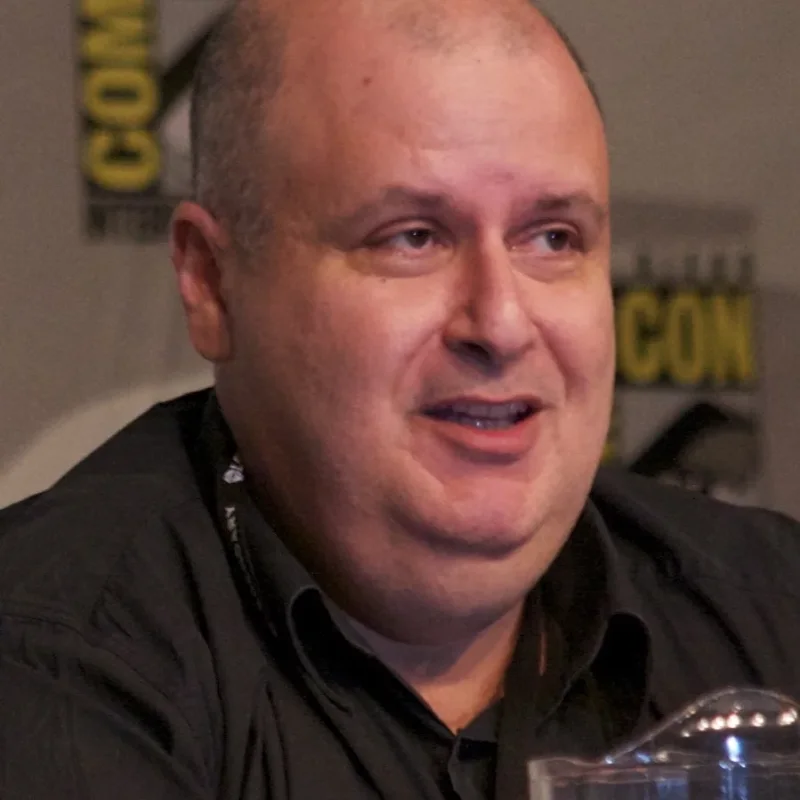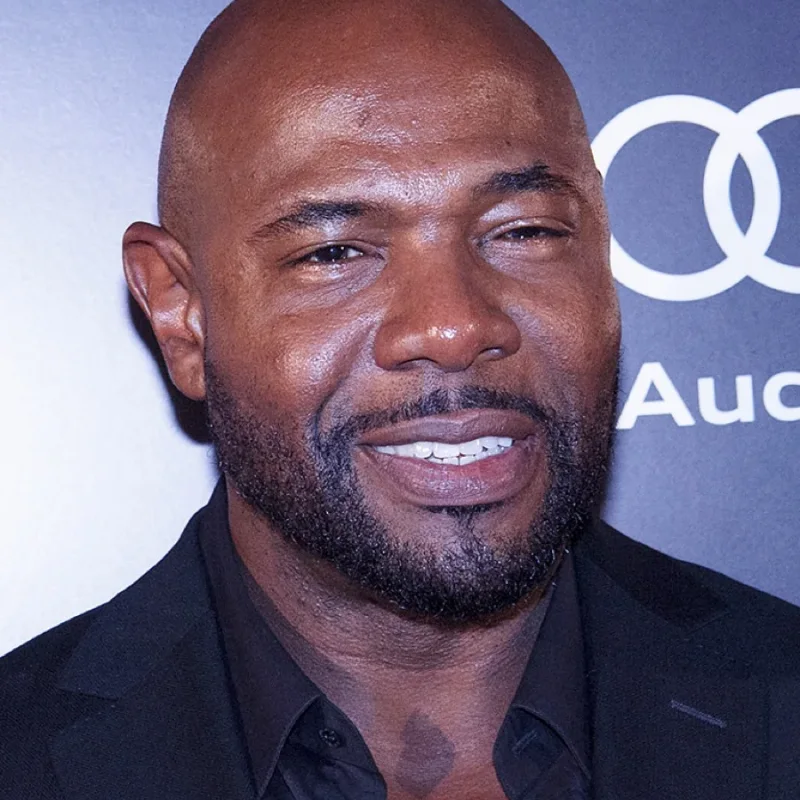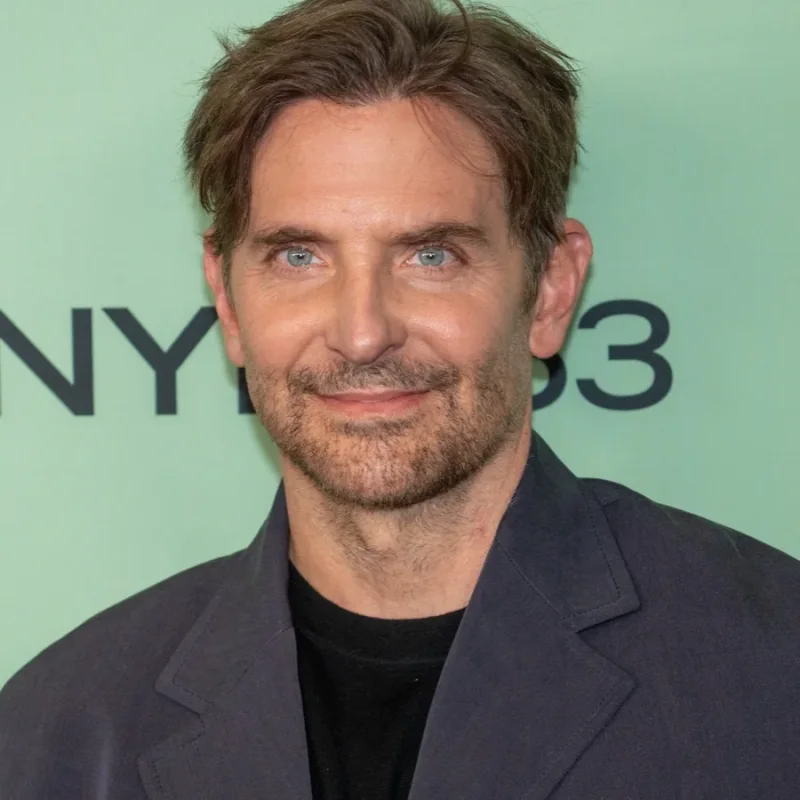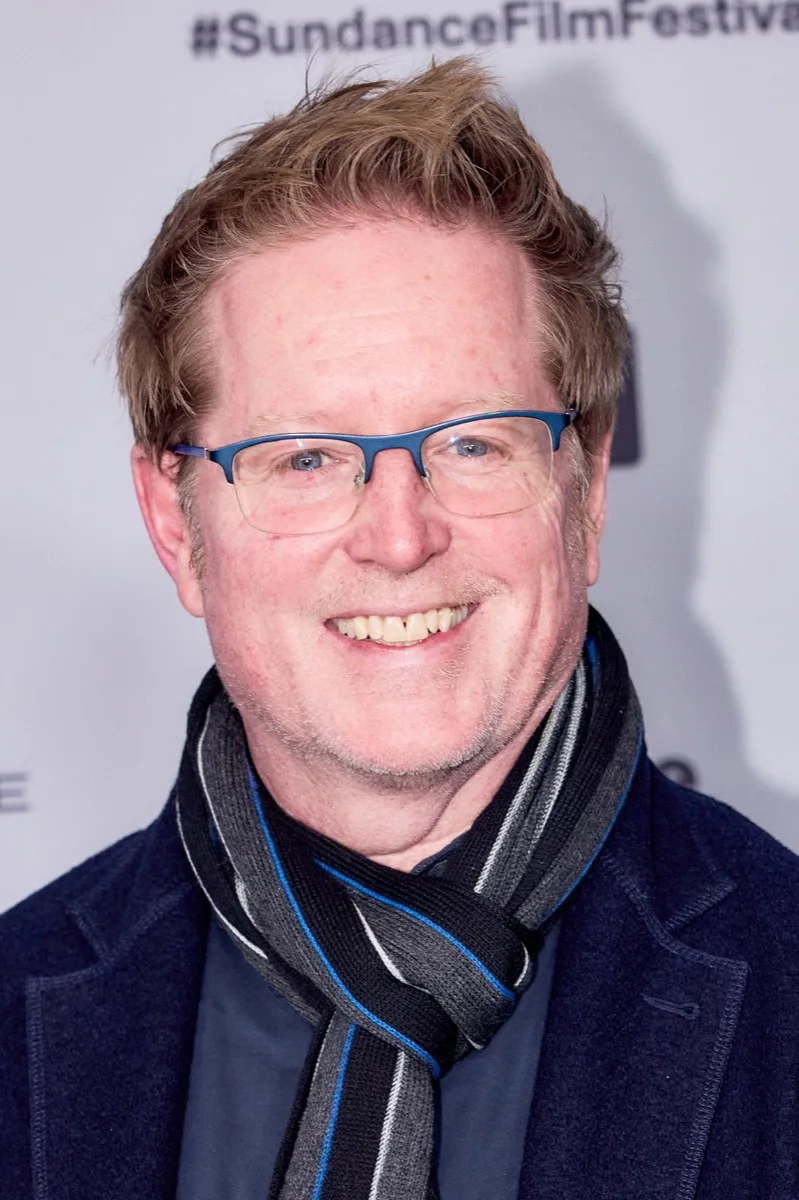
Andrew Stanton
Filmmaker
The Pixar director of Finding Nemo, WALL-E and Toy Story 5. He says machine learning has been in Pixar’s toolset since the beginning but only ever to sharpen the tools — “I have no interest in doing anything but working smarter, faster with another artist.”
Why this score
How the formula works →- 36%proUses AI in their work
- 28%nuancedHolds a documented two-sided view
- 24%nuancedSupports AI only with conditions
- 6%pro1 pro-AI statement (measured)
- 6%anti1 anti-AI statement (mild)
Includes the ×1.25 multiplier for having a stake in an AI-impacted field. Evidence splits 42% pro, 6% anti, 52% direction-free → Nuanced
In his words
We’ve had machine learning since the beginning of Pixar as far as figuring things out for you occasionally, but it’s always been to make the tools work better. I have no interest in doing anything but working smarter, faster with another artist.
I’ve always liked the idea that there’s a pattern that humans have — they invent fire, they burn themselves, but then they eventually tame it. And the timeline of that learning curve can be eons or it can be a week. So who knows what the mess is going to be [with AI] and how long it’s going to go on for or how much harm it might do. But eventually, if we go far enough into the future, it will find its proper usage and be normalized.
Biography
Andrew Stanton (born 1965 in Rockport, Massachusetts) joined Pixar at 24 as its second animator and never really left. He co-wrote every Toy Story film, directed Finding Nemo and WALL-E — both Oscar winners for Best Animated Feature — and in 2026 directed Toy Story 5 alongside co-director McKenna Harris. That same year he returned to live action with the Searchlight science-fiction film In the Blink of an Eye, fourteen years after John Carter, the expensive flop that he has said wounded him badly.
Tools, not authors
Asked at a Toy Story 5 press preview in Anaheim in May 2026 whether generative AI had touched the film, Stanton drew a hard line between the machine learning that has quietly powered Pixar’s renderers and simulators for decades and the kind of AI that replaces people. Pixar has used the former since the beginning, he said, always to make the tools work better; as for the latter, he has “no interest in doing anything but working smarter, faster with another artist.” Co-director Harris echoed the point, noting that Pixar “is a technology company first” but that what is on screen “is the work of a lot of awesome artists.”
His forecast for the technology at large is more relaxed than most of his peers’. Speaking to Gold Derby in February 2026 about In the Blink of an Eye — whose far-future storyline pairs an astronaut with a benevolent shipboard AI — Stanton reached for fire as the analogy: humans invent it, burn themselves, and eventually tame it. He does not pretend to know how bad the burn will be or how long it will last, only that on a long enough timeline the technology will “find its proper usage and be normalized.” What he liked about the script, he said, was that it was “rebellious in being optimistic about the future.”
The tension in his 2026 slate is not lost on him. Toy Story 5 sets Woody and the gang against Lilypad, a children’s tablet voiced by Greta Lee — a story about screens eating playtime, released by a studio whose own Pete Docter has spent two years fielding the same questions about automation. Stanton insists Lilypad is not a villain, only the next phase of a kid’s life, and frames the film’s argument as a defence of connection rather than a case against devices: “Nothing else can replace that.”
Quote sources
- Variety, 2026(variety.com)
- Gold Derby, 2026(goldderby.com)
Sources & further reading
Canonical record: https://battlelines.ai/topic/andrew-stanton