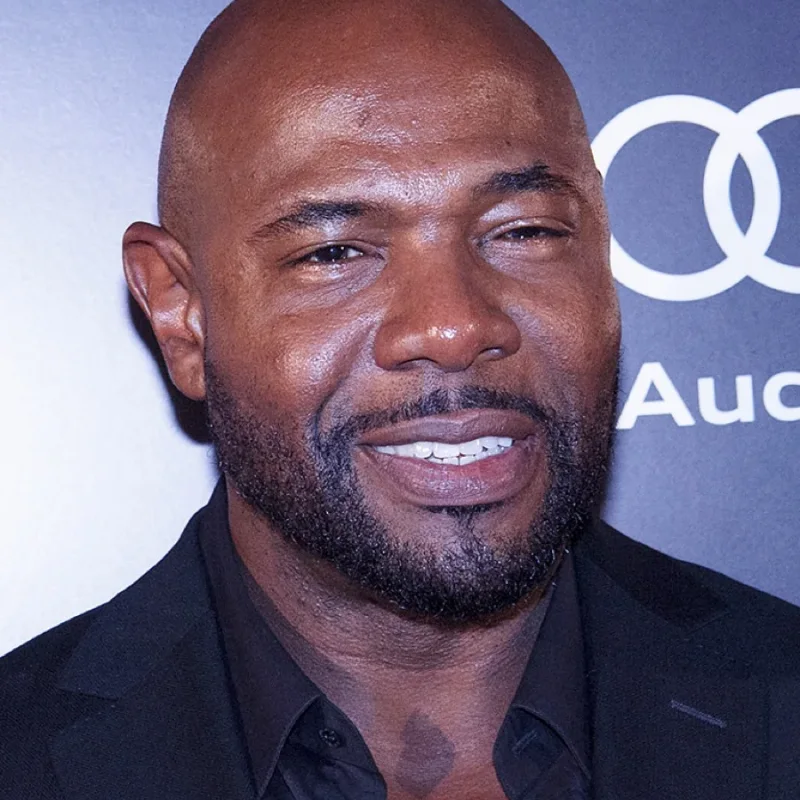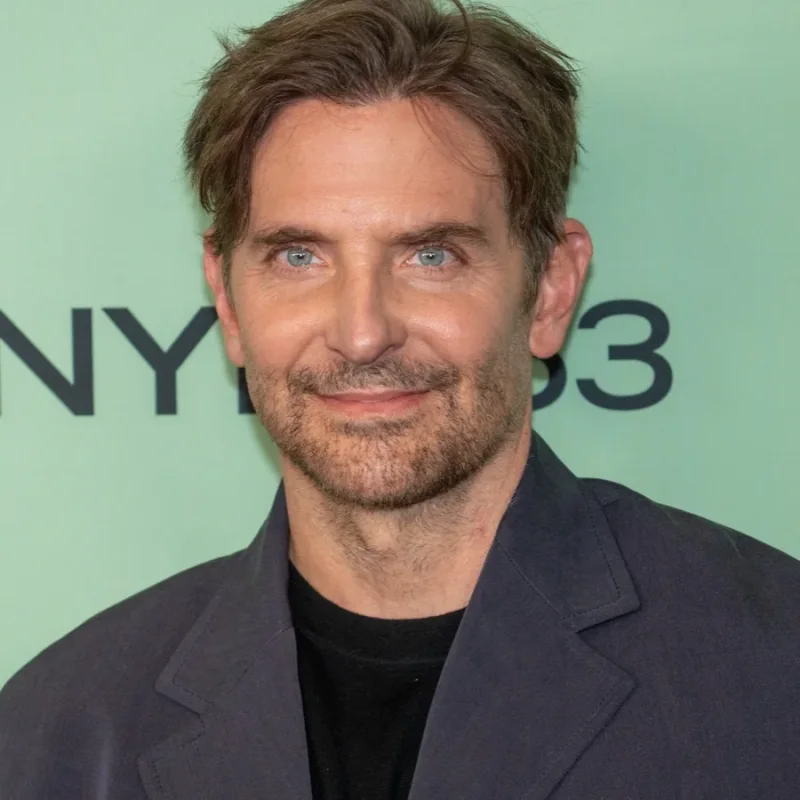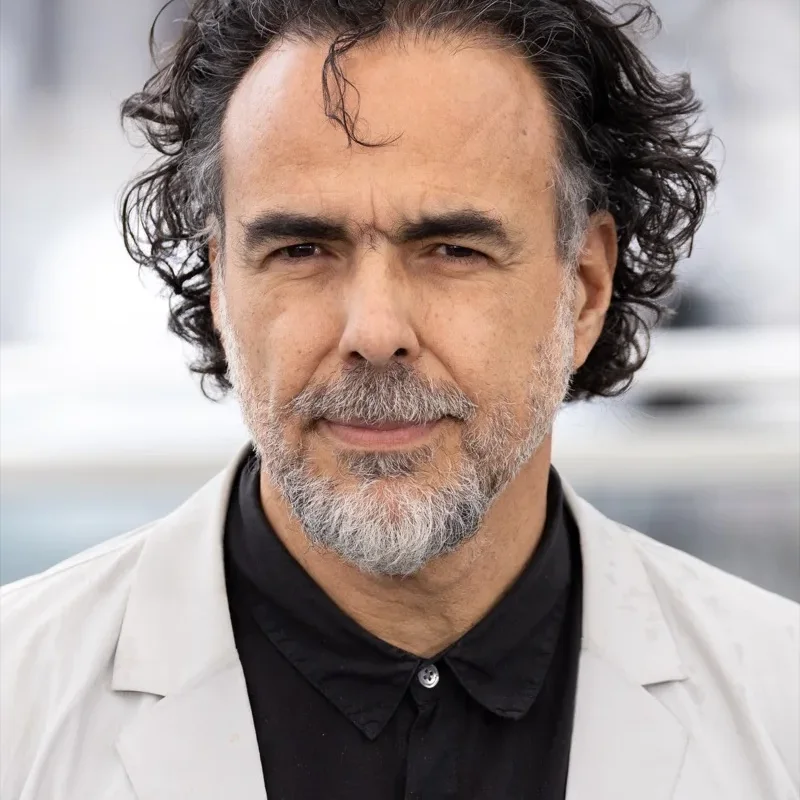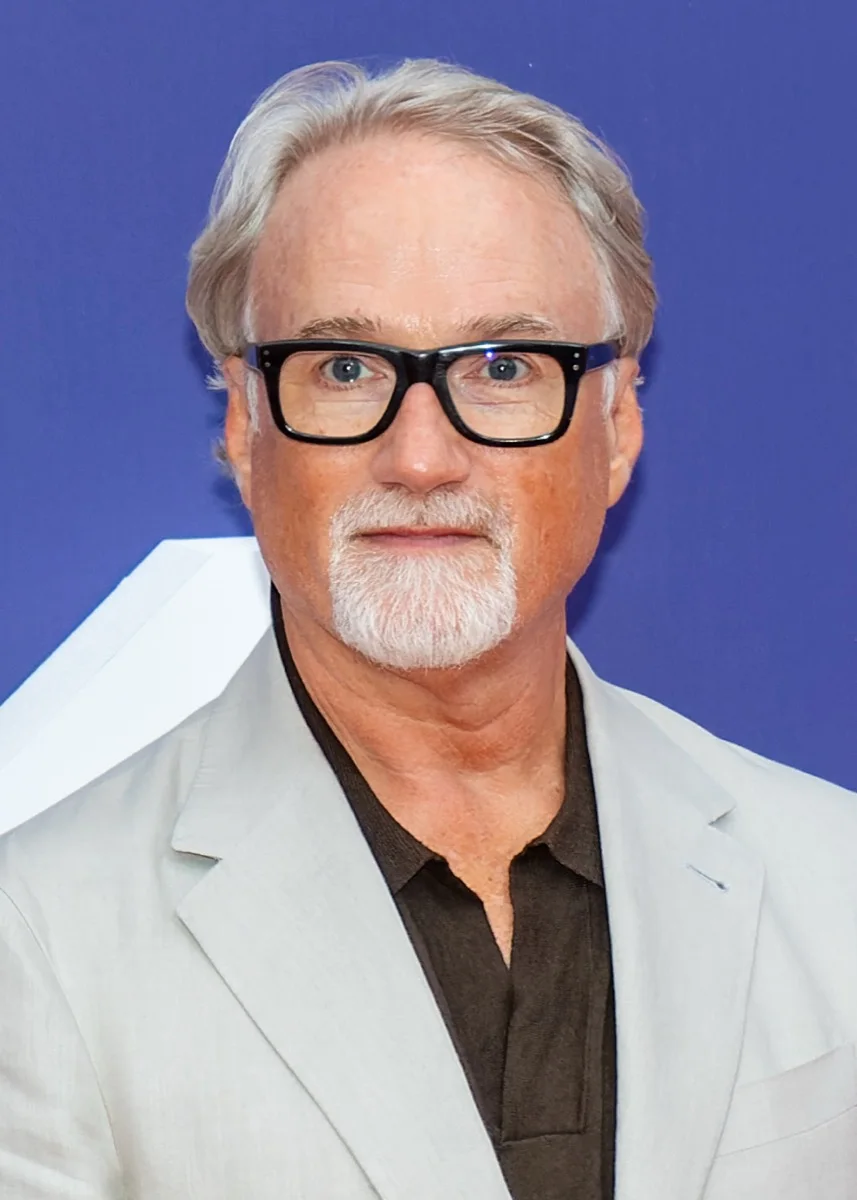
David Fincher
Director
Director of Se7en, Fight Club, Zodiac, and The Social Network, and a lifelong early adopter of digital effects. He used AI on The Killer and on the Se7en 4K restoration, calls it “a really powerful tool,” and says AI-made art has yet to move him.
Why this score
How the formula works →- 24%proUses AI in their work
- 24%proHas published AI-made work
- 20%nuancedHolds a documented two-sided view
- 16%antiCalls AI overhyped
- 12%pro3 pro-AI statements (forceful)
Includes the ×1.25 multiplier for having a stake in an AI-impacted field. Evidence splits 60% pro, 20% anti, 20% direction-free → Nuanced
In his words
I mean, look, you give me a tool, a powerful tool to do X, Y, and Z, I may not be interested in Y and Z, but if I can use it for the sake of X — all tools, if they do what they say they’re going to do, are good tools.
So it ends up being the most thrillingly stupid fix in the world because if you see it, we didn’t do our jobs.
I think AI’s a really powerful tool. And for my money, I have not heard an AI Beatles song that compares to “Eleanor Rigby.”
Biography
David Fincher (born August 28, 1962) is an American director whose films — Se7en, Fight Club, Zodiac, The Social Network, Gone Girl, Mank, The Killer — helped set the visual grammar of modern Hollywood. He came up through visual effects at Industrial Light & Magic and then music videos, and has spent three decades pushing digital tools harder than most of his peers: the fully computer-generated aging in The Curious Case of Benjamin Button, the composited twins of The Social Network, the reconstructed 1970s San Francisco of Zodiac.
A really powerful tool
Asked about AI by British GQ in October 2023, while promoting The Killer, Fincher answered as a technician rather than a partisan. He called AI “a really powerful tool” and gave a concrete example: a few lines Michael Fassbender could not get right in looping were recorded on an iPhone in an acoustically hopeless room, then processed against the hours of voiceover already banked until they came back clean and still carried, in Fincher’s phrase, “the music of his voice.” “And that’s incredibly handy to have,” he said.
His scepticism, where it exists, is aesthetic rather than moral. He had not heard an AI song that moved him, he said, and what audiences respond to in poetry, songwriting, and photography is “the personal bent” — though he allowed that he might be “eating my words in a year,” and praised short films made by people who lean into “what is ineffective and plastic about AI.” Until something machine-made breaks his heart, he told GQ, “I’m not that worried about it.”
I have friends who are photographic geniuses playing with AI. And you look at it, and it always looks like sort of a low-rent version of Roger Deakins. And I understand what AI is pulling from in order to make this.
Restoring Se7en
In January 2025, for the 30th-anniversary 4K restoration of Se7en, Fincher went further and said so openly. Machine-learning tools were used to pull focus back into a shot of Kevin Spacey behind a police-car grate, and to rebuild a leather shoulder clipped by a camera operator who missed the mark — “a lot of little stuff,” as he put it to Entertainment Weekly. He told Collider the ideal outcome was invisibility, and he insisted the goal was restoration rather than revision: “my real attitude is I don’t want to change it. I want to make it opening night, 1995, but the pristine version of that.” Asked whether he was for AI or against it, he rejected the framing outright.
That places Fincher among the filmmakers — James Cameron, Steven Soderbergh, Gareth Edwards — who treat AI as the next instrument in a very long line of them, and at a distance from peers such as Phil Lord & Chris Miller, who have vowed never to let generative models near their work. Notably, Fincher has only ever described using AI to recover what a camera already captured; he has made no claim that a machine can originate anything worth watching.
Quote sources
- British GQ, 2023(gq-magazine.co.uk)
- IndieWire, 2025(indiewire.com)
- Collider, 2025(collider.com)
Sources & further reading
Canonical record: https://battlelines.ai/topic/david-fincher