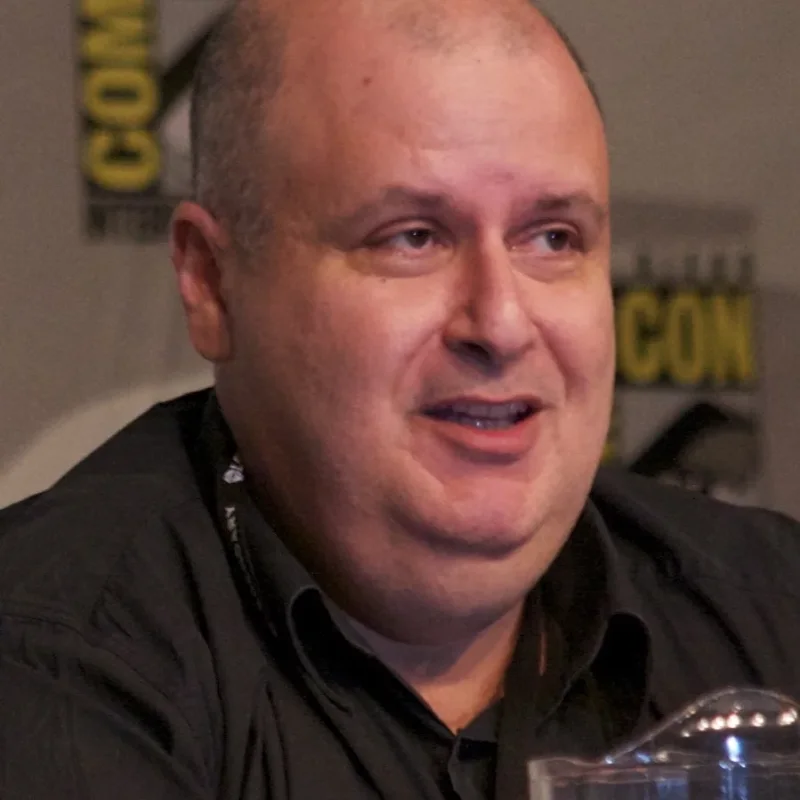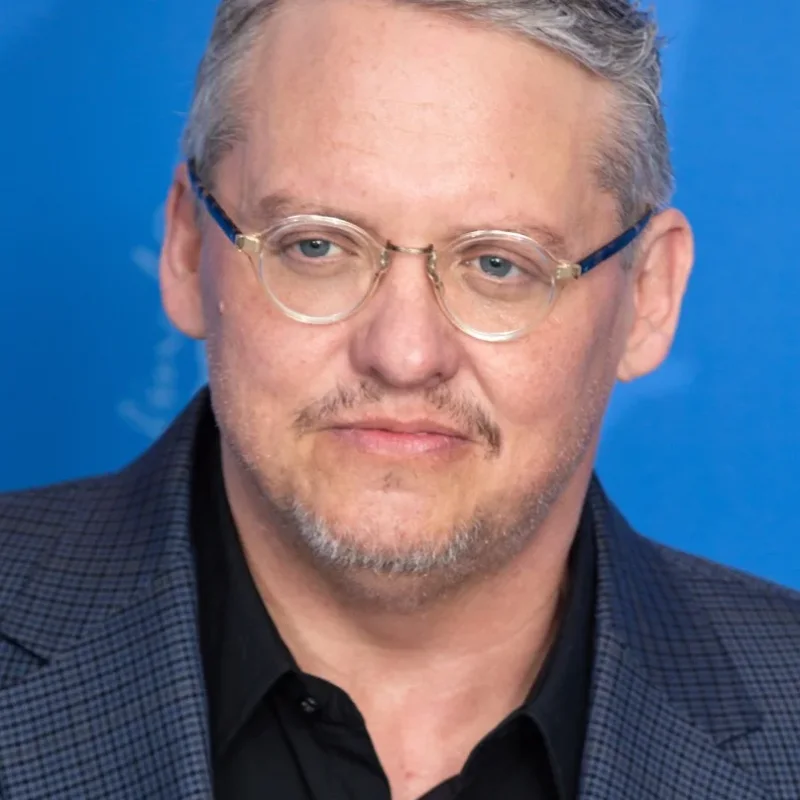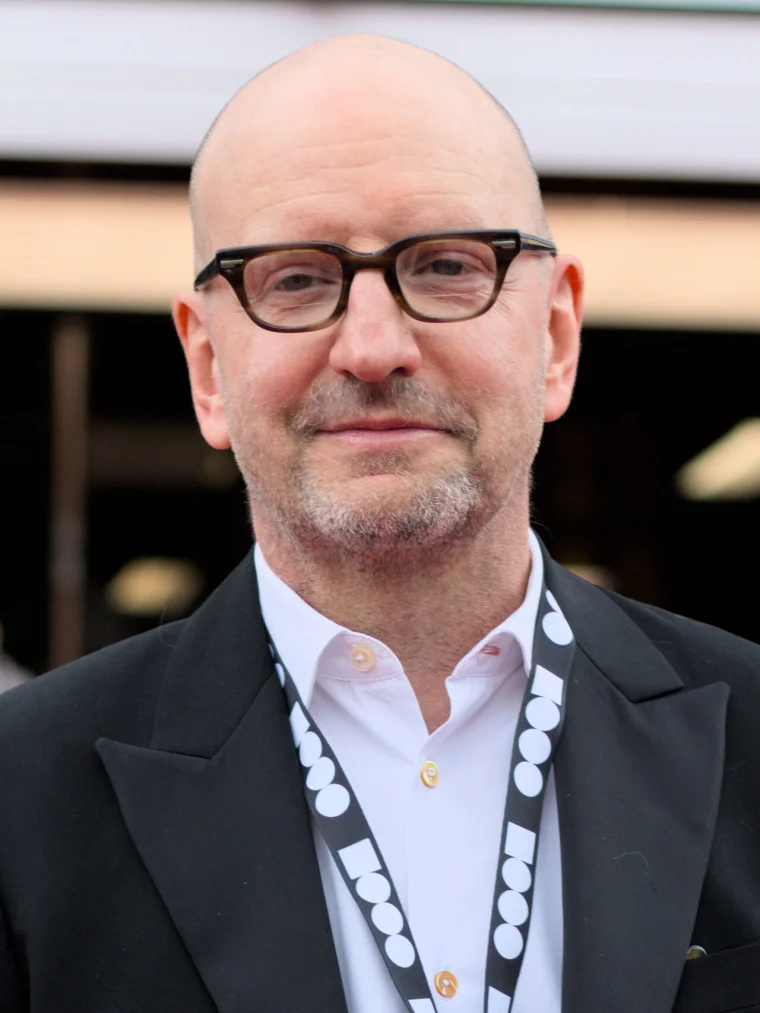
Steven Soderbergh
Director
Oscar-winning director and one of cinema’s most relentless technical experimenters, known for shooting and cutting his own films and embracing every new format from prosumer digital to the iPhone. He treats generative AI as just the latest tool worth getting his hands on — and put it to work in his 2026 John Lennon documentary.
Why this score
How the formula works →- +3.3proHas published AI-made work
- +3.2proUses AI in their work
- +1.6pro3 pro-AI statements (forceful)
Weights, statement counts, the ×1.25 multiplier for having a stake in an AI-impacted field, and the formula’s smoothing are already baked in — the points add up to the score: Strongly Pro-AI · 8.1/10
In his words
There are some people that I have absolute love and respect for that refuse to engage with it. That’s their privilege. But I’m not built that way.
You show me a new tool, I want to get my hands on it and see what’s going on.
I’m only scared of things I don’t understand. So I felt obligated to engage with it.
Biography
Steven Soderbergh (born 1963) broke through in 1989 with his debut feature Sex, Lies, and Videotape, winning the Palme d’Or at Cannes at twenty-six and helping ignite the 1990s independent film movement. He went on to win the Academy Award for Best Director for Traffic and to direct the wildly successful Ocean’s trilogy, moving fluidly between studio spectacle and lean, formally daring experiments.
More than almost any major director, Soderbergh is defined by his appetite for new tools. He routinely serves as his own cinematographer and editor, was an early adopter of digital cameras, and shot entire features on the iPhone. That instinct extends to generative AI: he regards refusing to engage with a new technology as a legitimate personal choice, but not one that suits how he works.
His stance is less manifesto than temperament. Where others draw lines, Soderbergh reaches for the new device to see what it does — a curiosity that has produced some of his most interesting work and that he now points squarely at AI. He is also candid that the moment may pass: he told Variety in April 2026 that “five years from now, we all may be going, ‘That was a fun phase’” and that filmmakers “may end up not using it as much as we thought we were going to.”
The Lennon documentary at Cannes
The talk became practice in May 2026, when his documentary John Lennon: The Last Interview premiered as a Special Screening at Cannes. Roughly ten of its ninety-seven minutes are AI-generated — surreal, abstract imagery rather than any recreation of Lennon — built with generative-video tools from Meta, which also provided completion financing. The film divided the festival, where Guillermo del Toro was vocally opposing AI while Peter Jackson offered a conditional endorsement, and festival leadership moved to exclude films “primarily driven by generative AI” from competition.
Most jobs that matter when you’re making a movie cannot be performed by this tech and never will be.
Soderbergh set himself a test for every AI shot — it has to be necessary, the only way or the truly best way to get the image he wanted — and described himself as “my own whistle blower,” disclosing his AI use precisely because so much of the industry’s remains opaque.
Gallery
Quote sources
- Variety interview, April 2026(variety.com)
- CineD, Cannes 2026(cined.com)
Sources & further reading
Canonical record: https://battlelines.ai/topic/steven-soderbergh