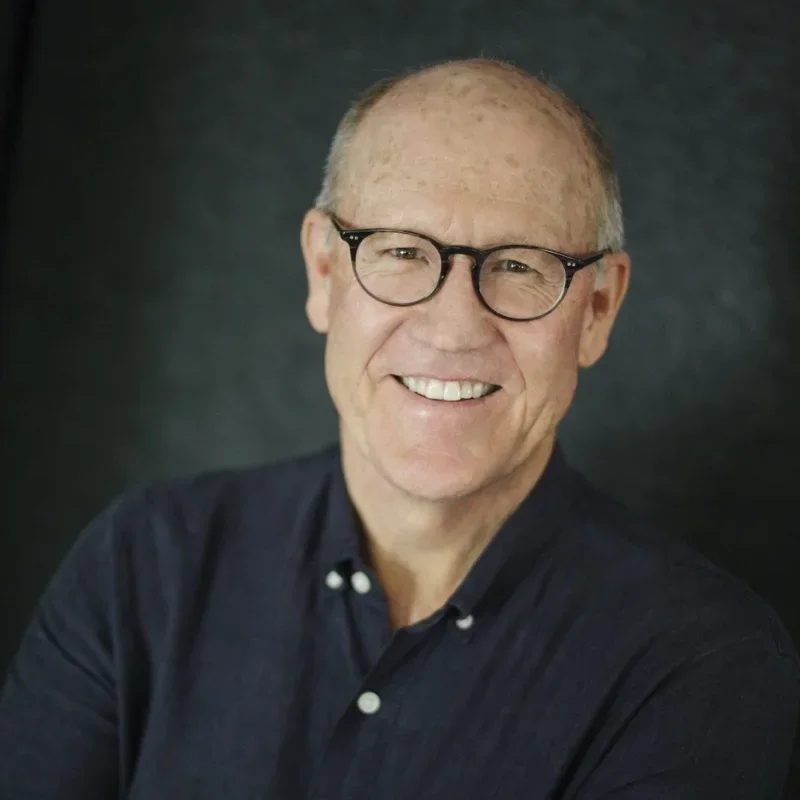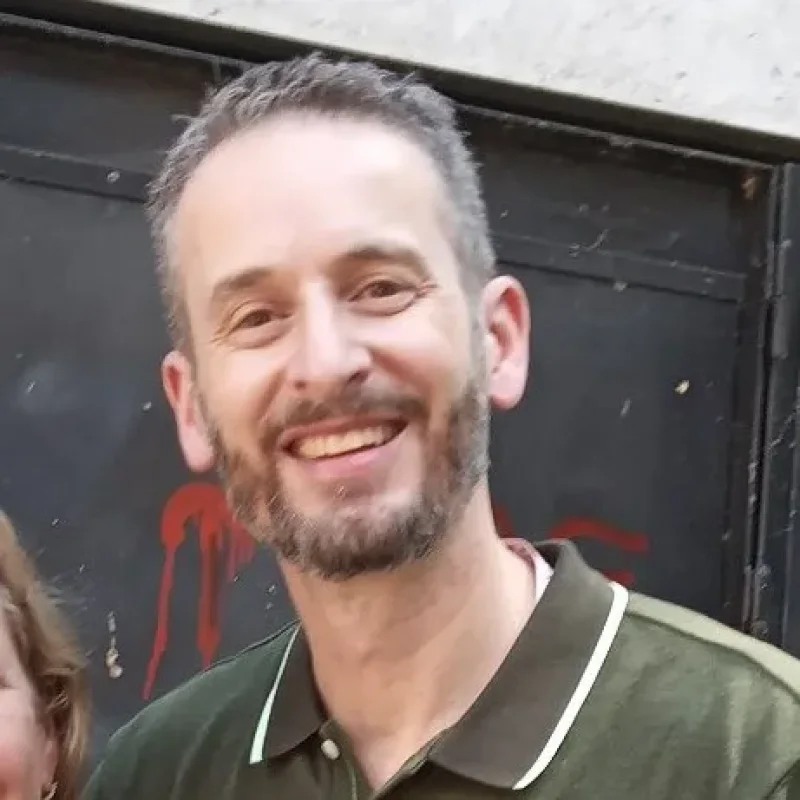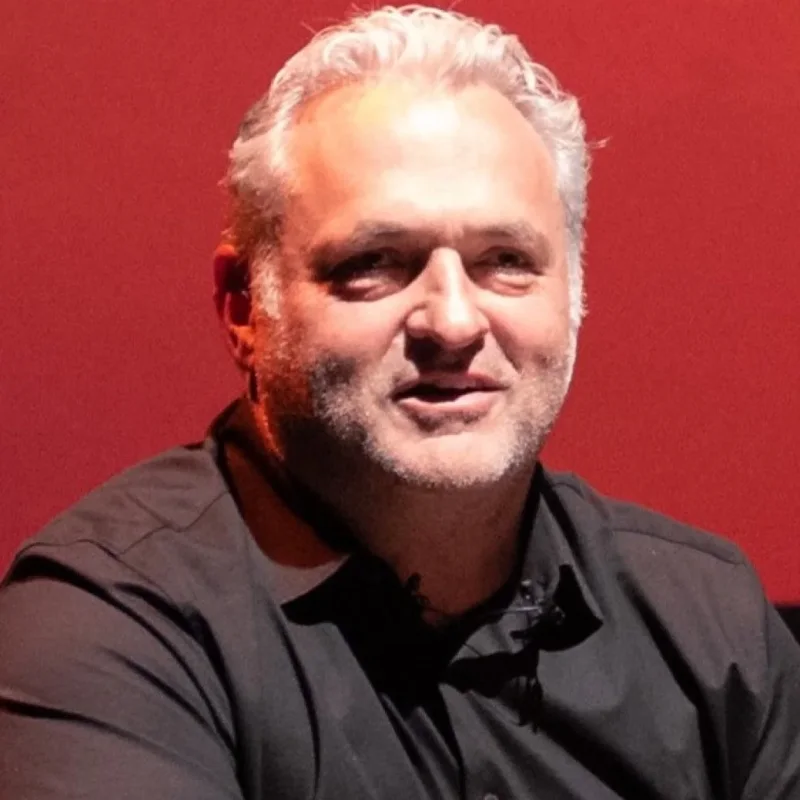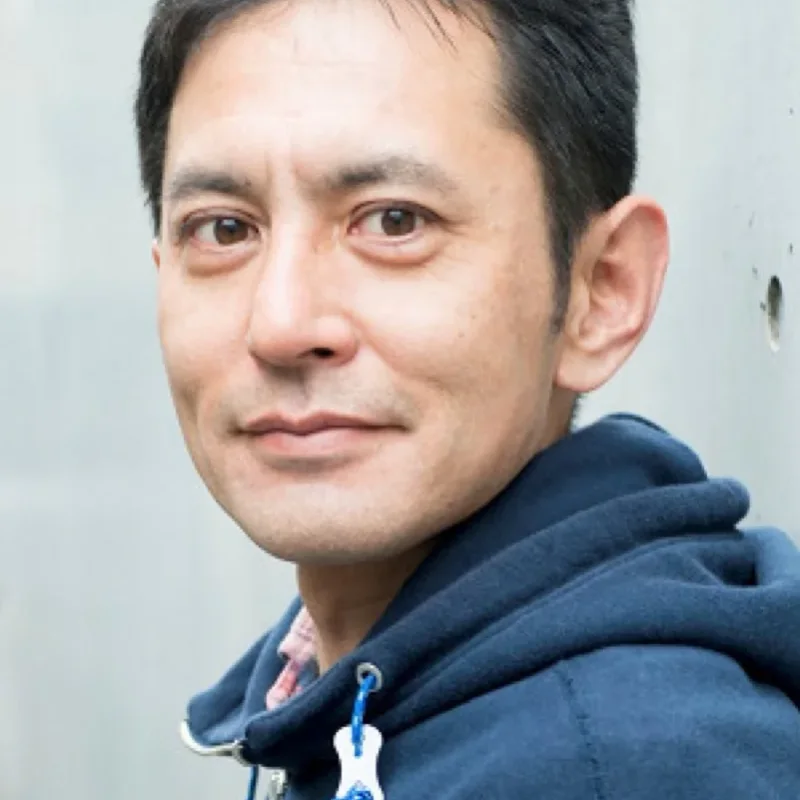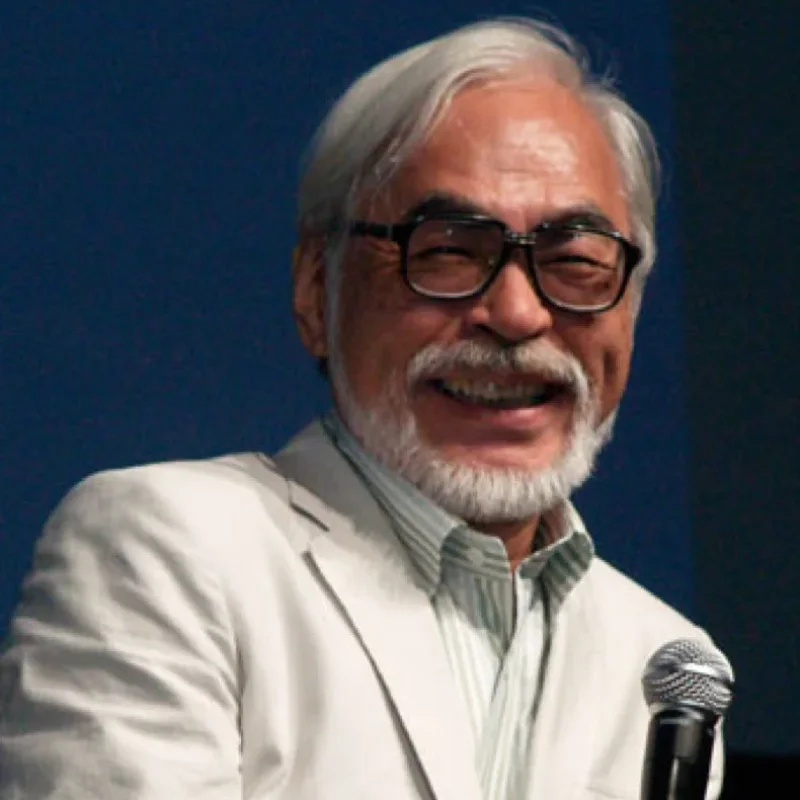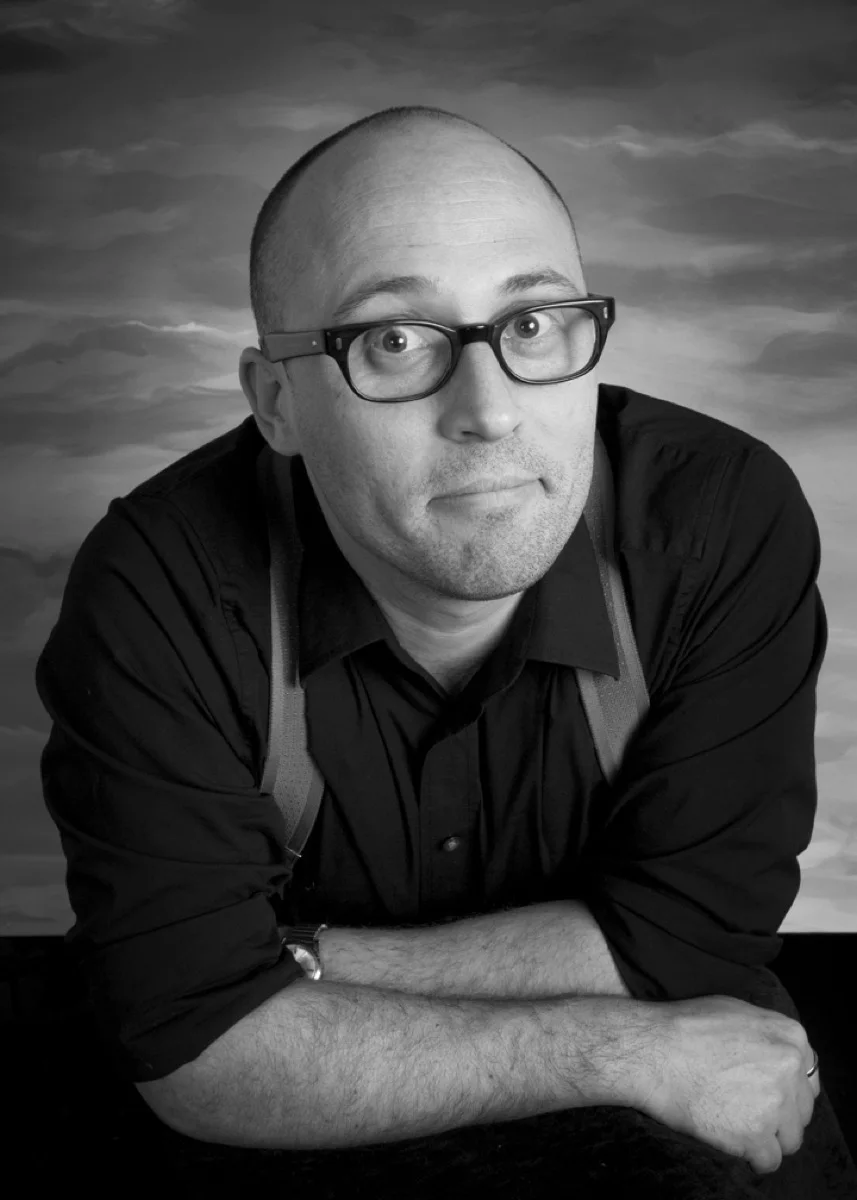
Adam Elliot
Animator & Director
Oscar-winning Australian claymation auteur behind Harvie Krumpet, Mary and Max, and Memoir of a Snail — which he ended with a card reading “this film was made by human beings.” A champion of the handmade against the machine-made.
Why this score
How the formula works →- +1.1anti1 anti-AI statement (mild)
- ±0nuancedHolds a documented two-sided view
Weights, statement counts, the ×1.25 multiplier for having a stake in an AI-impacted field, and the formula’s smoothing are already baked in — the points add up to the score (direction-free evidence pulls toward the middle instead): Leaning Anti-AI · 1.1/10
In his words
Now, with the advent of AI, I think stop motion has never been appreciated as much as it is now.
AI is certainly a worry, but I’m more worried about AI as a writer than a stop motion animator.
Biography
Adam Elliot (born 1972) is an Australian stop-motion director whose intimate, melancholic clay films have earned some of the medium’s highest honours. He won the Academy Award for Best Animated Short for Harvie Krumpet (2003), directed the acclaimed feature Mary and Max (2009), and returned in 2024 with the award-winning Memoir of a Snail.
“Made by human beings”
Memoir of a Snail closes with a pointed credit card: “this film was made by human beings.” In interviews around the film’s release, Elliot argued that the rise of AI has, paradoxically, made painstaking handmade animation more valued than ever. “With the advent of AI, I think stop motion has never been appreciated as much as it is now,” he said, describing a cultural “pendulum… swinging back towards things that are handcrafted.”
His wariness is real but precise. “AI is certainly a worry,” he said, “but I’m more worried about AI as a writer than a stop motion animator” — a nod to the labour-intensive nature of clay animation, which resists automation, and to his belief that we are already “drowning in CGI.” Like fellow stop-motion director Guillermo del Toro, Elliot treats the fingerprints in the clay as the point, not a limitation.
His position is wary rather than oppositional. Elliot says the closing card “wasn’t really meant to be a comment on AI, but I can totally understand it being interpreted that way” — less a denunciation of the machine than a conviction that the human hand carries a value no model can synthesize.
Quote sources
- Film International, 2024(filmint.nu)
Sources & further reading
Canonical record: https://battlelines.ai/topic/adam-elliot