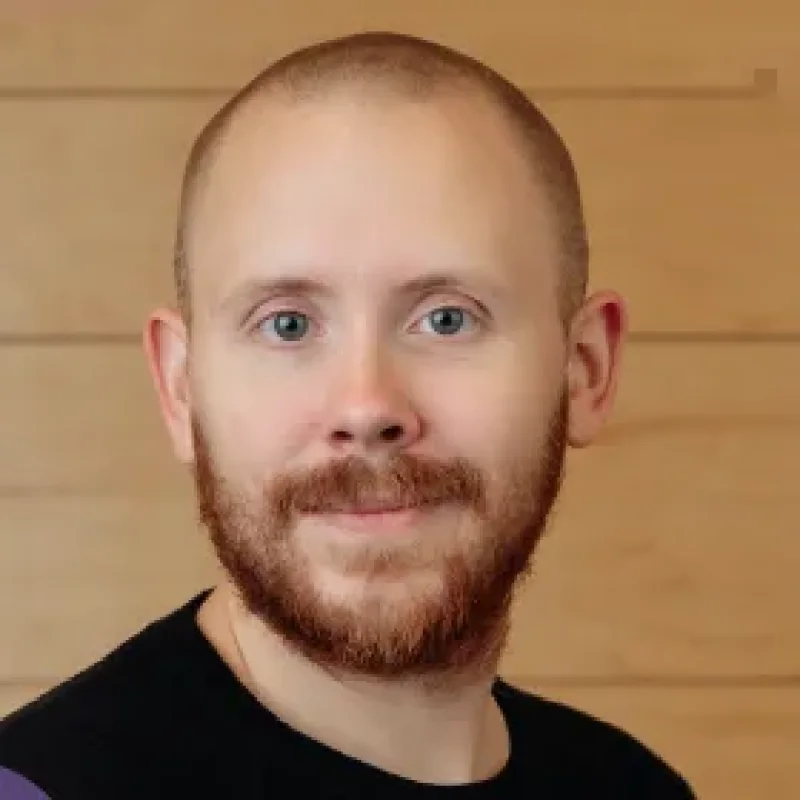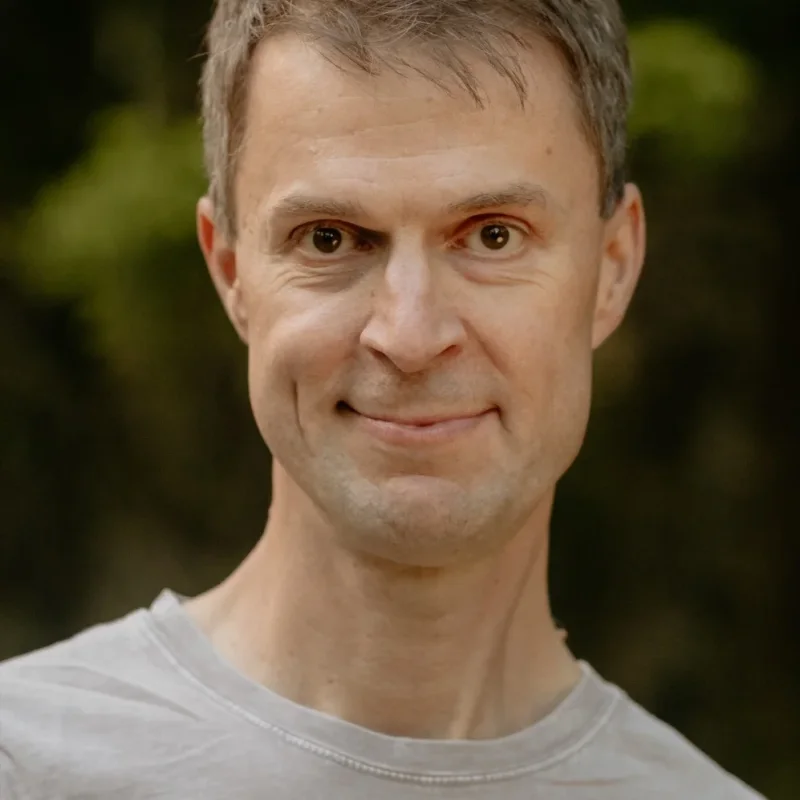
Guillermo Rauch
CEO of Vercel
The Argentine-born creator of Socket.IO and CEO of Vercel — home of Next.js and the AI app-builder v0 — argues that AI will turn a hundred million people into software builders, coders or not.
Why this score
How the formula works →- +5.8proBuilds AI professionally
- +2.1pro4 pro-AI statements (forceful)
Weights, statement counts, the ×1.25 multiplier for having a stake in an AI-impacted field, and the formula’s smoothing are already baked in — the points add up to the score: Strongly Pro-AI · 7.9/10
In his words
GitHub … had this democratization effect of building software, but you still needed to know how to code. What we’re after is social product building … everybody should be able to cook and share what they’re building.
Coding is a specific skill and when things are specific skills, machines tend to take them over time.
I don’t think I would identify today even as a coder, even though that’s what I was obsessed about for years.
Biography
Guillermo Rauch is an Argentine-American engineer who taught himself to program as a kid in Buenos Aires, dropped out of school for the open-source web, and created Socket.IO, the library that brought real-time communication to a generation of web apps. In 2015 he founded the company now called Vercel, steward of Next.js — one of the most widely used web frameworks — and a deployment platform valued in the billions.
Everyone becomes a builder
Rauch has bet Vercel’s next act on AI-generated software. In 2023 the company launched v0, a tool that turns plain-English prompts into working web interfaces, and Rauch became one of the most visible evangelists for the idea that the pool of software builders is about to grow from a few million developers to over a hundred million people. On Lenny Rachitsky’s podcast in April 2025 — an episode titled “Everyone’s an engineer now” — he described v0’s mission as creating a hundred million builders; Vercel’s San Francisco billboards riffed on Ratatouille’s “anyone can cook.”
Speaking on Every’s AI & I podcast in February 2025, he was candid about what that means for his own identity: the craft he obsessed over for years is becoming a machine skill, and the human value moves up the stack — to taste, product judgment, and knowing what to build. Where Andrej Karpathy framed the shift as English becoming a programming language, Rauch is building the commercial infrastructure that assumes it.
Skeptics of the vision note that v0-style tools excel at demos and interfaces while production systems still demand engineers — a critique Rauch partly concedes by positioning v0 as the on-ramp, with professional tooling and review workflows underneath.
Quote sources
- AI & I podcast (Every), 2025(every.to)
- Lenny’s Podcast, 2025(youtube.com)
Sources & further reading
Canonical record: https://battlelines.ai/topic/guillermo-rauch