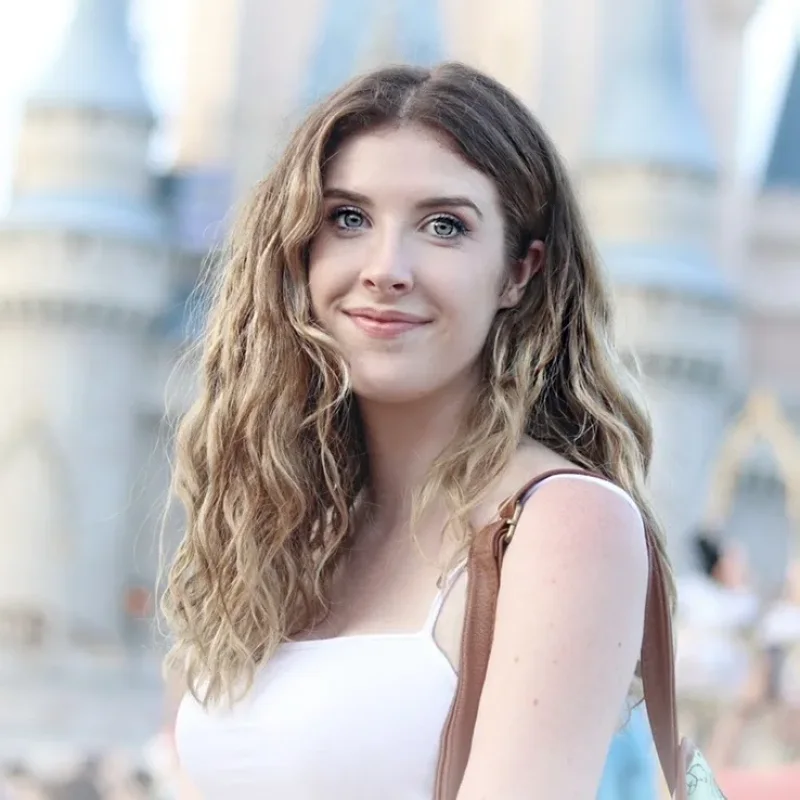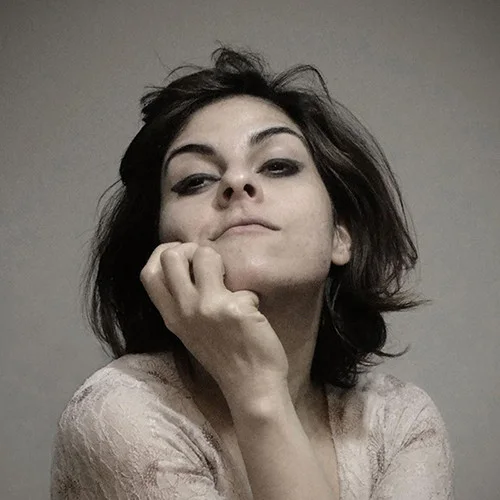
Karla Ortiz
Concept Artist
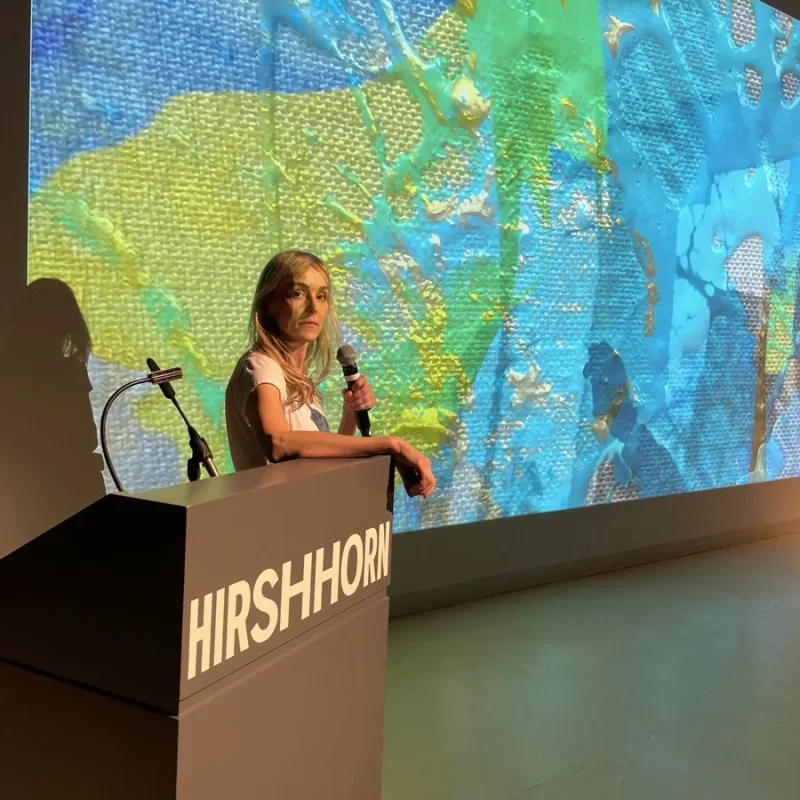
Concept artist behind the look of Marvel’s Doctor Strange, and the lead plaintiff in Andersen v. Stability AI — the landmark artists’ class action against image generators. The most prominent artist-organizer in the fight over AI training.
Why this score
How the formula works →- +3.9antiSued AI companies
- +3.5antiCampaigns against AI
- +1.5anti4 anti-AI statements (forceful)
Weights, statement counts, the ×1.25 multiplier for having a stake in an AI-impacted field, and the formula’s smoothing are already baked in — the points add up to the score: Strongly Anti-AI · 8.9/10
In her words
Almost the entire body of my work, the work of almost every artist I know, and the work of hundreds of thousands of other artists, was taken without our consent, credit or compensation to train these for-profit technologies.
You work your entire life to do what you do as a creative, and for a company to profit off that — literally take your work to train a model that’s attempting to replicate you — it makes me sick.
Biography
Karla Ortiz is a Puerto Rican–born concept artist and illustrator whose designs shaped major Hollywood productions — most famously the on-screen look of Doctor Strange for Marvel Studios — with credits spanning Industrial Light & Magic, HBO, Ubisoft, and Magic: The Gathering. She was, by any measure, exactly the kind of working artist image generators learned from.
From portfolio to plaintiff
In January 2023, Ortiz joined Sarah Andersen and Kelly McKernan to file Andersen v. Stability AI, the first major class action by artists against Stability AI, Midjourney, and DeviantArt, alleging their image generators were trained on billions of scraped images — including nearly her entire body of work — without consent. That July she testified before the Senate Judiciary Committee, putting a working artist’s face on the training-data question for lawmakers.
Beyond the courtroom, Ortiz became the movement’s chief organizer: advocating alongside the Concept Art Association and its lobbying fund, championing protective tools like Glaze and Nightshade that shield artwork from scraping, and pressing her argument — that the entire issue “boils down to consent” — in venues from Forbes to the White House’s orbit. In 2024 a federal judge allowed core copyright claims in the Andersen suit to proceed, a significant early win.
Her critique is economic as much as legal: the promise of automation was to free humans for creative work, she notes — so automating creativity itself asks artists to accept a future in which the machines were built from their portfolios and aimed at their jobs.
Quote sources
- U.S. Senate Judiciary testimony, 2023(judiciary.senate.gov)
- The Hollywood Reporter, 2023(hollywoodreporter.com)
Sources & further reading
- U.S. Senate Judiciary Committee: Written Testimony of Karla Ortiz (2023)
- The Hollywood Reporter: AI Scraping or Stealing? A Legal Copyright Reckoning Looms (2023)
- Forbes: Artist and Activist Karla Ortiz on the Battle to Preserve Humanity in Art (2024)
- CBS News: Artists sue AI company, alleging “parasite” app used their work for free (2023)
Canonical record: https://battlelines.ai/topic/karla-ortiz