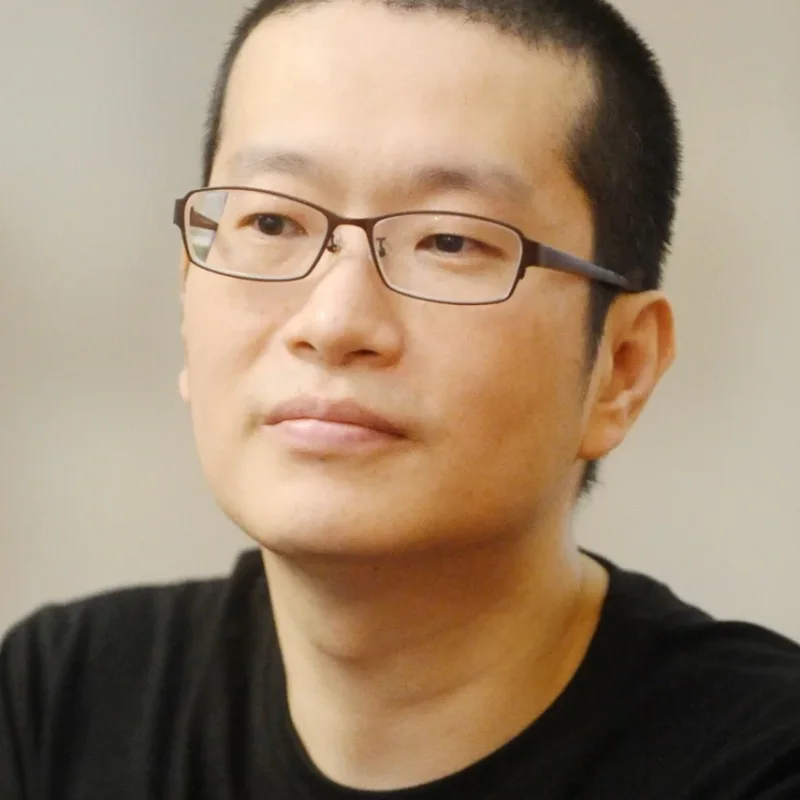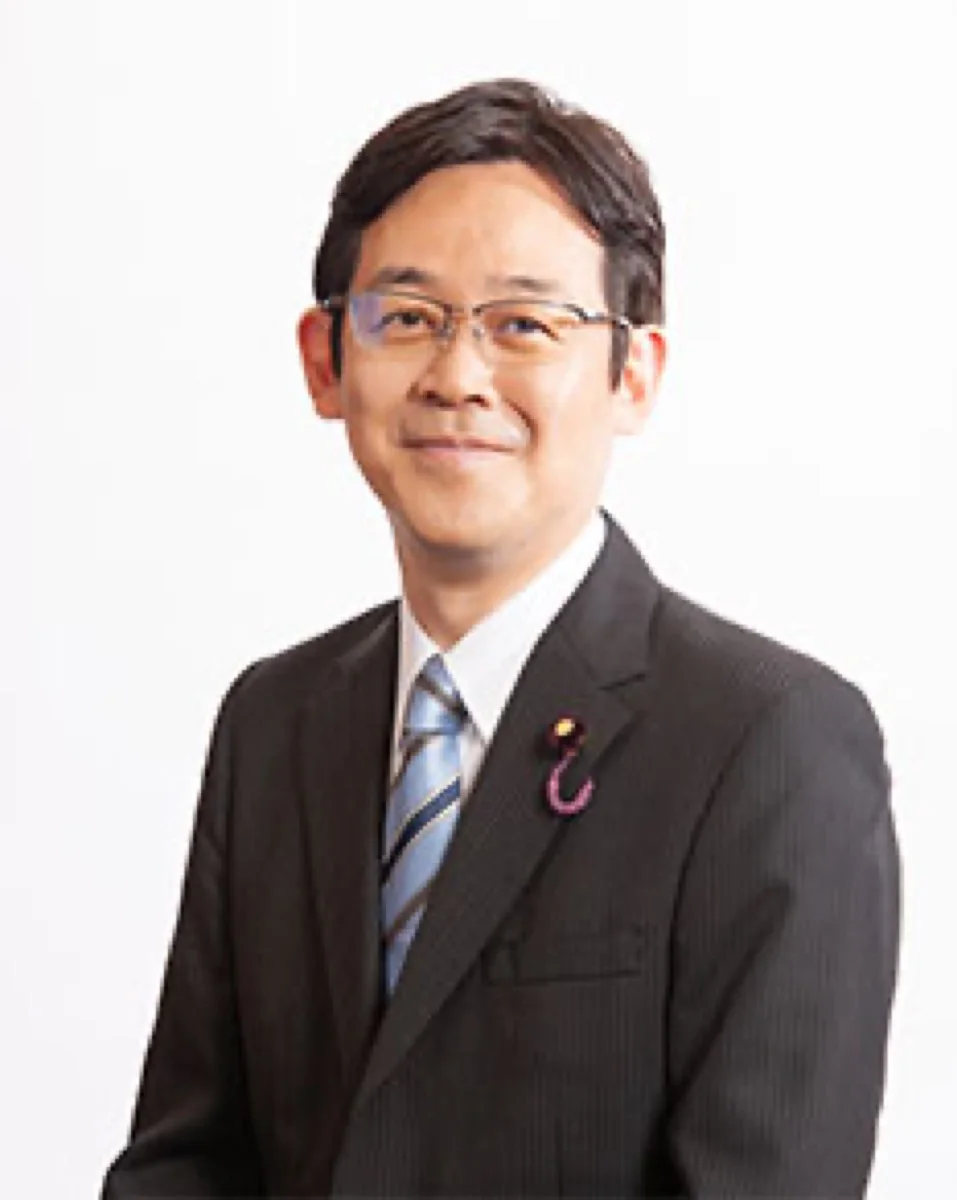
Ken Akamatsu
Mangaka & Legislator
Love Hina creator and the first manga artist elected to Japan’s legislature; defends Japan’s permissive AI training laws against heavy-handed regulation while floating opt-outs and licensing to compensate illustrators.
Why this score
How the formula works →- +3.9proCampaigns for AI adoption
- +1.1pro2 pro-AI statements (forceful)
- ±0nuancedHolds a documented two-sided view
- ±0nuancedSupports AI only with conditions
Weights, statement counts, the ×1.25 multiplier for having a stake in an AI-impacted field, and the formula’s smoothing are already baked in — the points add up to the score (direction-free evidence pulls toward the middle instead): Firmly Pro-AI · 5.0/10
In his words
While the United States, premised on fair use, carries litigation risk, Japan’s risk when it comes to training is low — so this is a rare chance for Japan to win. (translated from Japanese)
I think it would be good if illustrators could be paid or opted out.
Biography
Ken Akamatsu (born 1968 in Nagoya) drew his way to fame with Love Hina (1998), a romantic comedy that became a global bestseller, followed by Negima! and UQ Holder. A longtime campaigner against censorship of manga and for creators’ rights — he founded the free legal manga archive J-Comi, later Manga Library Z — he made history in July 2022 as the first mangaka ever elected to Japan’s House of Councillors.
Japan’s AI-friendly path, with guardrails
Akamatsu entered the Diet just as generative image models set the illustration world on fire, and he became the government’s most fluent voice on the issue. Japan’s copyright law is among the world’s most permissive for AI training, and Akamatsu has defended that competitive environment, opposing rushed, heavy-handed regulation that could smother a technology in which Japan hopes to lead. He frames the anxiety of artists with a question he says illustrators keep asking: what will be done with the culture and data they created?
His prescription is soft infrastructure rather than bans: national guidelines, systems letting illustrators opt out of training datasets, and licensing schemes through which AI companies would return revenue to the artists whose work trains commercial models — telling Nikkei that AI companies should share revenue with manga artists. He has also noted that under existing Japanese law, AI output that shows similarity and reliance on an existing work can already infringe copyright, with liability potentially reaching model developers.
Anti-AI artists in Japan and abroad have criticized the opt-out approach as putting the burden on creators, while some AI advocates bristle at any levy at all — leaving Akamatsu in the pragmatic middle, arguing Japan can keep its permissive edge and still pay its illustrators.
Quote sources
- ASCII.jp interview, 2023(ascii.jp)
- Rest of World, 2023(restofworld.org)
Sources & further reading
- Rest of World: Japanese lawmakers try to shield manga artists from generative AI (2023)
- Nikkei Asia: AI companies should share revenue with manga artists — Japan lawmaker
- Siliconera: Manga artist Ken Akamatsu discusses Japanese copyright law and AI (2023)
- ASCII.jp: Ken Akamatsu — “Image-generating AI is a rare chance for Japan to win” (2023)
Canonical record: https://battlelines.ai/topic/ken-akamatsu