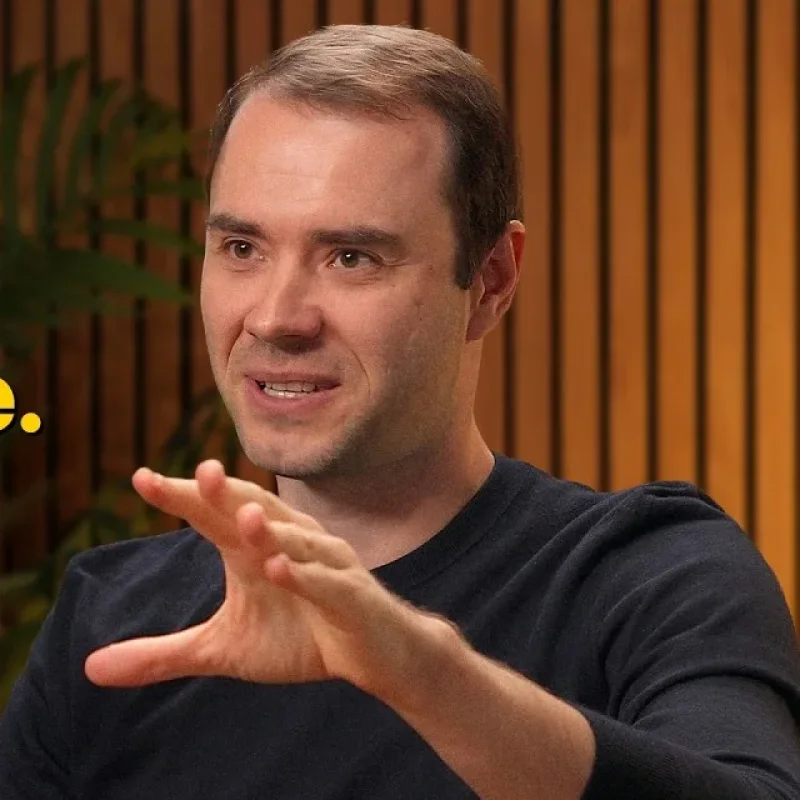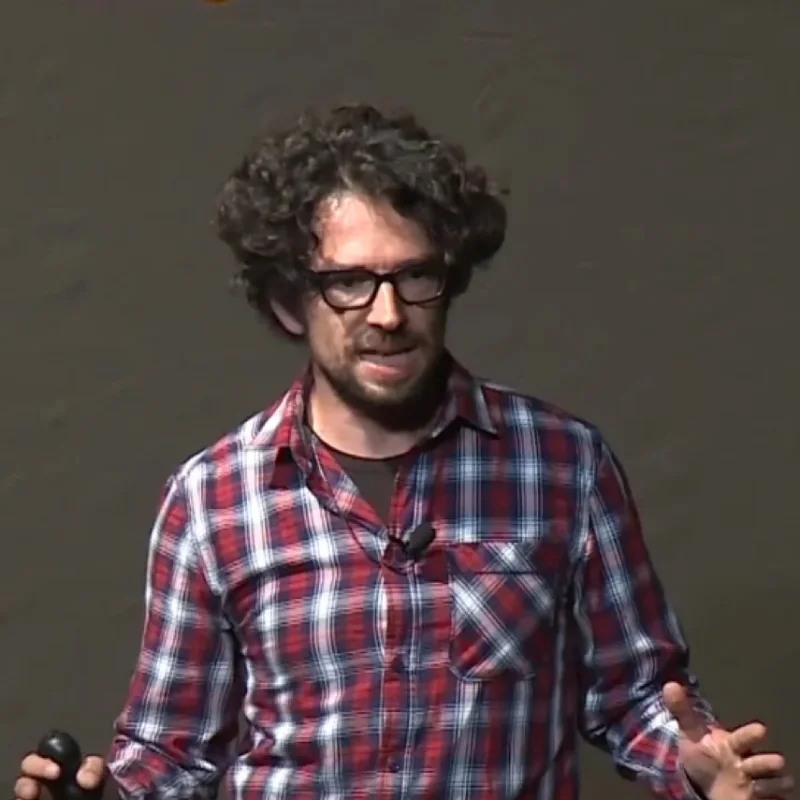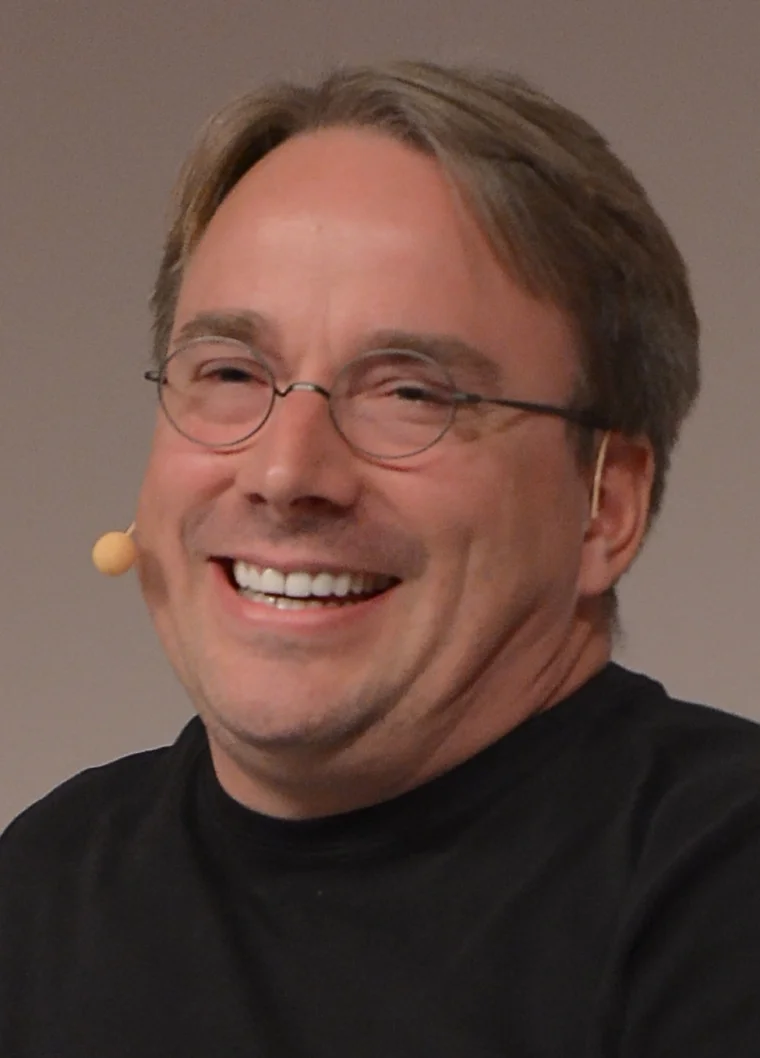
Linus Torvalds
Software Engineer
Creator of the Linux kernel and Git, and arguably the most influential programmer alive. A famous skeptic of hype, he has moved from measured optimism about AI as a developer tool to putting his foot down as top-level maintainer: Linux “is not one of those anti-AI projects.”
Why this score
How the formula works →- +3.7pro6 pro-AI statements (forceful)
- ±0nuancedHolds a documented two-sided view
Weights, statement counts, the ×1.25 multiplier for having a stake in an AI-impacted field, and the formula’s smoothing are already baked in — the points add up to the score (direction-free evidence pulls toward the middle instead): Firmly Pro-AI · 3.7/10
In his words
So my approach to LLMs really has been that, hey, this is wonderful.
So I do think that LLMs are going to be a big, you call them disparagingly, like autocorrects on steroids. And I actually think that they’re way more than that. And how most people work is, we all are autocorrects on steroids to some degree. And I see that as a tool that can help us be better at what we do. But I’ve always been optimistic. The whole hopeful, what’s the word?
Making the tools smarter is not a bad thing.
I see the bugs that happen without them every day. So that may be why I’m not so worried.
Biography
Linus Torvalds (born 1969) is the Finnish-American engineer who created the Linux kernel in 1991 and later Git — two pieces of infrastructure that between them run most of the world’s servers, all of its top supercomputers, every Android phone, and the daily workflow of essentially every software developer. Few people have shaped modern computing more.
He is also a constitutional skeptic of hype, which makes his openness to AI all the more telling. Speaking about large language models, Torvalds has been pragmatic and optimistic about them as engineering tools — pointing to bug-finding as an area where they could “shine,” shrugging off fears about AI-introduced errors, and welcoming smarter tooling rather than fearing it.
That’s certainly one of the areas which I see them really being able to shine, to find the obvious stupid bugs.
His enthusiasm is deliberately measured: he “hates the hype,” has urged everyone to “wait 10 years and see where it actually goes” before the grand pronouncements, and bristles at claims that AI already writes most code. But the through-line is consistent — AI is a genuinely useful tool, and Torvalds, who has spent his life building better tools, is glad to have it.
Putting his foot down
In July 2026, the measured optimism hardened into policy. Amid a kernel mailing-list debate over AI tooling in kernel development — one that had spilled into contributors attacking each other for using AI at all — Torvalds stepped in as top-level maintainer and settled the question, in a message first reported by Phoronix.
I realize that some people really dislike AI, but this is an area where I’m willing to absolutely put my foot down as the top-level maintainer.
The message is striking for how little it hedges. The man who told the world to wait a decade before the grand pronouncements now considers the basic usefulness question closed — and made clear that anyone who disagrees is welcome to exercise the open-source option.
Linux is not one of those anti-AI projects, and if somebody has issues with that, they can do the open-source thing and fork it. Or just walk away.
AI is a tool, just like other tools we use. And it’s clearly a useful one. It may not have been that “clearly” even just a year ago, but it’s no longer in question today.
He also drew a line under how such decisions get made in the kernel community — the same line he has held for thirty years. It is not a culture-war position; it is an engineering one.
This is NOT some kind of “social warrior” project, never has been, and never will be. In the kernel community we do open source because it results in better technology, not because of religious reasons. And so we make decisions primarily based on technical merit. Not fear of new tools.
The exchange lit up developer communities — the r/LocalLLaMA thread on it framed the message as Torvalds telling people to stop attacking others for using AI. Notably, he wasn’t mandating anything: nobody is forced to use these tools. He was defending the people who choose to.
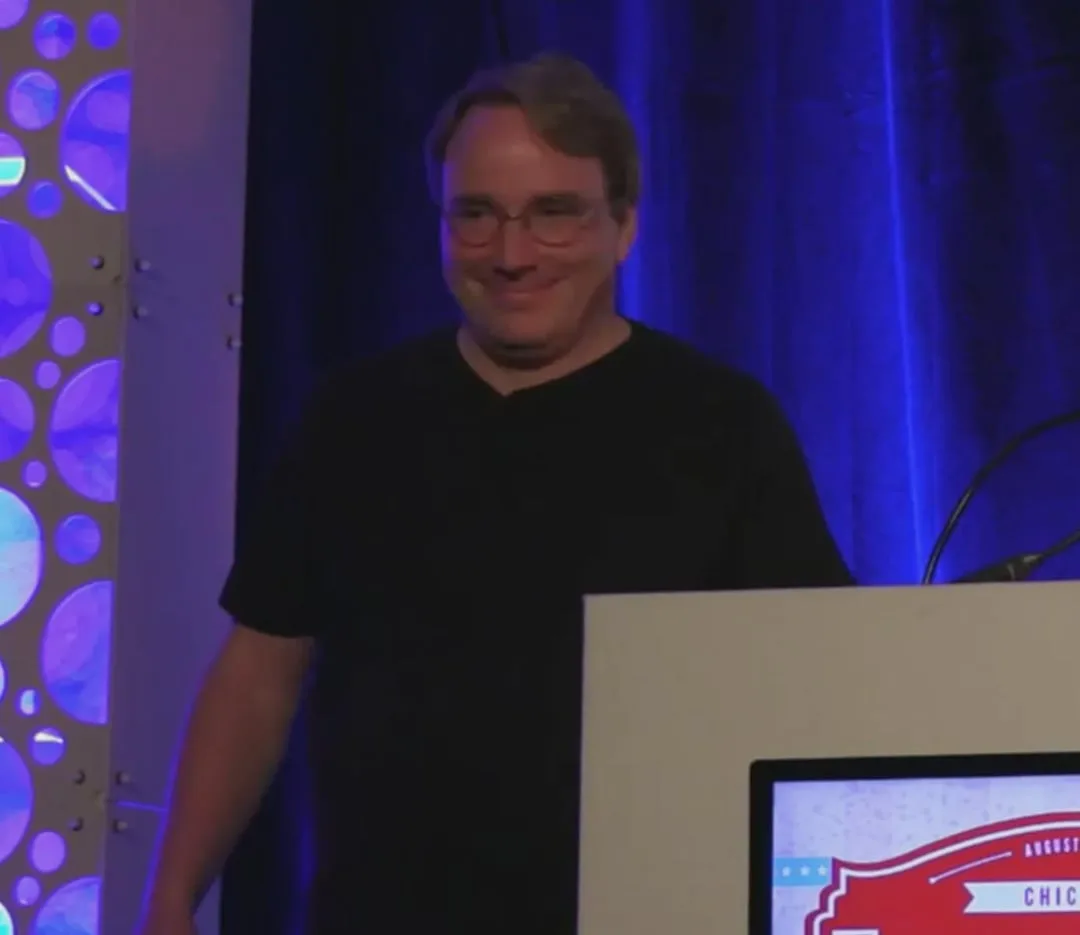
Gallery
Quote sources
- Linux kernel mailing list, July 2026 (via Phoronix)(phoronix.com)
- Open Source Summit, December 2023(blog.mathieuacher.com)
- Open Source Summit North America, April 2024(linux.slashdot.org)
Sources & further reading
Canonical record: https://battlelines.ai/topic/linus-torvalds