Tag
16 subjects · 8 pro-AI · 8 anti-AI
Showing 16 profiles · 8 pro-AI · 8 anti-AI
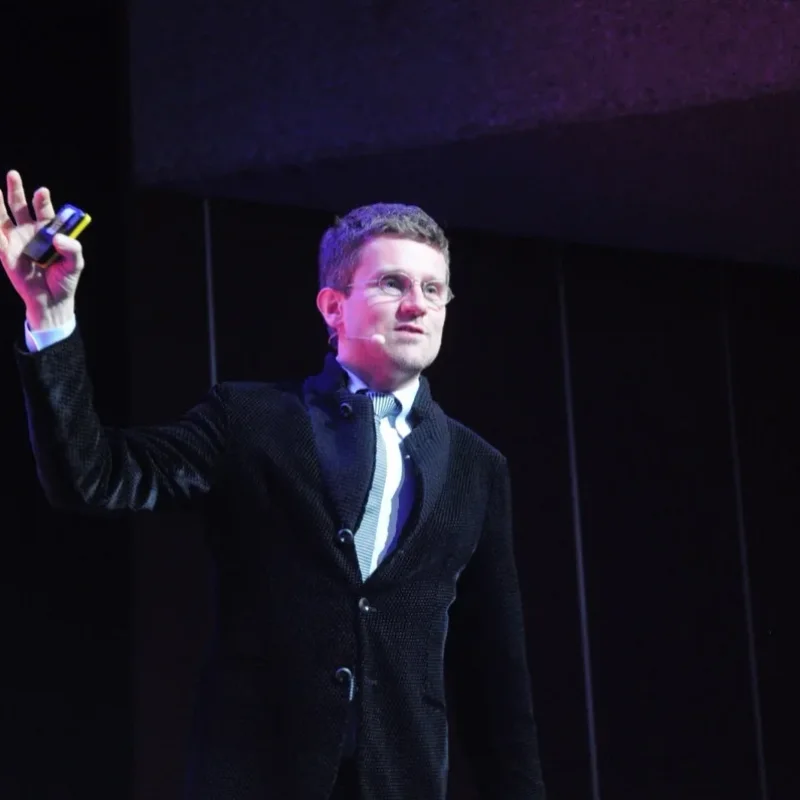
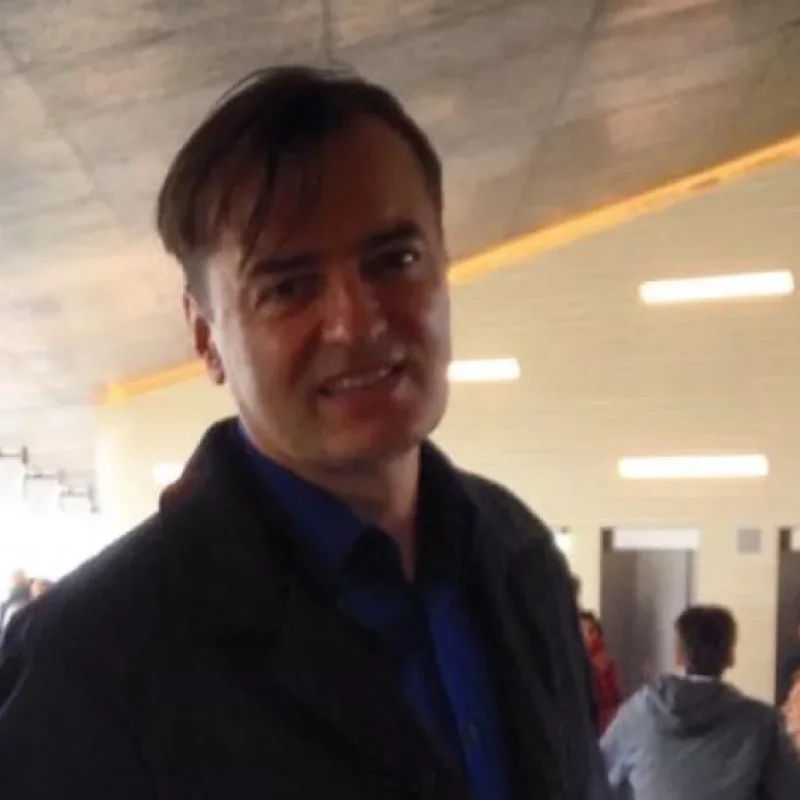
Architect, MIT Senseable City Lab director
The MIT urbanist and architect curated the 2025 Venice Architecture Biennale under the theme “Intelligens: Natural. Artificial. Collective.” — placing AI at the heart of world architecture’s biggest event.
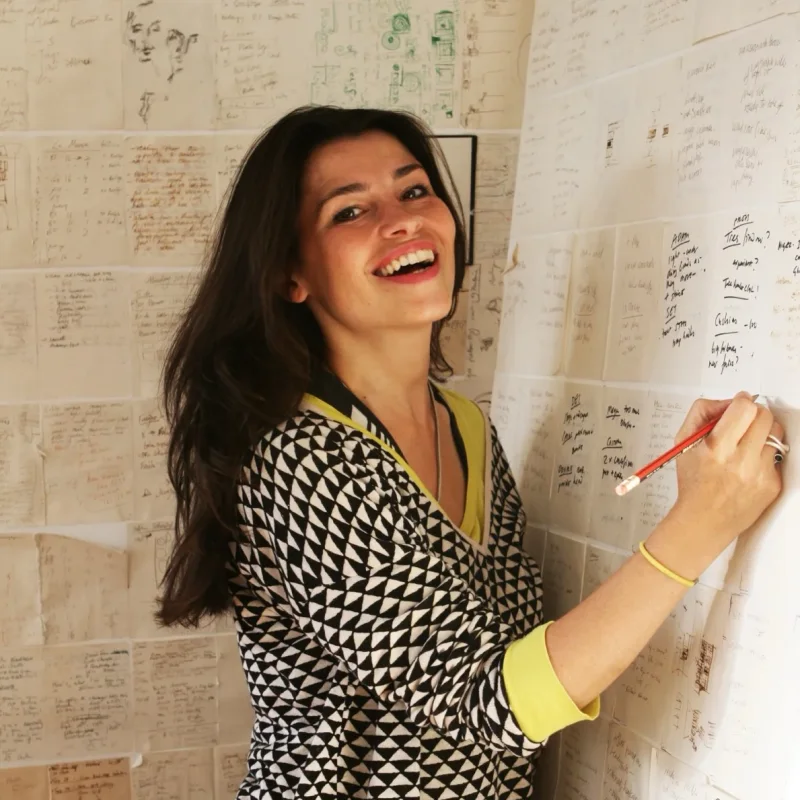
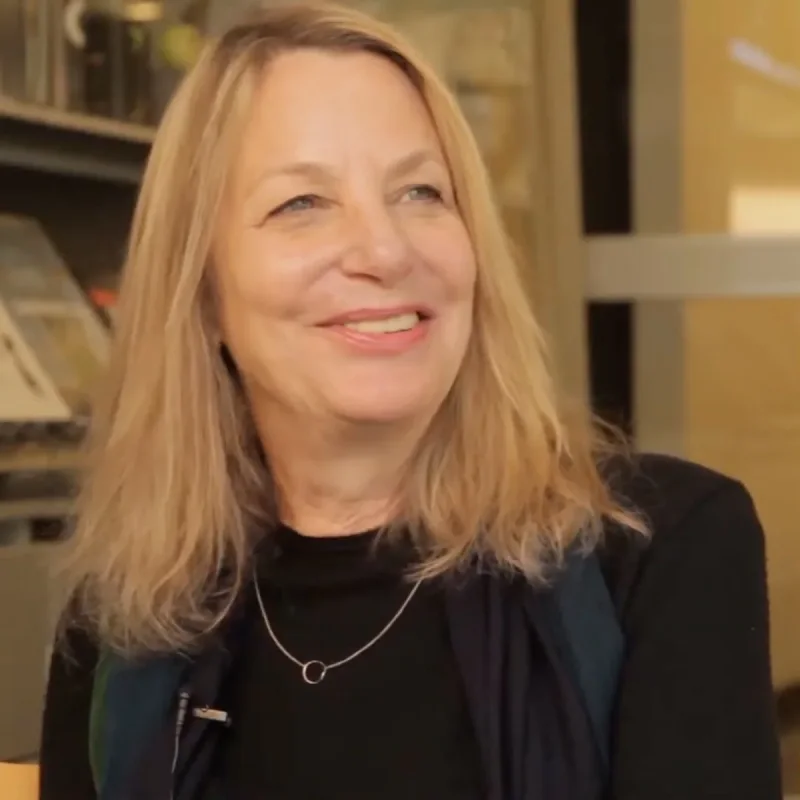
Artist and Stage Designer
The world’s most celebrated stage designer — Beyoncé, U2, the Super Bowl, Olympic ceremonies — has kept AI in her practice since 2016, co-creating POEMPORTRAITS with Google and an AI-poetry pavilion at the Dubai Expo.
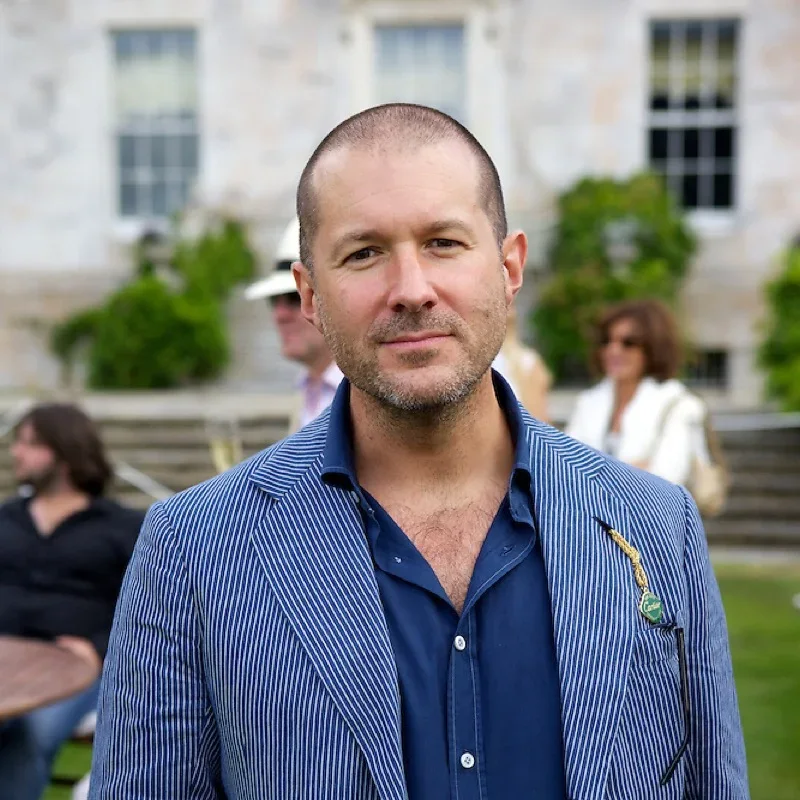
Designer, former Apple Chief Design Officer
The designer of the iMac, iPod, and iPhone bet his post-Apple career on AI: OpenAI acquired his hardware startup io for roughly $6.5 billion in 2025, with his firm LoveFrom leading design of a new family of AI devices.
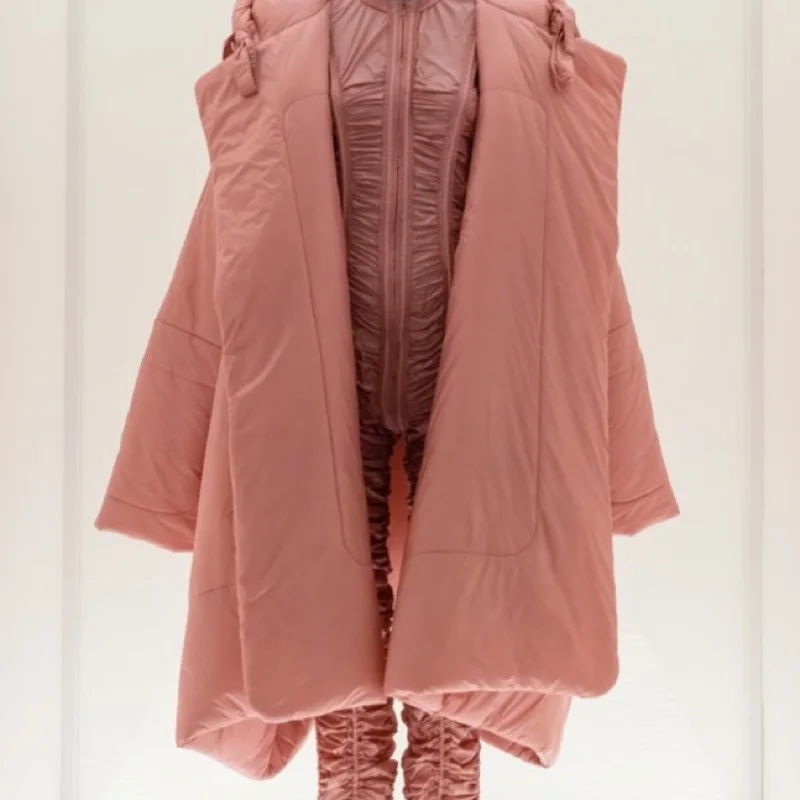
Fashion Designer
The legendary American designer behind the sleeping bag coat went back to school at MIT in her late 70s, then built a proprietary AI model trained on her 57-year archive — declaring “AI could be my Karl Lagerfeld.”
Architect, principal of Zaha Hadid Architects
The principal of Zaha Hadid Architects revealed in 2023 that “most” ZHA projects use DALL-E, Midjourney, and Stable Diffusion for early design ideation — and claims authorship of the results without apology.
Graphic Designer, Pentagram partner
One of the most influential graphic designers alive, Scher unapologetically defended her Pentagram team’s use of Midjourney to generate 1,500 icons for the US government’s Performance.gov redesign amid fierce backlash in 2024.
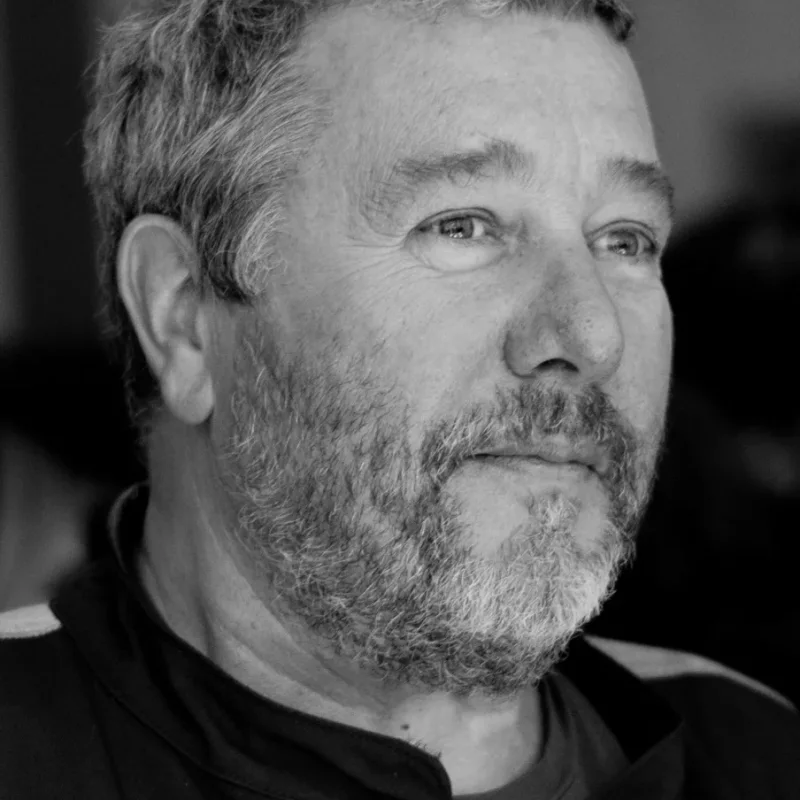
Designer
France’s most famous designer created the A.I. chair for Kartell with Autodesk’s generative software — billed as the first production chair designed with artificial intelligence — and champions AI as a way to design more with less.
Industrial Designer, founder of fuseproject
The Swiss-born star of humanitarian industrial design (One Laptop Per Child, Jawbone) designed ElliQ, the AI companion robot for isolated elders, and has published his own principles for making AI serve human good.
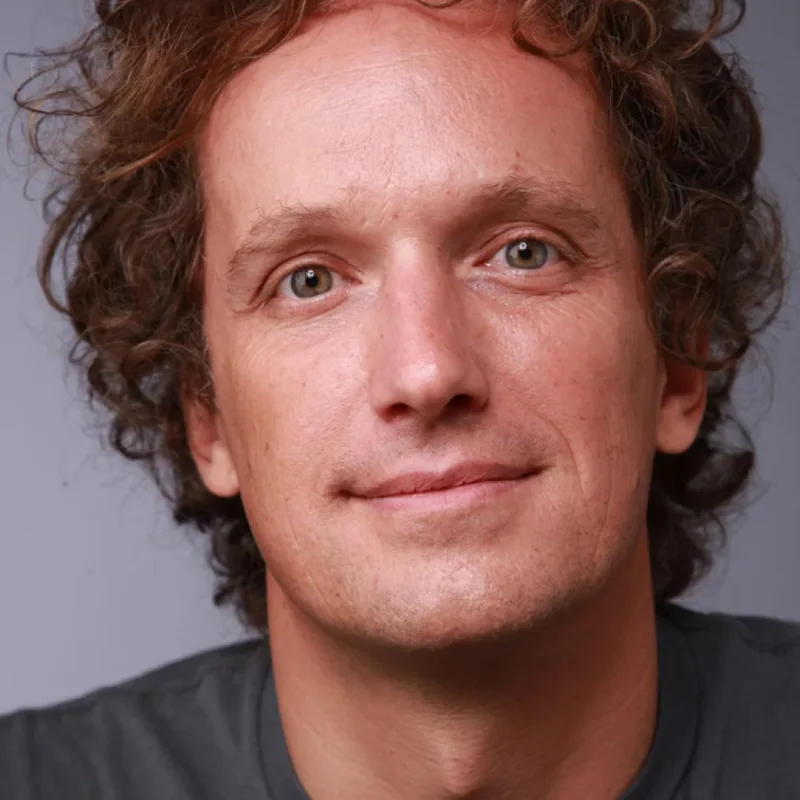
Illustrator & Tech Reviewer
Cleveland illustrator and YouTube’s go-to drawing-tablet reviewer (900K+ subscribers), whose 2026 essay “My Thoughts On Generative AI” laid out a working artist’s case against AI trained on unlicensed art: “I own my art. If you want to make money off it, too, you need to pay me.”
Designer and host of Design Matters
The designer, author, and host of the long-running podcast Design Matters argues that AI can imitate a style but cannot make meaning, insisting that creative value lives in human experience the machine can never have.
Graphic designer and author
The provocateur graphic designer behind decades of raw, hand-drawn posters made one of the design world’s bluntest cases against generative AI, arguing that the creative future belongs to those who refuse it, not those who master it.
Architecture critic, creator of McMansion Hell
The architecture critic behind McMansion Hell dismantled the idea that AI would “disrupt” architecture, arguing its images are conservative, derivative, and — because AI has no body and no stake in place — the “death of everything that makes architecture interesting.”
Architect, historian, and author
The American architect and historian issued one of the profession’s bluntest anti-AI manifestos, vowing to “take to the barricades” against generative design and arguing that experienced human designers cannot be matched by an algorithm.
Architect, founder of Foster + Partners
One of the world’s most influential high-tech architects says the profession does not need AI — that the technology “has the ability to deceive, to invent,” and that the physical reality of buildings and streets cannot be replicated by a machine.
Designer, founder of Heatherwick Studio
The British designer behind the Vessel and Google’s London HQ argues that AI can only regurgitate existing forms — that it will build “very boring buildings” because, unlike a human designer, it cannot suffer, love, or hold a point of view.
Illustrative designer
A veteran “illustrative designer” and educator, Glitschka publicly ridiculed Adobe’s generative vector feature as “Text to Clip-Art” and warned that prompt-based shortcuts rob young designers of the foundational craft they need.