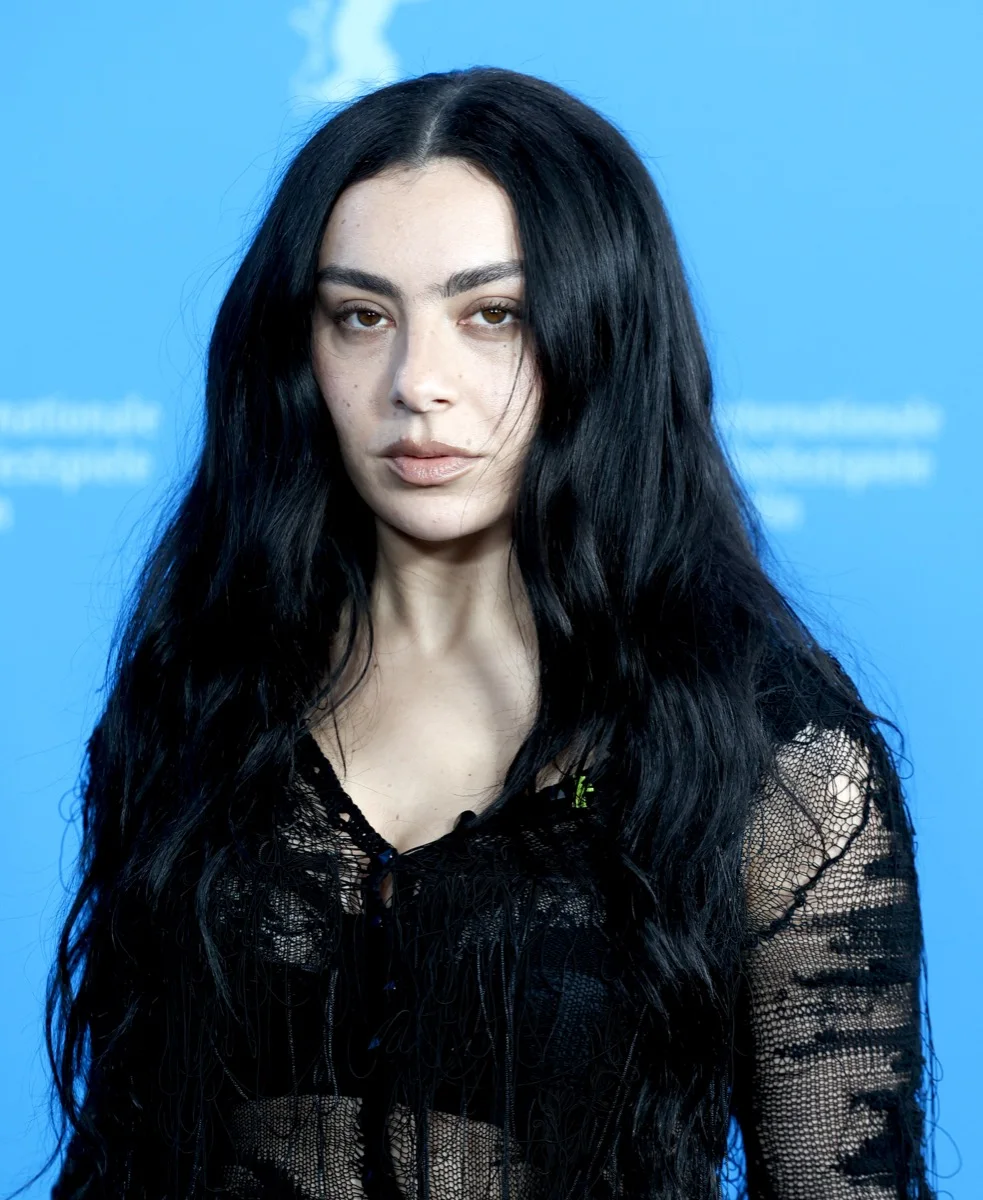
Charli XCX
Musician
Hyperpop auteur behind “Brat” who — cautiously and on her own terms — licensed her AI voice clone to YouTube’s Dream Track experiment in 2023, calling it a window into creative opportunities not yet understood.
Why this score
How the formula works →- +4.1proLicenses their data for AI training
- +0.8pro1 pro-AI statement (measured)
- ±0nuancedHolds a documented two-sided view
Weights, statement counts, the ×1.25 multiplier for having a stake in an AI-impacted field, and the formula’s smoothing are already baked in — the points add up to the score (direction-free evidence pulls toward the middle instead): Firmly Pro-AI · 4.9/10
In her words
When I was first approached by YouTube I was cautious and still am, AI is going to transform the world and the music industry in ways we do not yet fully understand. This experiment will offer a small insight into the creative opportunities that could be possible and I’m interested to see what comes out of it.
Biography
Charli XCX (born Charlotte Emma Aitchison, 1992) went from posting songs on Myspace as a teenager to writing era-defining pop — “I Love It,” “Boom Clap,” “Fancy” — before pushing the genre’s bleeding edge with the PC Music circle and producers A. G. Cook and SOPHIE. Her 2024 album “Brat” became a full-blown cultural phenomenon, making her one of the most influential figures in experimental pop.
A cautious yes to the voice clone
In November 2023 Charli became one of nine artists — with Troye Sivan, her future “Talk talk” collaborator, and Sia — to license an AI clone of her singing voice to Dream Track, YouTube’s experiment built on Google DeepMind’s Lyria model, which let US creators generate 30-second songs in a participating artist’s voice for Shorts. Her launch statement was the most guarded of the group: she signed up while openly saying she remained cautious.
That hedge is characteristic. Charli’s whole catalogue treats new technology as raw material — pitch-shifted vocals, synthetic textures, internet-native aesthetics — and Dream Track fits the pattern of experimenting with a tool before deciding what it means. Rather than sign protest letters or refuse on principle, she opted in to a consent-based, licensed pilot to see the technology from the inside.
Quote sources
- Music Business Worldwide, 2023(musicbusinessworldwide.com)
Sources & further reading
Canonical record: https://battlelines.ai/topic/charli-xcx