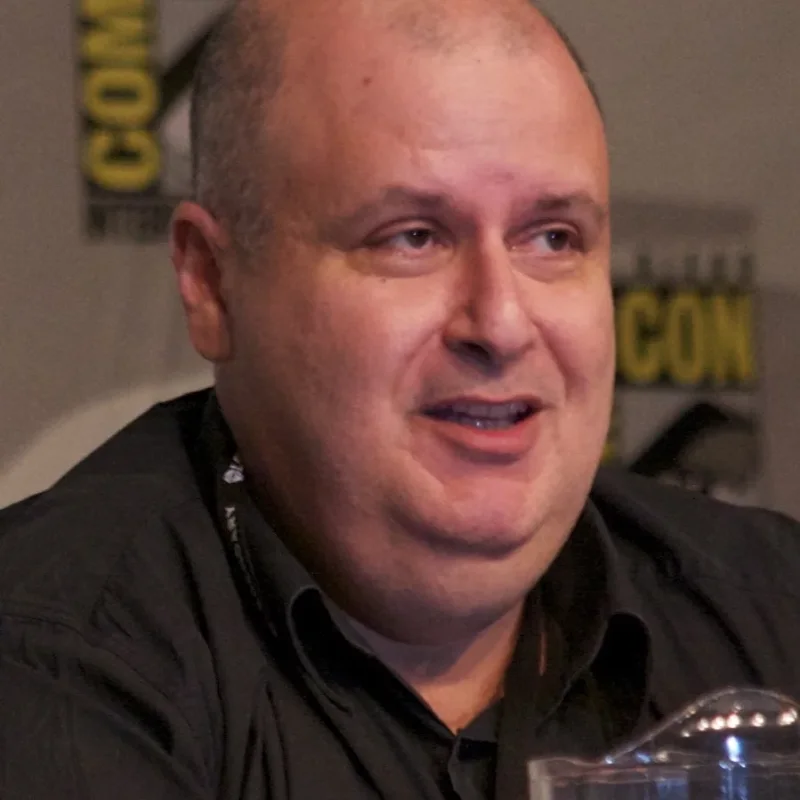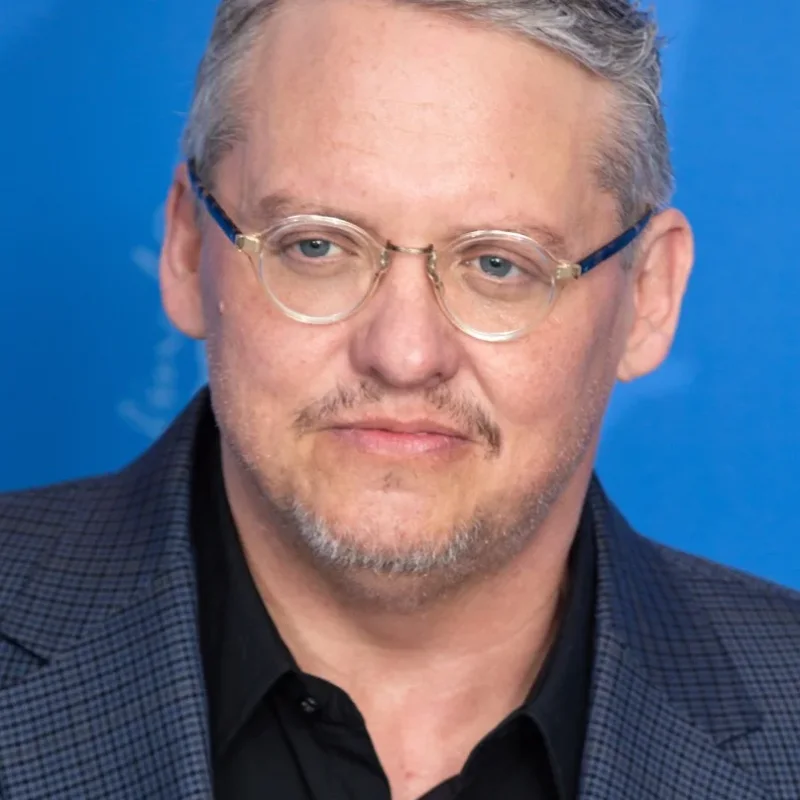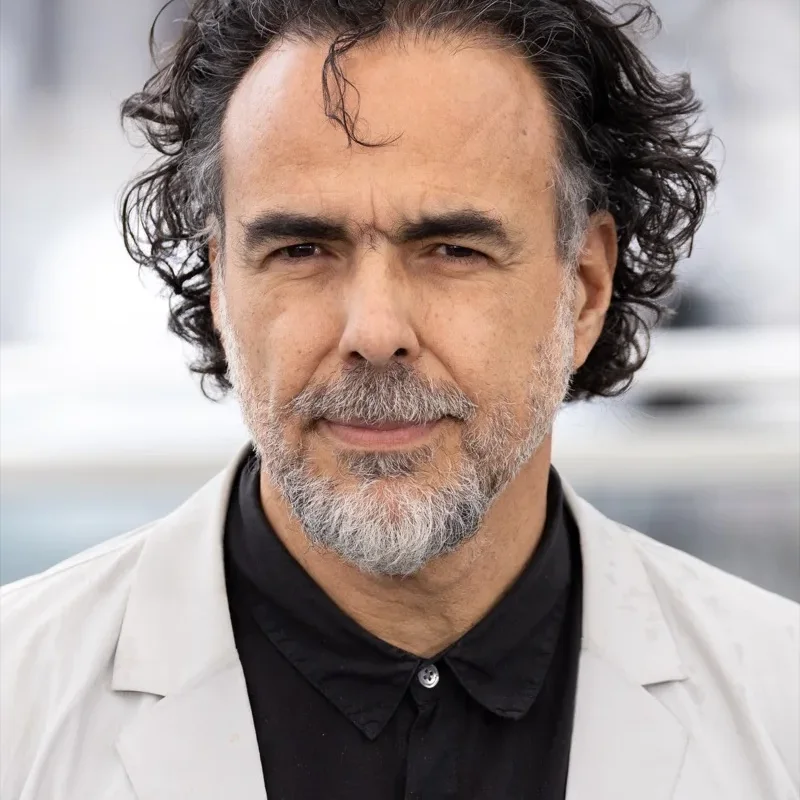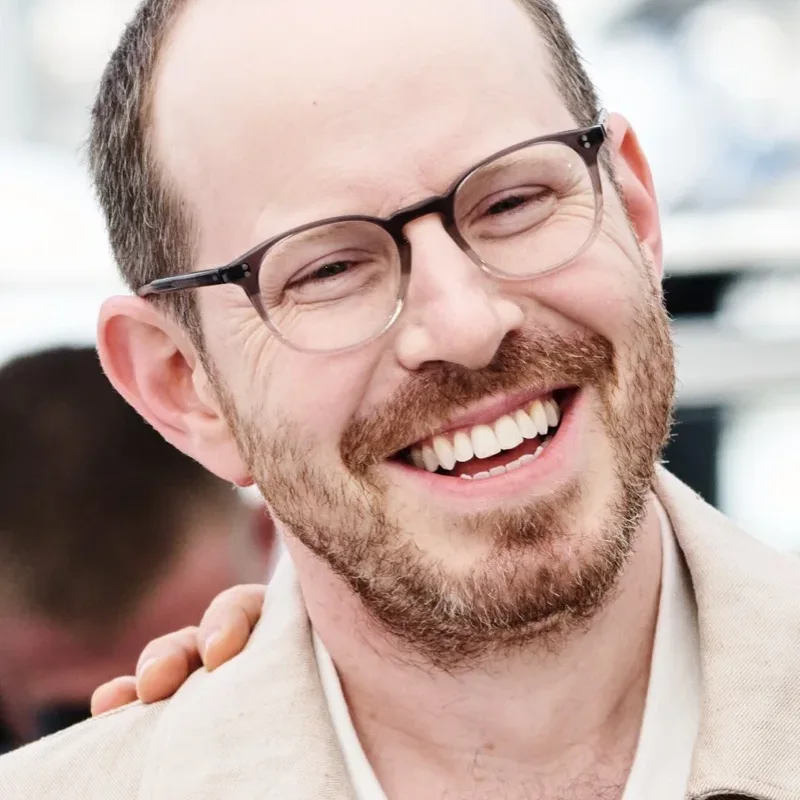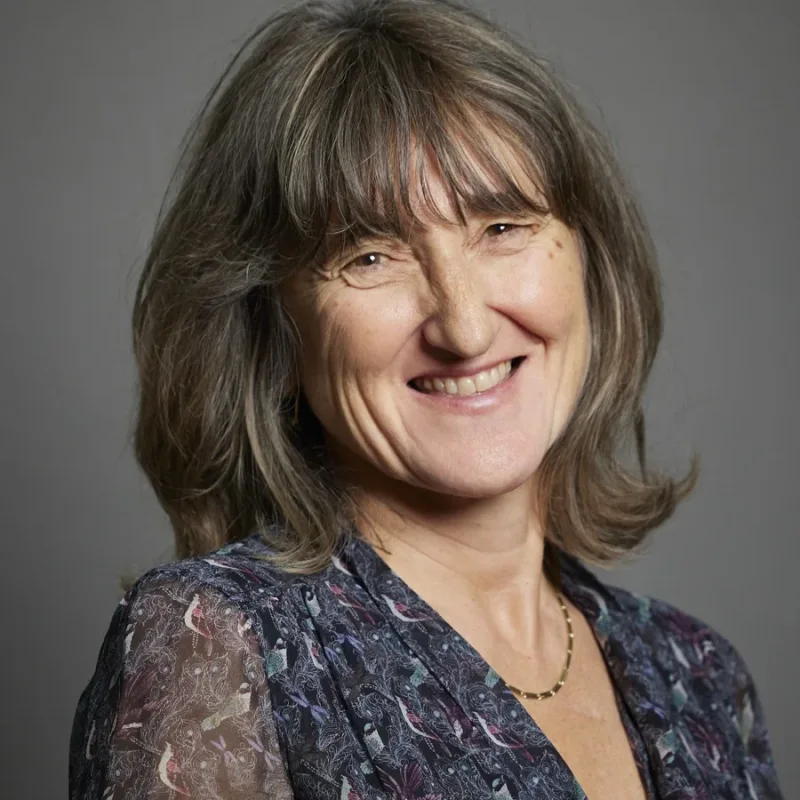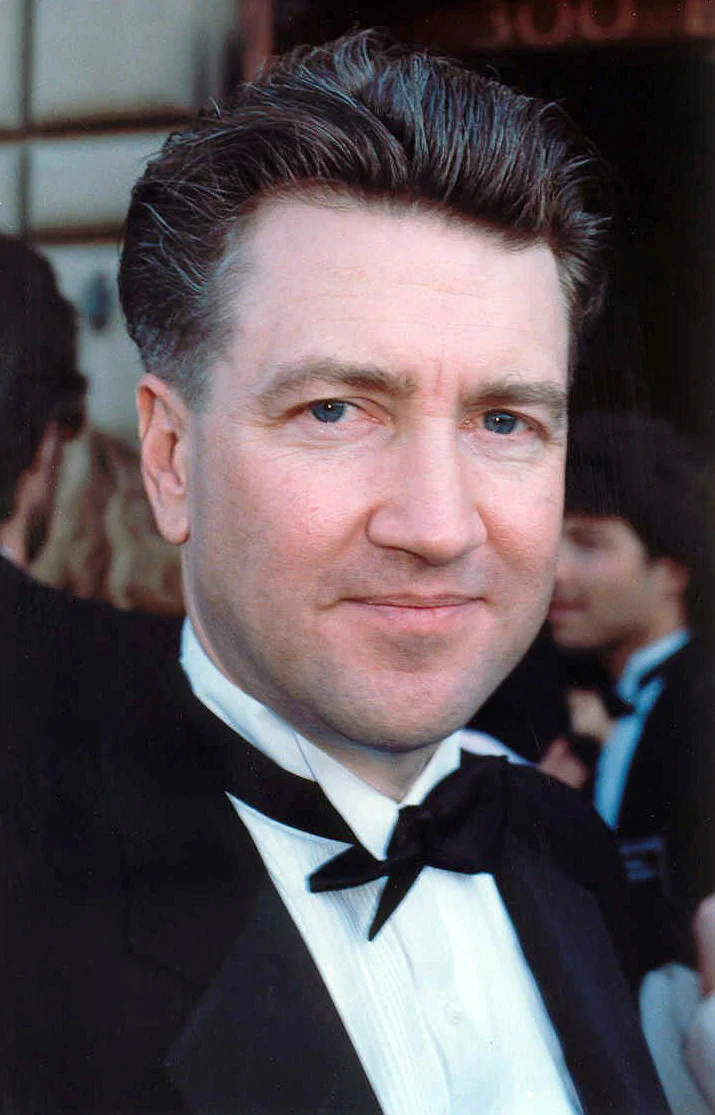
David Lynch
Director
The surrealist auteur behind Eraserhead, Blue Velvet, Twin Peaks, and Mulholland Drive, whose dreamlike style gave us the word “Lynchian.” In one of his final interviews, months before his death in January 2025, he called AI “fantastic” and “incredible as a tool for creativity.”
Why this score
How the formula works →- +4.8proProfesses love for AI
- +2.1pro2 pro-AI statements (forceful)
Weights, statement counts, the ×1.25 multiplier for having a stake in an AI-impacted field, and the formula’s smoothing are already baked in — the points add up to the score: Strongly Pro-AI · 6.9/10
In his words
I think it’s fantastic. I know a lot of people are afraid of it. I’m sure, like everything, they say it’ll be used for good or for bad. I think it’d be incredible as a tool for creativity and for machines to help creativity. The good side of it’s important for moving forward in a beautiful way.
Biography
David Lynch (1946–2025) was one of cinema’s most singular artists — the surrealist mind behind Eraserhead, The Elephant Man, Blue Velvet, Twin Peaks, and Mulholland Drive, work so distinctive it gave the language a new adjective: “Lynchian.” A painter, musician, and devoted advocate of Transcendental Meditation, he was also, contrary to his mystic reputation, an early embracer of new tools — abandoning celluloid for digital video well before most of his peers.
That openness extended to artificial intelligence. In a November 2024 interview with Sight and Sound — one of his last, given just two months before he died in January 2025 — Lynch was asked about AI and answered with characteristic directness, calling it “fantastic” and imagining it as a genuine aid to human creativity rather than a threat to it.
It is a quietly remarkable position from an artist so associated with the handmade and the intuitive. Lynch did not pretend the technology was without peril — he acknowledged it could be used “for good or for bad” — but his instinct was hope: that, used well, the machine could help rather than hollow out the act of making.
The pencil, and the fight over his blessing
Lynch died on January 16, 2025, at age 78, months after revealing that decades of smoking had left him with emphysema. Almost immediately, his views on AI became contested ground. In June 2025, the actor-director Natasha Lyonne — his friend and neighbor, then facing criticism for founding the “ethical AI” studio Asteria and announcing an AI-assisted directorial debut — told Vulture that Lynch had privately encouraged her, comparing the technology to the humblest of artist’s tools.
Everyone has access to a pencil, and likewise, everyone with a phone will be using AI, if they aren’t already. It’s how you use the pencil. You see?
The recollection drew a fierce backlash — critics accused Lyonne of conscripting a dead man into a live controversy, and the quote’s authenticity was questioned since Lynch could no longer clarify it. But secondhand or not, the pencil line squares with what Lynch said on the record while alive: that the machine could be a tool for creativity, and that what mattered was the hand holding it.
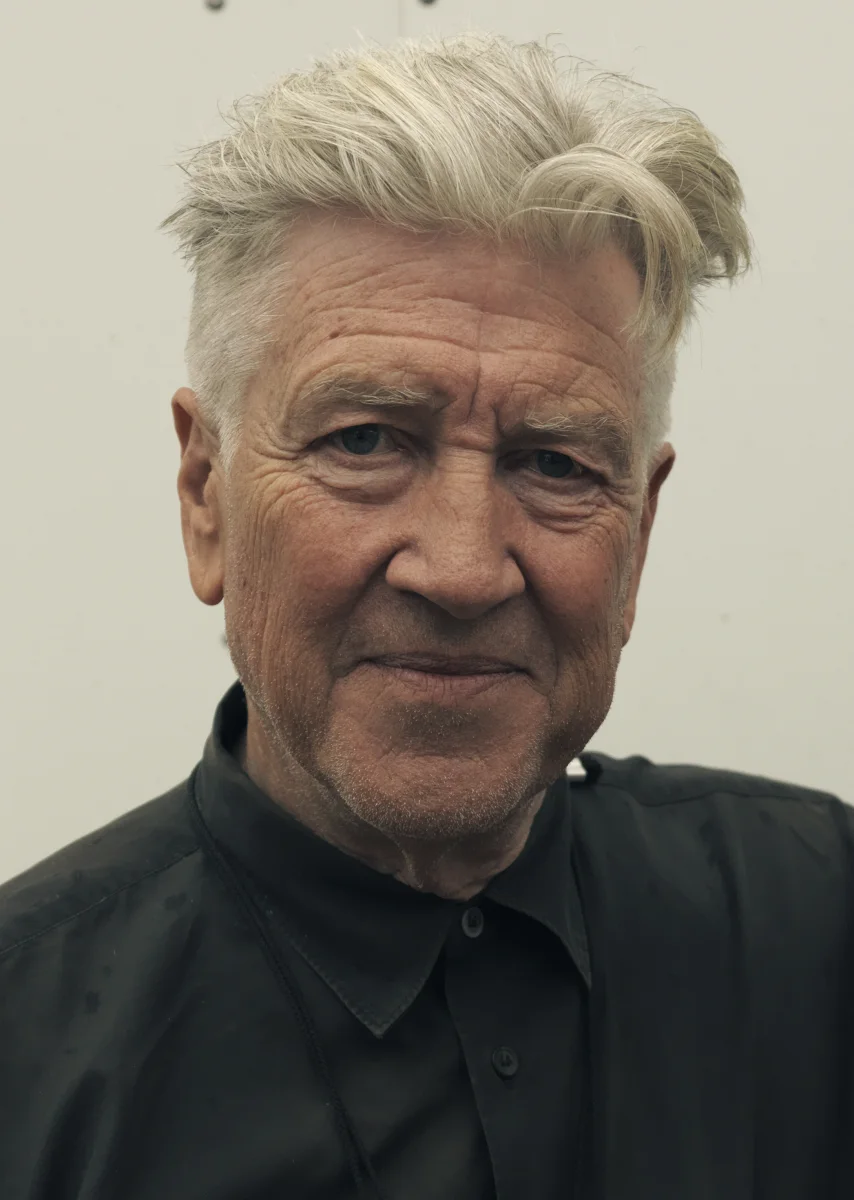
Gallery
Quote sources
- Sight and Sound (BFI), November 2024(bfi.org.uk)
- Lynch, as recounted by Natasha Lyonne — Vulture, June 2025(forbes.com)
Sources & further reading
Canonical record: https://battlelines.ai/topic/david-lynch