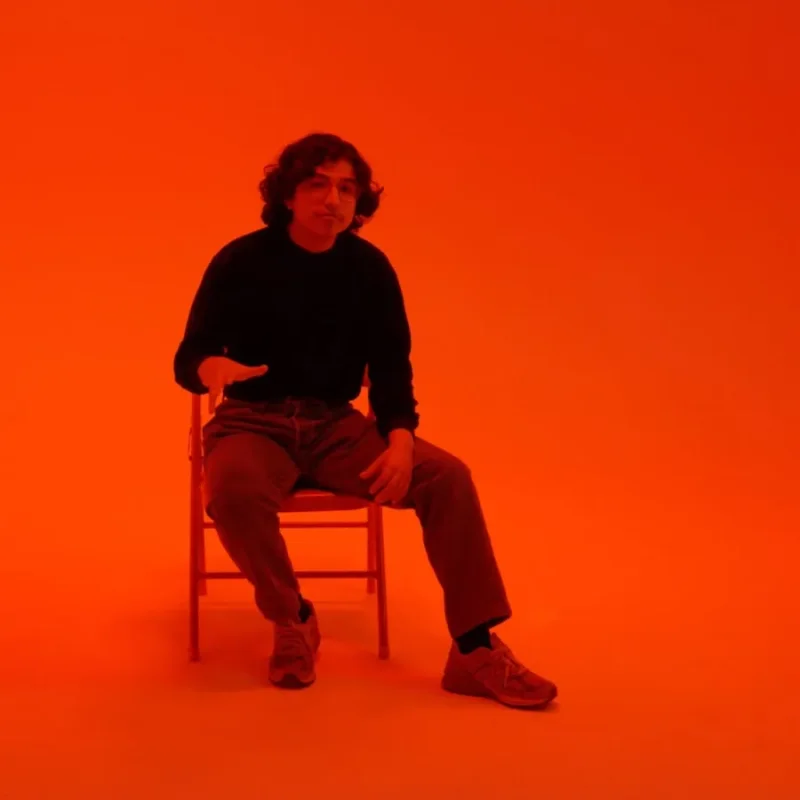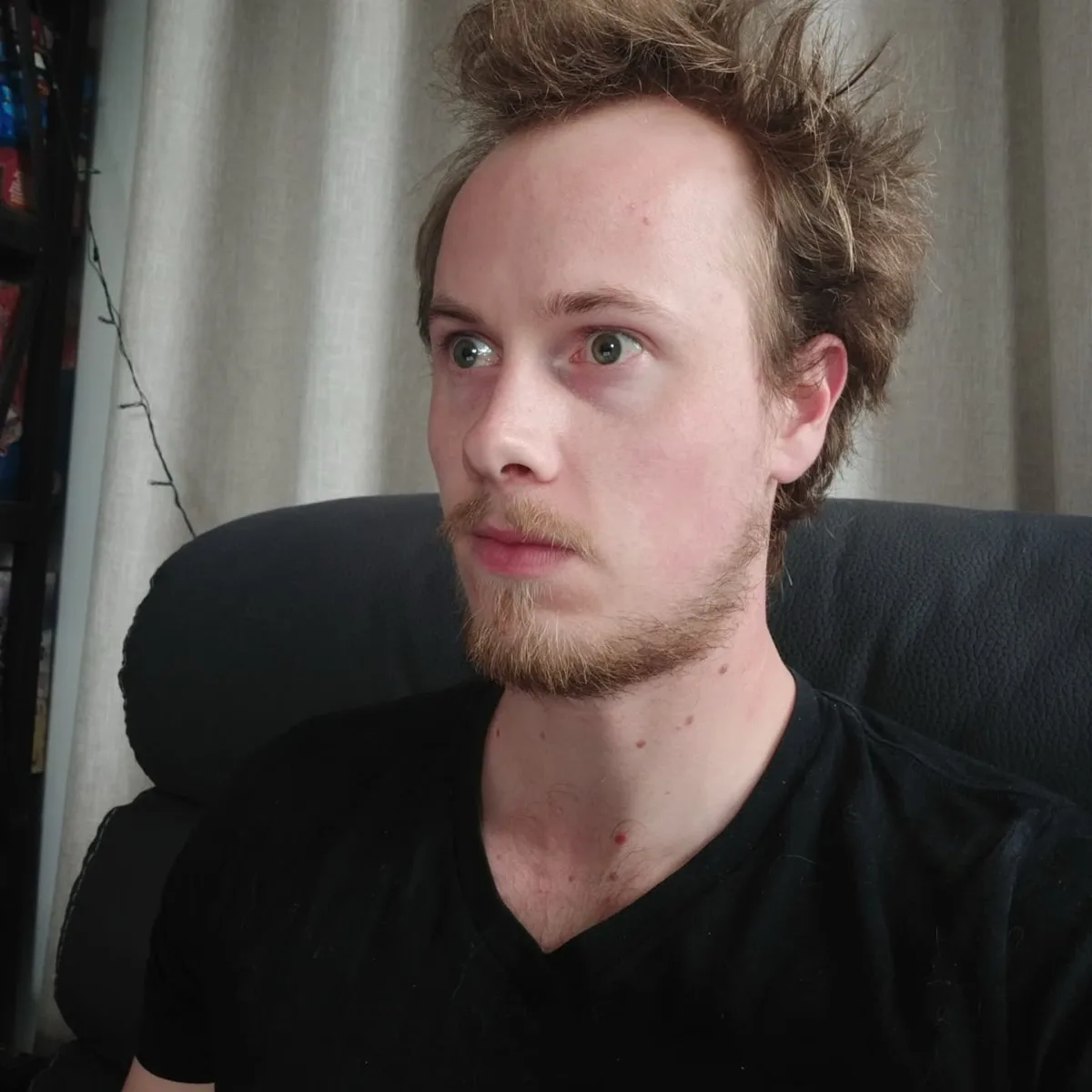
Tim Hickson
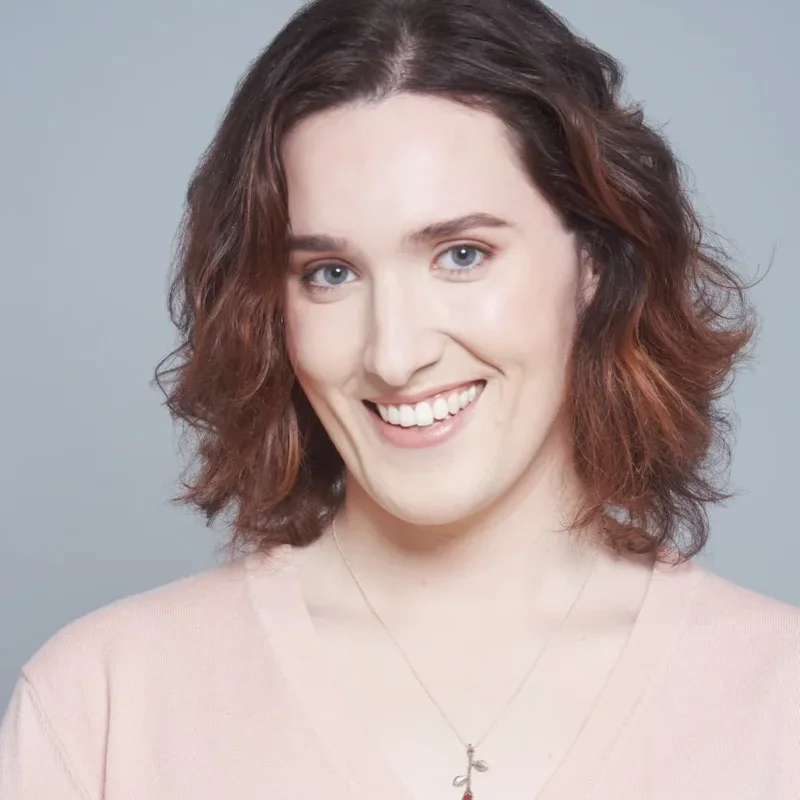
Video essayist & author (Hello Future Me)
New Zealand video essayist behind Hello Future Me (1.1M subscribers) and the On Writing and Worldbuilding books; his two-hour “The AI Art Apocalypse” (2023) indicted generative models as built on artists’ work without pay or consent, and he refuses YouTube’s AI creator tools.
Why this score
How the formula works →- 31%antiVows never to use AI
- 24%nuancedHolds a documented two-sided view
- 20%nuancedSupports AI only with conditions
- 20%anti5 anti-AI statements (forceful)
- 5%pro1 pro-AI statement (mild)
Includes the ×1.25 multiplier for having a stake in an AI-impacted field. Evidence splits 5% pro, 51% anti, 44% direction-free → Nuanced
In his words
AI is here to stay, but we have to decide how far it goes.
I believe creativity isn’t just valuable, it’s essential. It’s how we grow and connect, and this sort of technology in the hands of corporations could strangle that cultural exchange if we aren’t careful.
To me, increasingly handing over artistic expression to machines and companies is like handing over human conversation, abdicating from human connection.
Biography
Tim Hickson is a New Zealand video essayist whose channel Hello Future Me (1.1 million subscribers) built its reputation on deep-dive essays about writing, worldbuilding, and stories from Avatar: The Last Airbender to Lord of the Rings. He is also a working author — the self-published On Writing and Worldbuilding series spans three volumes, with short fiction in Apparition Lit and other magazines — and he holds a law degree with a specialization in copyright, an unusual credential for the AI-art debate he waded into.
“The AI Art Apocalypse”
In June 2023 Hickson published “The AI Art Apocalypse,” a two-hour essay he said took months of research, including embedding himself in AI communities and using the generators firsthand. Opening with DeviantArt’s DreamUp backlash and the AI-spam flood that closed Clarkesworld’s submissions, he argued that image models like Midjourney and Stable Diffusion were built on artists’ work without payment or consent, and — drawing on his copyright training — that the Google Books fair-use precedent does not transfer: where scanning books for search was “elevatory,” commercial generators that displace the artists they trained on are exploitative. He called the results the product of an “unethically trained technology,” though he was explicit the video was “not an argument to outlaw it,” and mocked the reflex of calling critics luddites.
In a world of AI, it’s even more important to support human artists.
He returned in November 2025 with “The worst thing AI is doing nobody is talking about,” revealing that YouTube now offers creators an AI system that replies to comments in their own voice — “a way to trick people into thinking they’re talking to me” — plus a suite that generates scripts, titles, and thumbnails. His response to both: “I won’t use it.” The video’s larger thesis is that AI-generated art, AI companions, and AI slop channels all sell the same thing — a simulation of human connection that leaves people more atomized. Notably, he grants that AI is a remarkable technology that could genuinely improve lives “if we handle it right”; art, he argues, is precisely the place it should not be handed.
Quote sources
- YouTube, 2023(youtube.com)
- YouTube, 2025(youtube.com)
Sources & further reading
Canonical record: https://battlelines.ai/topic/hello-future-me