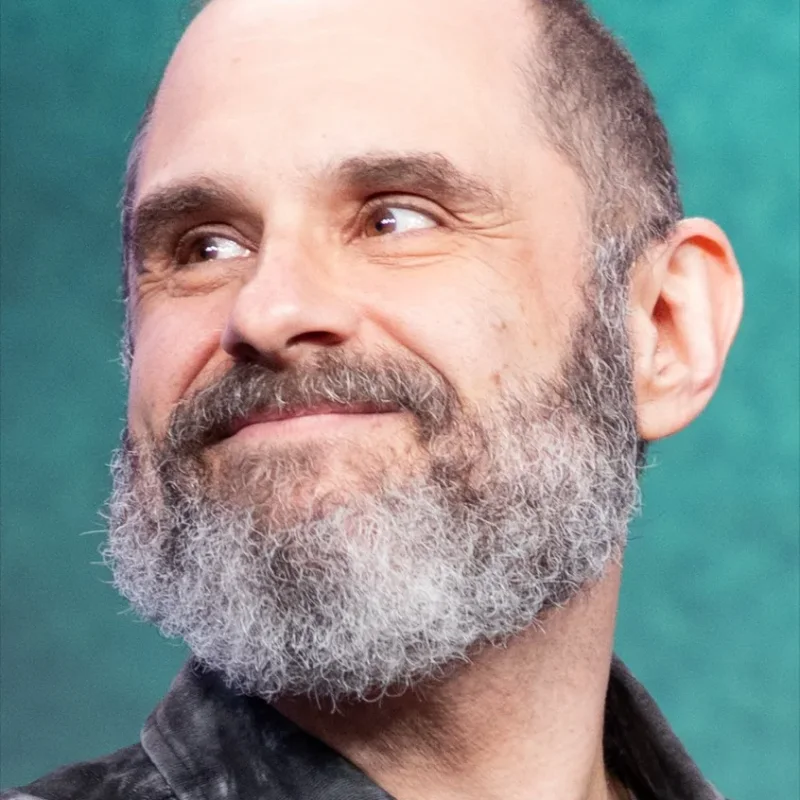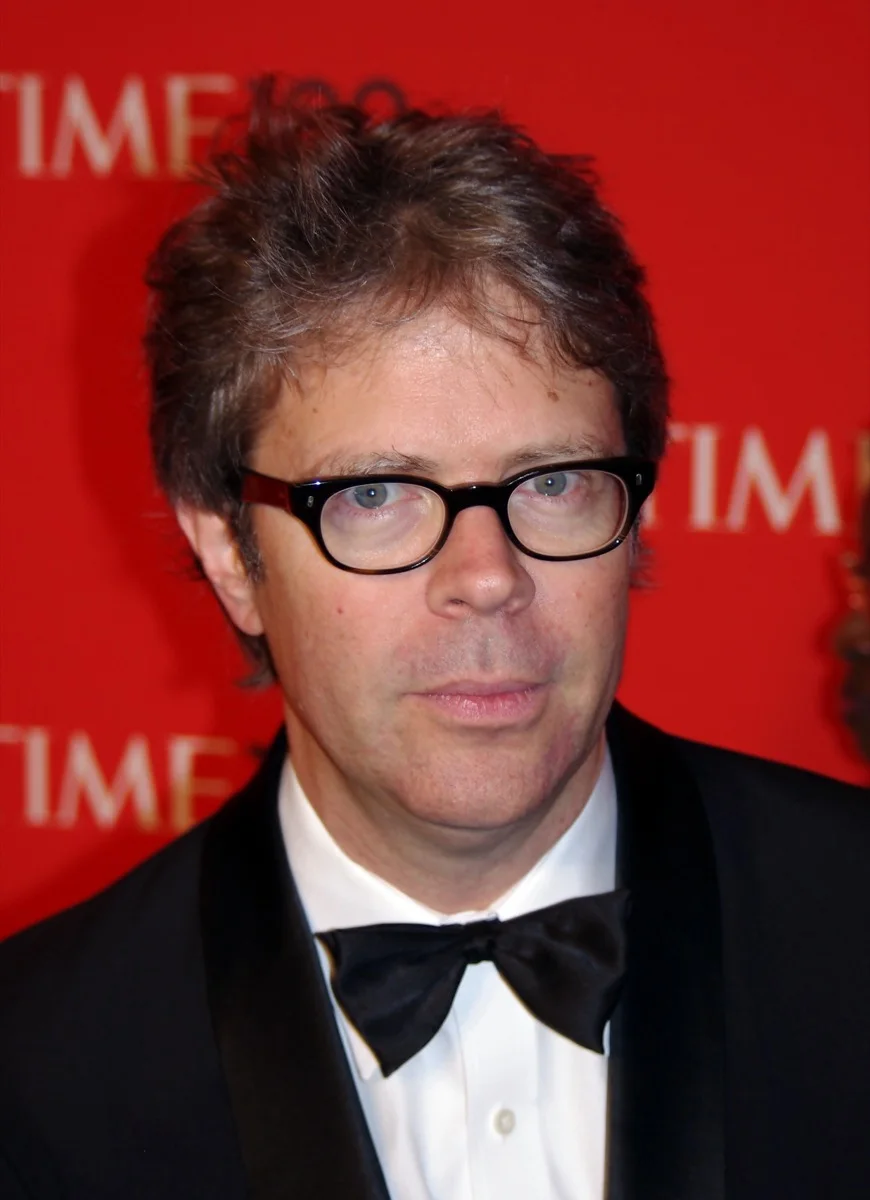
Jonathan Franzen
Novelist
Author of The Corrections and Freedom, and one of America’s most celebrated literary novelists. A named plaintiff in Authors Guild v. OpenAI who calls generative AI a new frontier of Silicon Valley’s exploitation of creators.
Why this score
How the formula works →- +5.6antiSued AI companies
- +0.7anti1 anti-AI statement (forceful)
- ±0nuancedSupports AI only with conditions
Weights, statement counts, the ×1.25 multiplier for having a stake in an AI-impacted field, and the formula’s smoothing are already baked in — the points add up to the score (direction-free evidence pulls toward the middle instead): Firmly Anti-AI · 6.3/10
In his words
Generative AI is a vast new field for Silicon Valley’s longstanding exploitation of content providers. Authors should have the right to decide when their works are used to “train” AI. If they choose to opt in, they should be appropriately compensated.
Biography
Jonathan Franzen (born 1959) is an American novelist and essayist whose sprawling family sagas — The Corrections (winner of the 2001 National Book Award), Freedom, and Crossroads — made him one of the defining literary figures of his generation, landing him on the cover of Time as the “Great American Novelist.”
A career-long technology skeptic meets AI
Franzen has spent decades as literature’s most conspicuous technology skeptic — he has inveighed against Twitter, smartphones, and the attention economy in essays and interviews since the 1990s. His opposition to generative AI is of a piece with that history, but sharper: this time, he argues, the technology was built directly out of writers’ stolen work.
In September 2023 he joined the Authors Guild and 16 other writers — including Jodi Picoult and George R.R. Martin — as a named plaintiff in a class action against OpenAI, alleging the company copied their novels wholesale from pirate ebook repositories to train the models behind ChatGPT. As a class representative, Franzen supplied the suit’s crispest framing: authors should decide whether their books train AI at all, and be paid if they opt in.
The litigation has outlasted the initial headlines. In 2025 a federal court allowed key claims to proceed, ruling that even AI-generated summaries of the plaintiffs’ novels could infringe if they capture protected expression in detail — keeping Franzen and his co-plaintiffs at the center of the defining copyright fight of the AI era.
Quote sources
- Authors Guild press release, 2023(authorsguild.org)
Sources & further reading
Canonical record: https://battlelines.ai/topic/jonathan-franzen