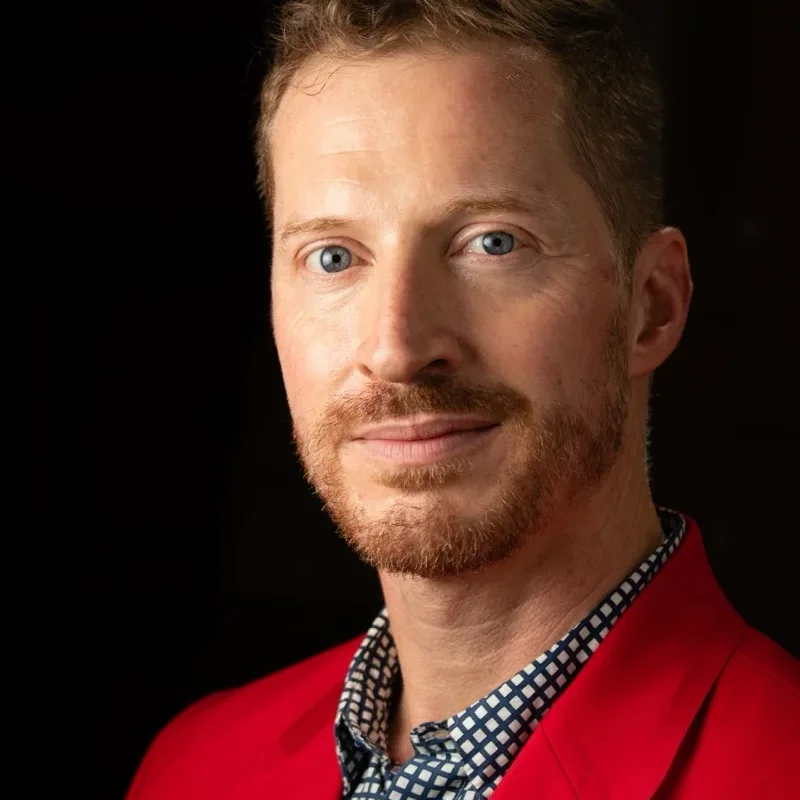
Kai Bird
Pulitzer-Winning Biographer
Pulitzer-winning co-author of American Prometheus — the Oppenheimer biography behind Christopher Nolan’s film — who sued OpenAI and Microsoft over AI training and calls this generation’s AI reckoning “another Oppenheimer moment.”
Why this score
How the formula works →- +5.2antiSued AI companies
- +1.6anti3 anti-AI statements (forceful)
- ±0nuancedCampaigns for AI safety rules
Weights, statement counts, the ×1.25 multiplier for having a stake in an AI-impacted field, and the formula’s smoothing are already baked in — the points add up to the score (direction-free evidence pulls toward the middle instead): Strongly Anti-AI · 6.8/10
In his words
We’re actually facing another Oppenheimer moment, where suddenly a new technology has enormous potential for evil and disruption — and we need smart people, scientists in particular, to be talking to us about the consequences and the moral and ethical choices we face.
Humans must always maintain sole control over nuclear weapons – this technology is too dangerous to gamble with.
Biography
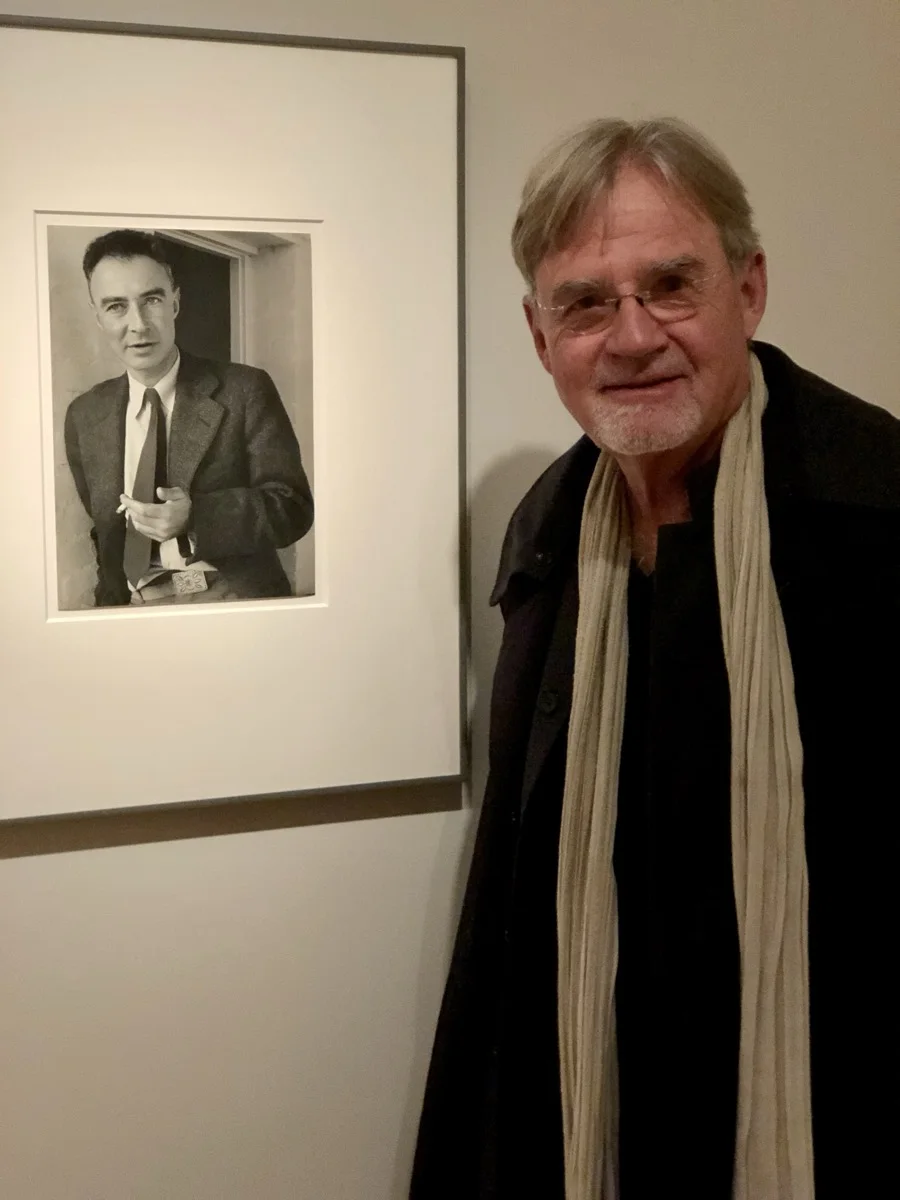
Kai Bird (b. 1951) is an American biographer and historian who shared the 2006 Pulitzer Prize for American Prometheus, the J. Robert Oppenheimer biography he co-wrote with Martin J. Sherwin that became the basis for Christopher Nolan’s Oppenheimer. He directs the Leon Levy Center for Biography at the CUNY Graduate Center, and his other books include The Good Spy and The Outlier.
From the atomic bomb to the algorithm
The Oppenheimer parallel has made Bird an unusually resonant AI critic. In July 2023, as the film opened, he endorsed Senator Ed Markey’s Block Nuclear Launch by Autonomous Artificial Intelligence Act, saying the bill “will send a powerful signal to the world that the United States will never take the reckless step of automating our nuclear command and control,” and arguing that Oppenheimer himself would be making the case for regulating AI today.
In December 2023 Bird joined Julian Sancton’s class action against OpenAI and Microsoft alongside fellow Pulitzer winners Taylor Branch and Stacy Schiff, alleging their books were copied without permission to train GPT models — a complaint that brands OpenAI’s foundation “rampant theft of copyrighted works.” In June 2025 he joined a further suit accusing Microsoft of training its Megatron model on a collection of roughly 200,000 pirated books.
Bird’s objection is thus twofold: as an author whose decades-long archival labor was ingested without consent or payment, and as a historian of technology’s moral hazards who wants scientists — as in 1945 — to reckon publicly with what they are building.
Quote sources
- Chautauqua Institution lecture — The Chautauquan Daily, 2024(chqdaily.com)
- Office of Sen. Ed Markey, 2023(markey.senate.gov)
Sources & further reading
- The Week: Biographer who inspired Oppenheimer backs bill banning use of AI in nuclear launches (2023)
- Sen. Ed Markey: Oppenheimer Author Kai Bird Endorses Legislation to Curtail Existential Threat of AI (2023)
- The Hill: Pulitzer Prize winners join AI copyright lawsuit (2023)
- The Chautauquan Daily: Through Oppenheimer’s story, Kai Bird warns against public mistrust, division (2024)
Canonical record: https://battlelines.ai/topic/kai-bird