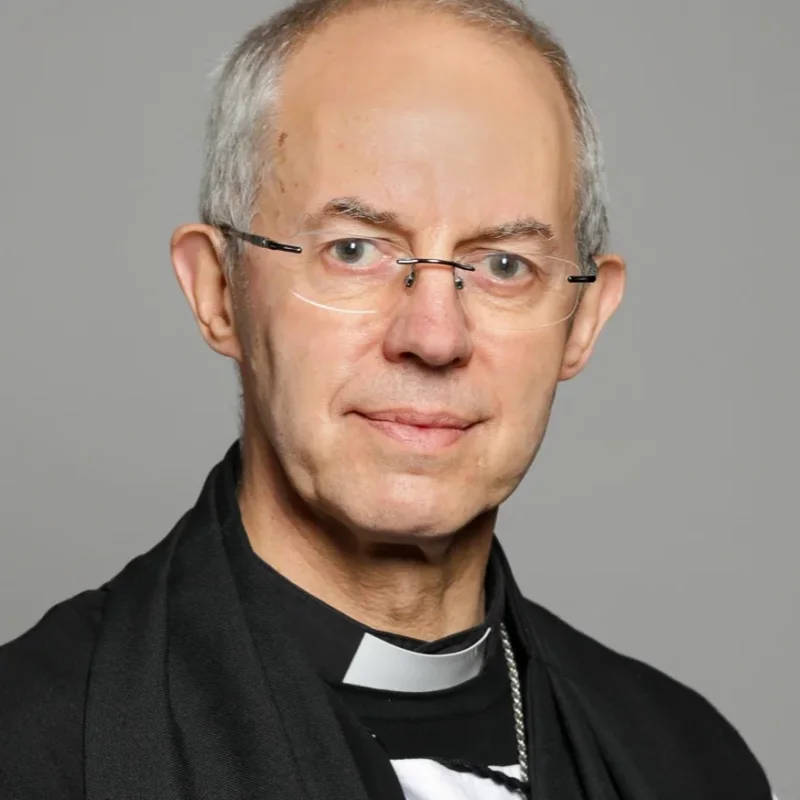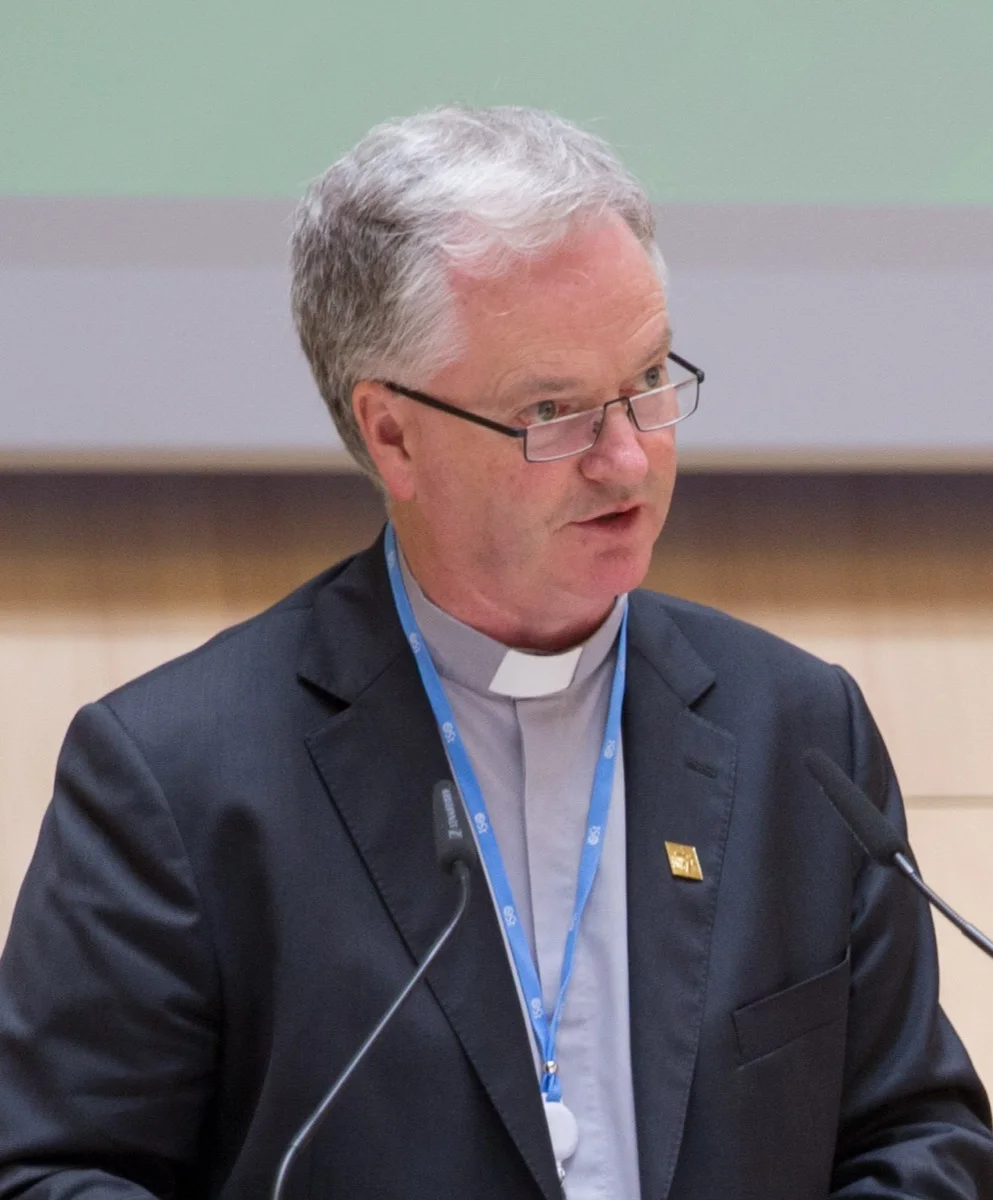
Paul Tighe
Vatican Bishop and Dicastery Secretary
Irish-born Vatican bishop who helped shape the 2025 Holy See document Antiqua et Nova, arguing AI should serve human tasks rather than displace the human — a measured embrace, not a rejection.
Why this score
How the formula works →- 46%nuancedHolds a documented two-sided view
- 38%nuancedSupports AI only with conditions
- 16%pro2 pro-AI statements (measured)
Evidence splits 16% pro, 0% anti, 84% direction-free → Nuanced
In his words
We want to welcome something that has great potential for human beings. We want to see that potential, and at the same time be attentive to the possible downsides.
One thing I would say to people is to begin using the technologies, explore them, see how extraordinary they are, but also begin to be critical of them, to learn how to be able to evaluate them and think about them.
Biography
Paul Tighe (born 1958) is an Irish-born bishop and Secretary of the Vatican’s Dicastery for Culture and Education. Long involved in the Church’s engagement with digital media, he became a central figure in the Holy See’s effort to speak coherently about artificial intelligence.
Antiqua et Nova
Tighe helped shepherd Antiqua et Nova, the Vatican’s January 2025 note on the relationship between artificial and human intelligence. Its stance is calibrated rather than fearful: AI can relieve people of drudgery, but work is more than a paycheck — it is a source of creativity, connection, and dignity — so the technology should augment human beings, not replace them.
In interviews around the document, Tighe framed the Church’s role as offering ethical guidance to developers rather than opposing the field, emphasising education and formation so that people can use these tools wisely. He works alongside the Vatican’s AI adviser Paolo Benanti in an institutional stance that engages the technology on its merits.
Quote sources
- Vatican News interview, 2025(vaticannews.va)
Sources & further reading
Canonical record: https://battlelines.ai/topic/paul-tighe