Tag
18 subjects · 13 pro-AI · 2 anti-AI
Showing 18 profiles · 13 pro-AI · 2 anti-AI · 2 nuanced · 1 neutral
Conservative Rabbi
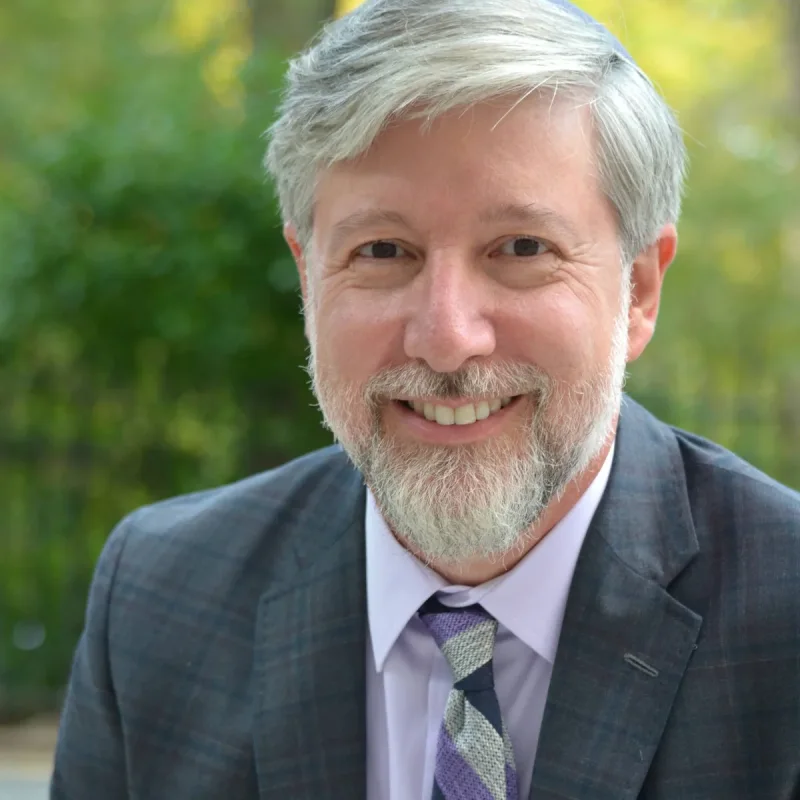
The Conservative rabbi and former dean of JTS’s rabbinical school wrote the movement’s official ruling on artificial intelligence — concluding that AI “may provide valuable assistance” so long as a human keeps moral responsibility.
Author and Alternative-Medicine Advocate
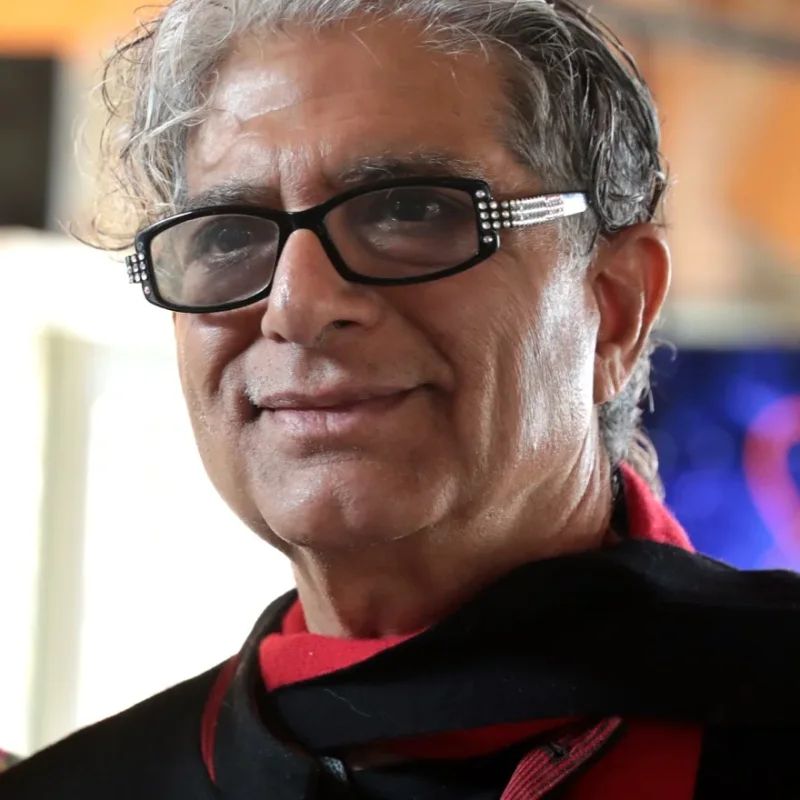
Bestselling spiritual author who built “Digital Deepak,” an AI chatbot trained on his life’s work and voiced by an ElevenLabs clone — casting AI as a way to scale mindful connection.
Theologian
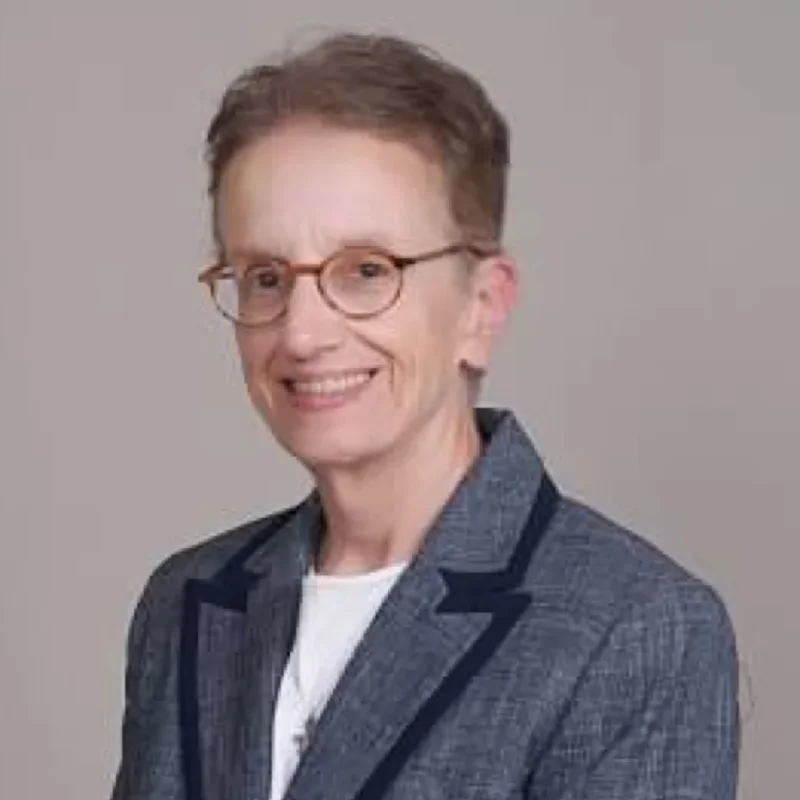
Franciscan sister and Villanova theologian who argues religion should embrace AI as the next stage of evolution — her book “Re-Enchanting the Earth” calls religion “the linchpin of the future of AI.”
Evangelical Ethicist
The Southern Baptist ethicist who led the drafting of the first faith-based AI ethics statement treats artificial intelligence as a God-given tool to be “wielded with wisdom” — pro-engagement, but wary of anyone who mistakes it for a savior.
Vienna theologian who used ChatGPT to generate and lead a full church service for more than 300 worshippers in 2023 — an experiment in AI-made worship that he presented candidly, limits and all.
Former Archbishop of Canterbury
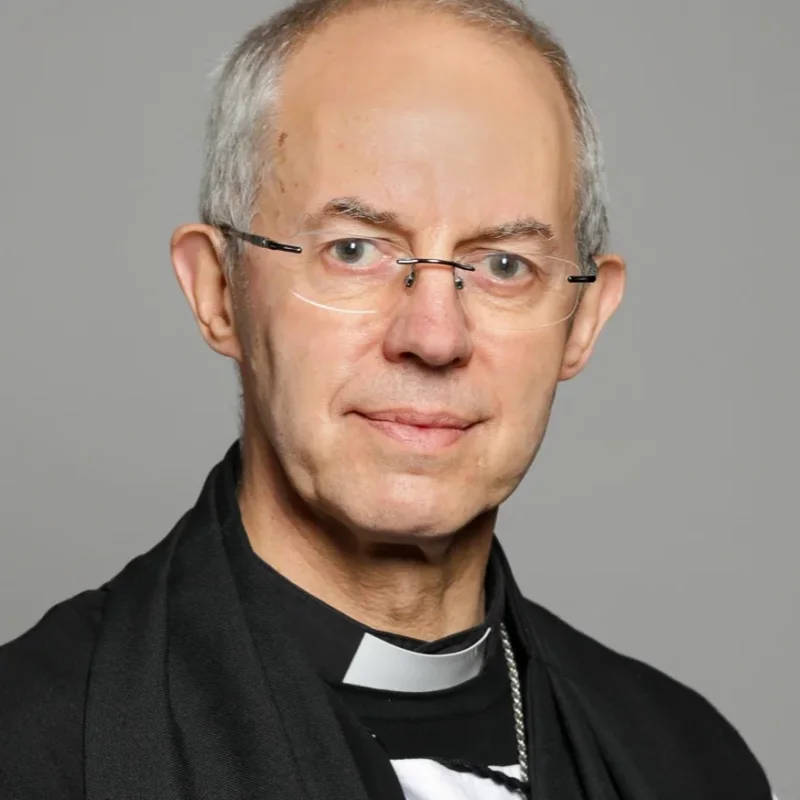
Former Archbishop of Canterbury who signed the Vatican-led Rome Call for AI Ethics in 2024, endorsing engagement with AI on the condition that human dignity stays at its center.
Franciscan Friar and Vatican AI Adviser
Franciscan friar, theologian, and the Vatican’s go-to AI adviser who coined “algor-ethics” — arguing the answer to AI is to encode human values into it, not to reject the technology.
Vatican Bishop and Dicastery Secretary
Irish-born Vatican bishop who helped shape the 2025 Holy See document Antiqua et Nova, arguing AI should serve human tasks rather than displace the human — a measured embrace, not a rejection.
Yogi and Founder of the Isha Foundation
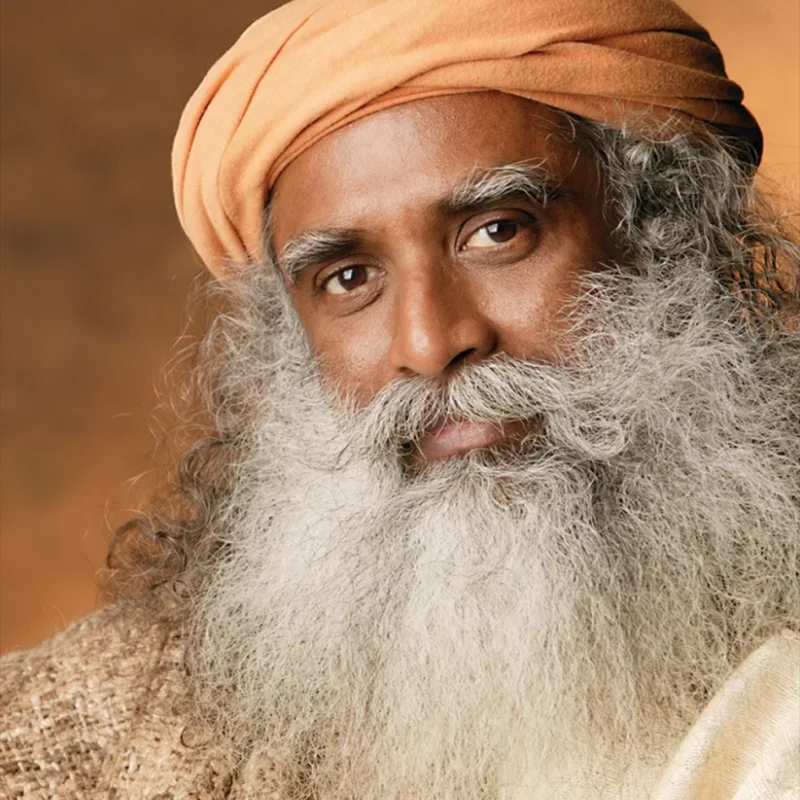
Indian yogi and Isha Foundation founder who welcomes an AI-and-robots future, framing machines taking over routine work as a “golden age of consciousness” that frees humans for inner growth.
Archbishop of Canterbury
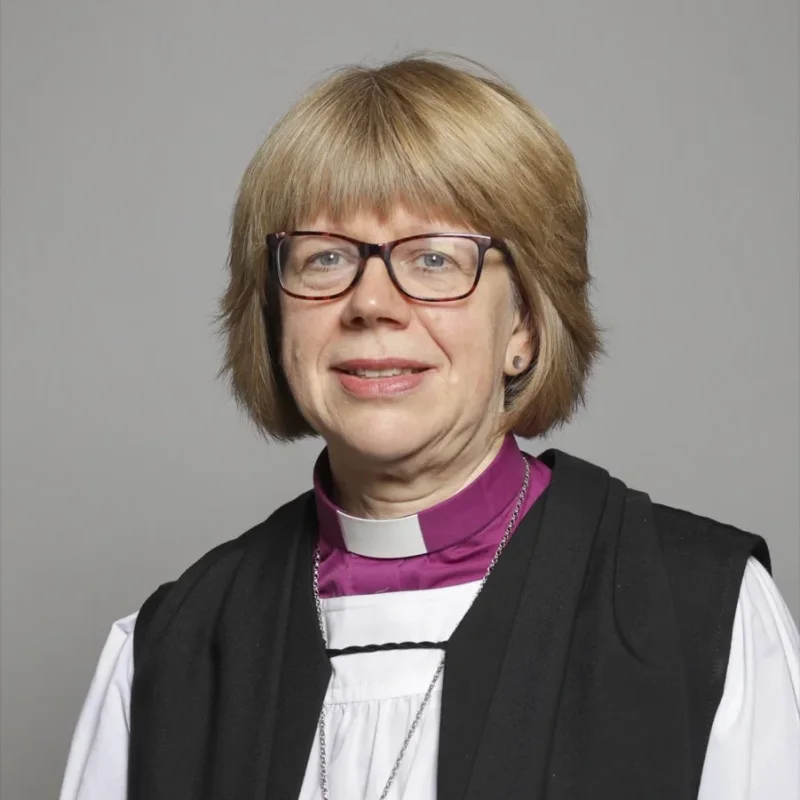
Archbishop of Canterbury who led a 2026 House of Lords debate calling AI “a remarkable product of human creativity” and urging developers toward a pro-human approach — engaged and hopeful, not opposed.
Zen Buddhist Priest
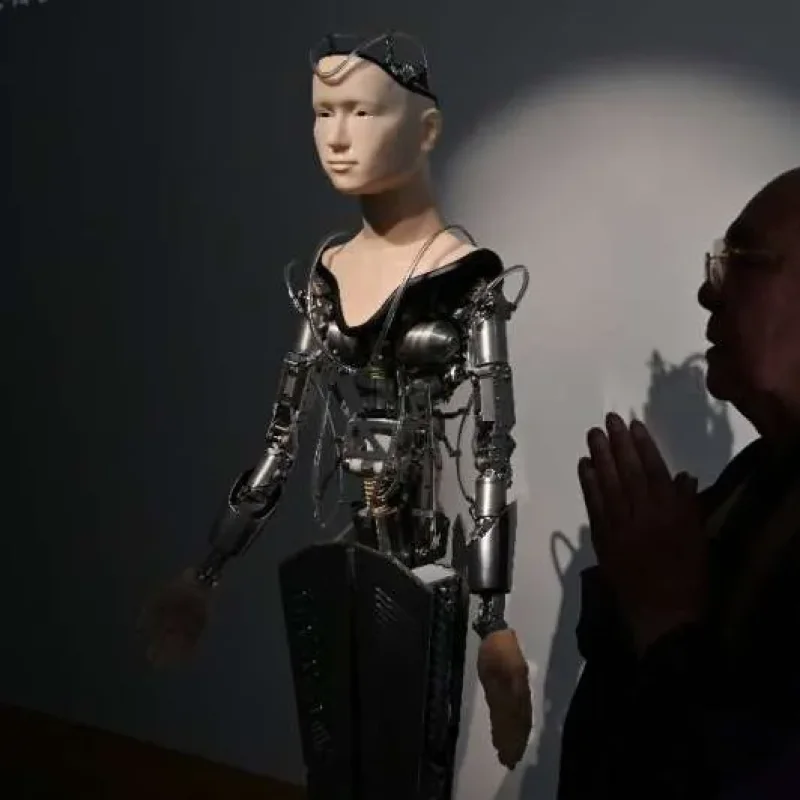
Zen steward at Kyoto’s Kōdai-ji temple who commissioned Mindar, a roughly $1M android priest, and hopes AI will let it grow in wisdom and one day speak autonomously.
Tibetan Buddhist Leader
The 14th Dalai Lama embraces science and technology as essential to humanity’s future, engaging AI researchers through his lifelong dialogue with science — while insisting a machine can never possess consciousness or the warm-heartedness that makes us human.
Buddhist Monk and Ethicist
Buddhist monk who founded MIT’s Dalai Lama Center for Ethics and co-founded the Ethics and Governance of AI Fund — pressing the tech industry to build ethics in at the design stage rather than reject the technology.
Pope (2013–2025)
The late pontiff who made AI a moral priority — the first pope to address a G7 summit. He called it an “exciting and fearsome tool” in the same breath, praising its power to democratize knowledge and advance science while warning it must never displace human judgment: a deliberately two-sided verdict.
Head of the Catholic Church
The first American pope, who made AI the moral question of his papacy — his 2026 encyclical Magnifica Humanitas insists technology is “not inherently evil” while demanding guardrails so AI serves human dignity rather than concentrating power among the already powerful.
Anthropologist of AI and religion
University of Zurich anthropologist and the leading scholar of AI and religion. She studies how faiths adopt, reject, and mythologize AI — and pointedly declines to take sides, treating AI and religion alike as tools humans use.
Humanist Chaplain
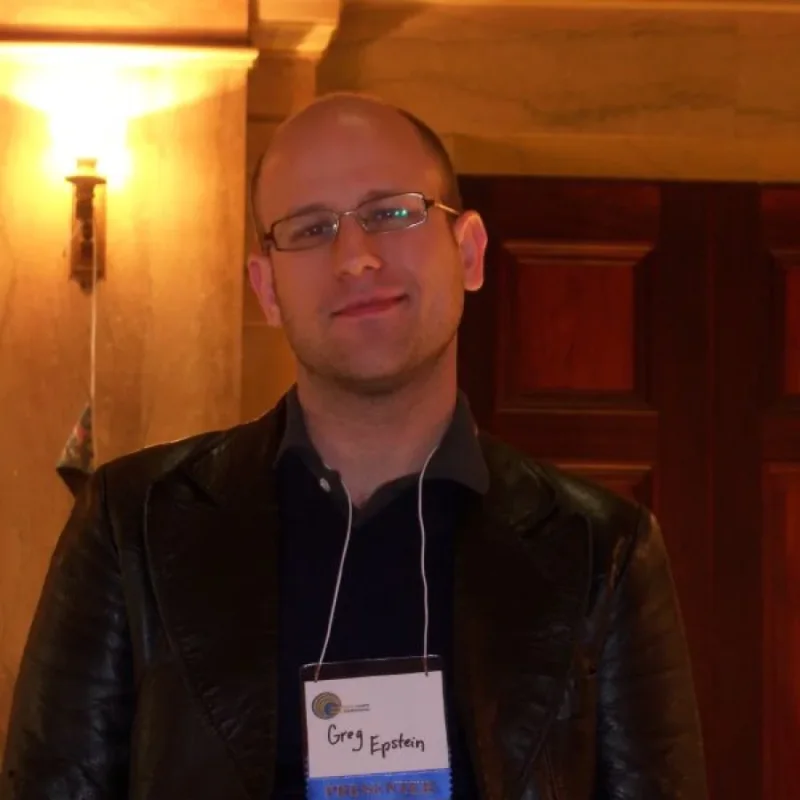
The humanist chaplain to Harvard and MIT argues in “Tech Agnostic” that Big Tech and AI have become the world’s most powerful religion — one demanding uncritical worship — and calls for a “reformation” that returns technology to the status of tools.
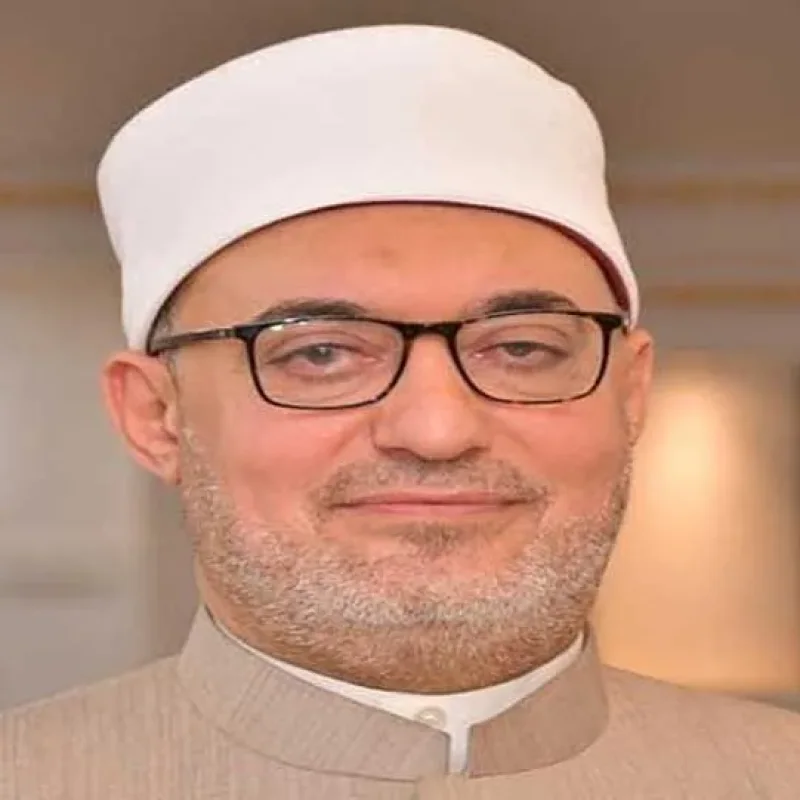
Grand Mufti of Egypt
Egypt’s Grand Mufti issued an official ruling that it is “impermissible in Islamic law to rely on AI applications to obtain a fatwa,” and warned against letting chatbots interpret the Qur’an — arguing the work of religious judgment cannot be automated.