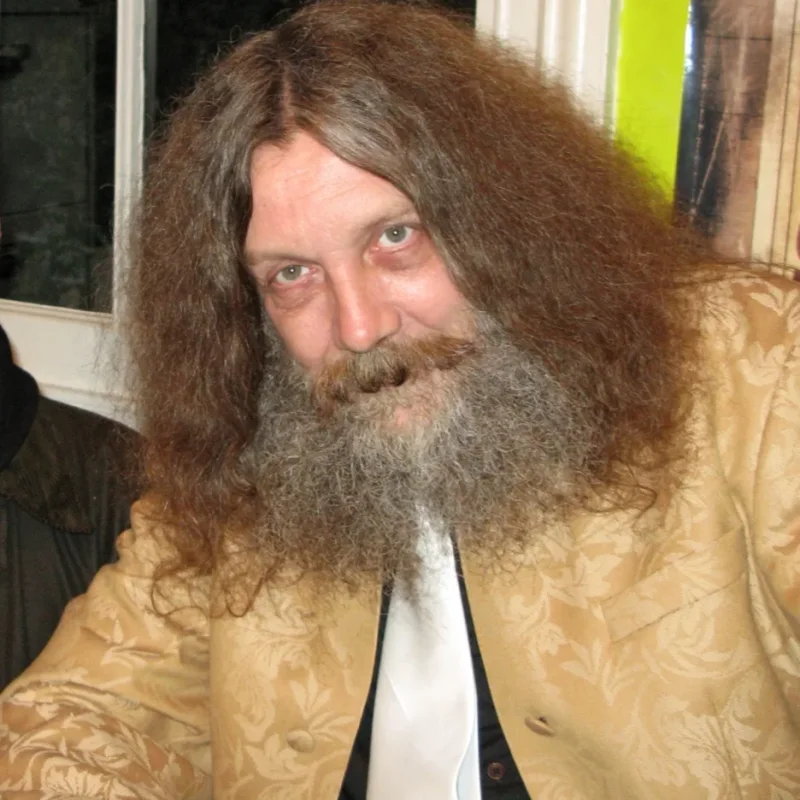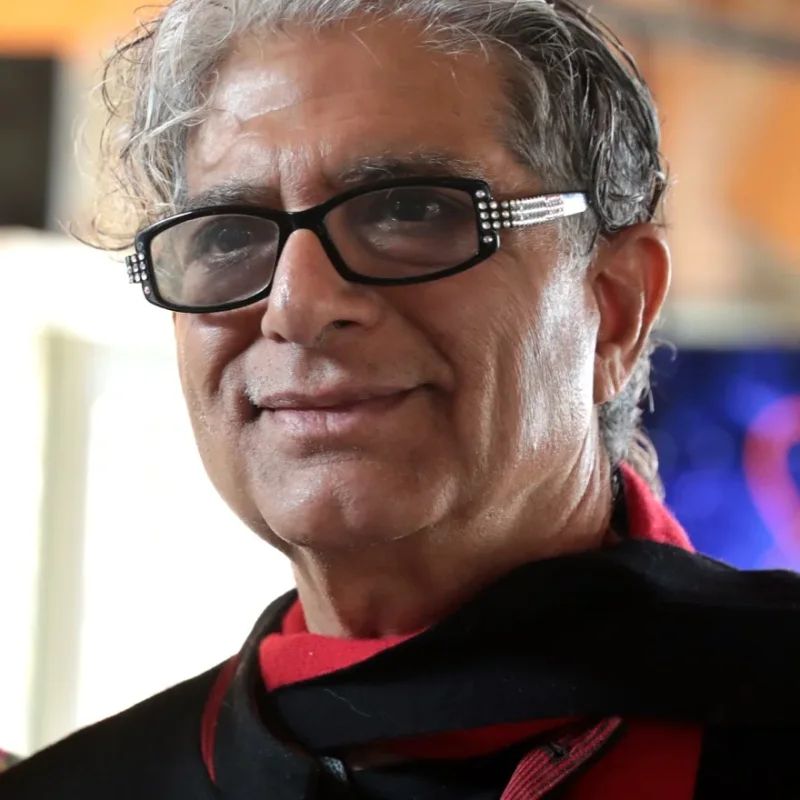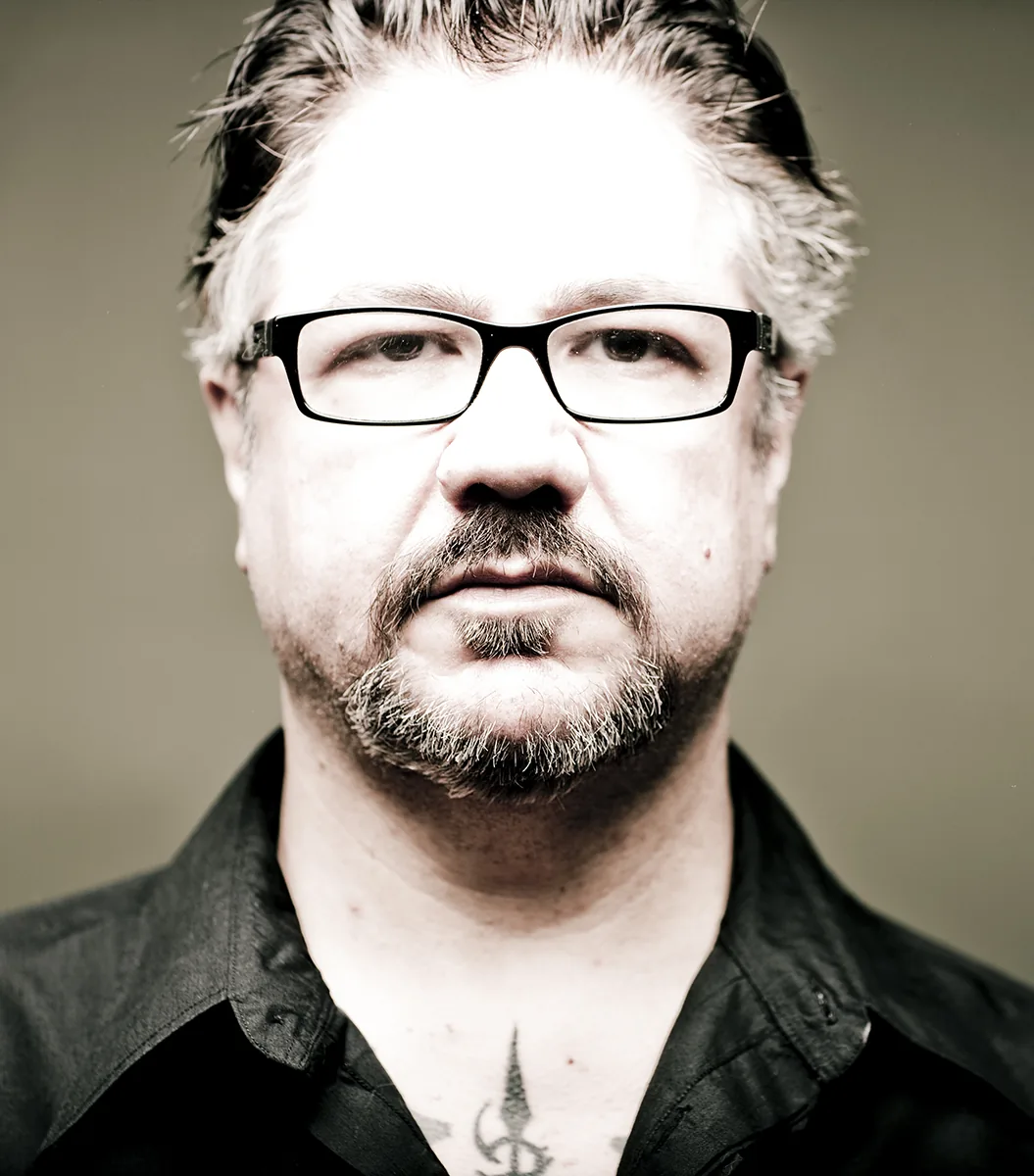
Richard Kadrey
Urban-Fantasy Novelist
The author of the Sandman Slim series is the lead named plaintiff in Kadrey v. Meta — the landmark case over Llama’s training on pirated books — and a plaintiff against OpenAI as well.
Why this score
How the formula works →- +7.2antiSued AI companies
Weights, statement counts, the ×1.25 multiplier for having a stake in an AI-impacted field, and the formula’s smoothing are already baked in — the points add up to the score: Strongly Anti-AI · 7.2/10
In his words
Meta… decided to cut corners and save time and money by using free online “shadow libraries” to source this highly valuable content.
Several Meta employees sounded the alarm about using what they described as “illegal pirated websites” for training data… But books were too valuable for Meta to back down.
Biography
Richard Kadrey (born 1957) came up through 1980s cyberpunk with Metrophage before finding a mass audience with Sandman Slim (2009), the first of a dozen novels following hell-escaped antihero James Stark — a series that made him a fixture of modern urban fantasy. Since July 2023 his name has been attached to something with further-reaching consequences: Kadrey v. Meta, the copyright class action he filed alongside Sarah Silverman and Christopher Golden over the training of Meta’s Llama models.
The case that put AI training on trial
The suit — later joined by Ta-Nehisi Coates, Junot Díaz, Andrew Sean Greer, Jacqueline Woodson, Laura Lippman, and others — alleges Meta knowingly downloaded millions of pirated books from shadow libraries like LibGen and Bibliotik via BitTorrent, seeding them back to other pirates in the process. Discovery produced the AI copyright wars’ most damning paper trail: internal messages showing employees warning about “illegal pirated websites,” licensing talks abandoned in favor of piracy, and the decision escalated to Mark Zuckerberg himself.
In June 2025, Judge Vince Chhabria nonetheless granted Meta summary judgment on fair use — while pointedly writing that the ruling “does not stand for the proposition that Meta’s use of copyrighted materials to train its language models is lawful. It stands only for the proposition that these plaintiffs made the wrong arguments and failed to develop a record in support of the right one.” He added that it is “hard to imagine that it can be fair use to use copyrighted books to develop a tool to make billions or trillions of dollars while enabling the creation of a potentially endless stream of competing works.”
Kadrey has largely let the caption speak for itself — he is also a plaintiff in the parallel authors’ case against OpenAI, which forced the company to reveal details of its training data — making him less a public campaigner than the name permanently attached to the first major judicial test of generative AI and fair use.
Quote sources
- Kadrey v. Meta third amended complaint, 2025(courthousenews.com)
Sources & further reading
Canonical record: https://battlelines.ai/topic/richard-kadrey