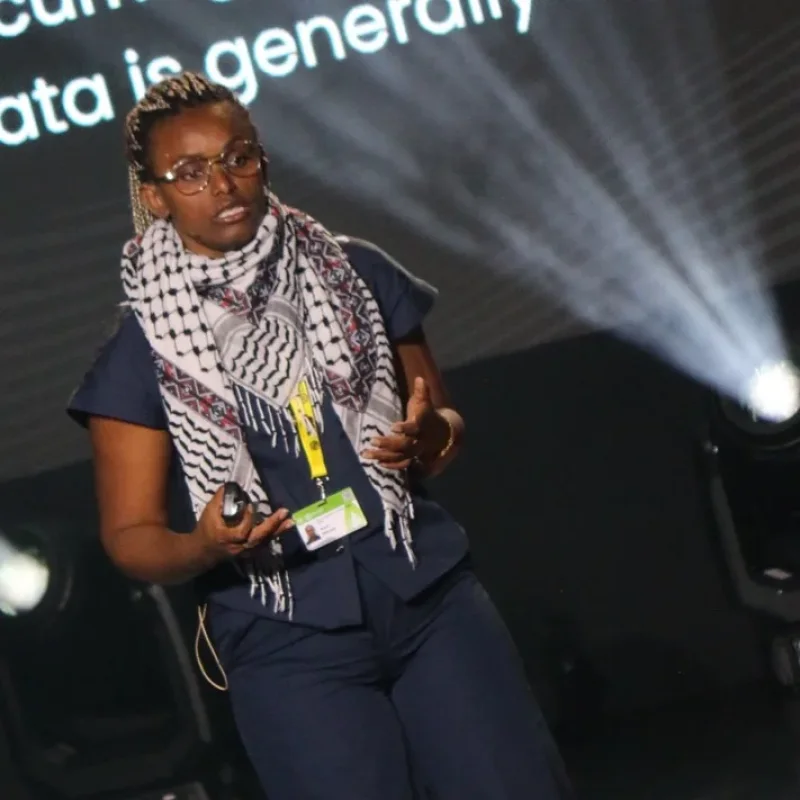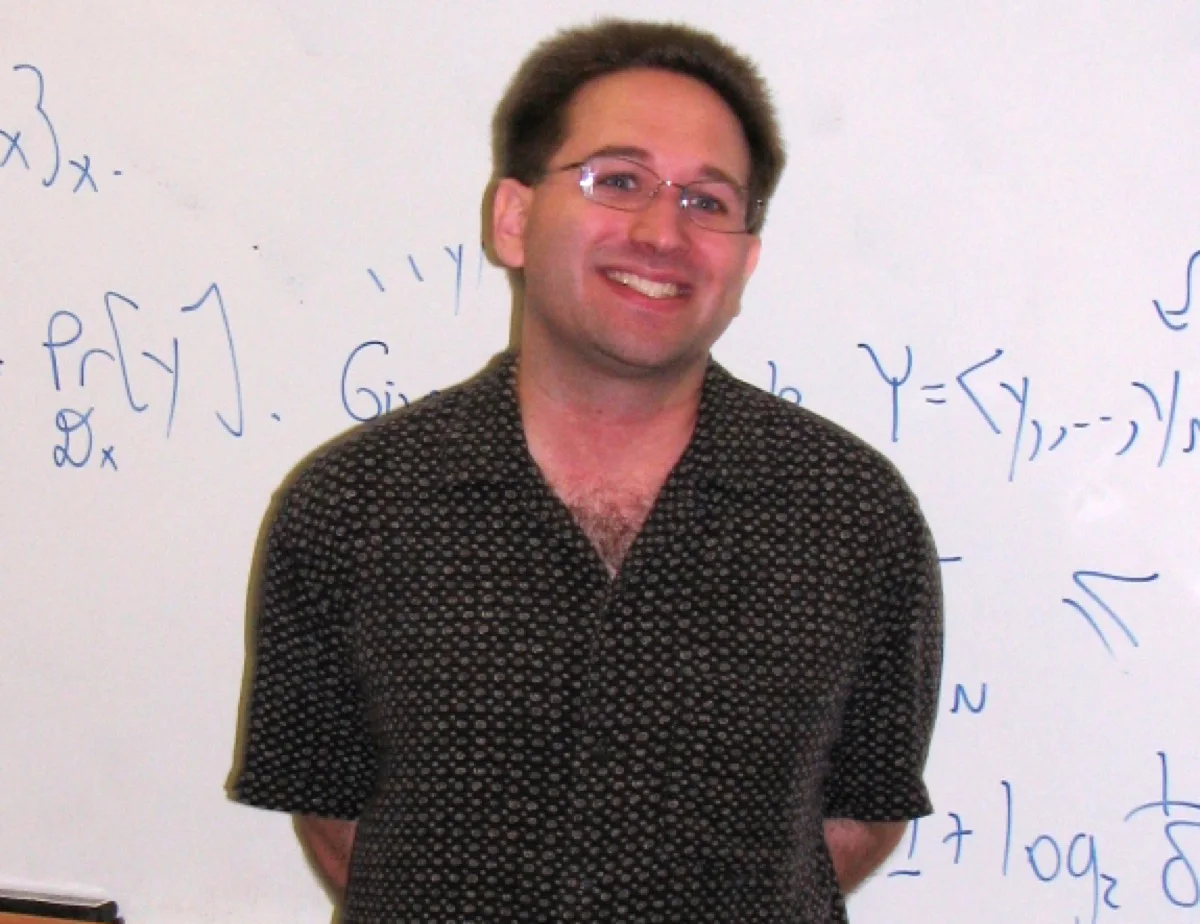
Scott Aaronson
Theoretical Computer Scientist
UT Austin’s quantum-computing theorist and blogger of Shtetl-Optimized. He spent two years at OpenAI inventing watermarking for AI text, and argues for taking AI seriously — its promise and its risks — without succumbing to doom.
Why this score
How the formula works →- 41%nuancedHolds a documented two-sided view
- 41%nuancedWorks on AI safety
- 18%pro2 pro-AI statements (measured)
Includes the ×1.25 multiplier for having a stake in an AI-impacted field. Evidence splits 18% pro, 0% anti, 82% direction-free → Nuanced
In his words
In my last post, I said that my “Faust parameter” — the probability I’d accept of existential catastrophe in exchange for learning the answers to humanity’s greatest questions — might be as high as 0.02.
Basically, whenever GPT generates some long text, we want there to be an otherwise unnoticeable secret signal in its choices of words, which you can use to prove later that, yes, this came from GPT.
Biography
Scott Aaronson (born 1981) holds the Schlumberger Chair of Computer Science at UT Austin, where he directs the Quantum Information Center. One of the world’s leading quantum-complexity theorists — his group’s work underpinned Google’s 2019 quantum supremacy experiment — he is equally famous for Shtetl-Optimized, a two-decade-running blog where much of the field argues in the comments.
Two years inside OpenAI
From 2022 to 2024 Aaronson took leave to work on OpenAI’s alignment team, asking what theoretical computer science can do for AI safety. His signature result was a cryptographic scheme for watermarking language-model outputs — an invisible statistical signal for proving text came from a model. OpenAI never shipped it, he later noted with some frustration, but Google DeepMind deployed a close cousin in Gemini as SynthID.
Aaronson stakes out a deliberate middle position he has called “reform” alignment: he refuses the confident doom of Eliezer Yudkowsky — writing a much-discussed 2023 essay titled “Why am I not terrified of AI?” — while equally refusing the dismissal that nothing important is happening. He puts the existential stakes low but not at zero, and argues the right response is exactly the kind of technical safety work he did at OpenAI: concrete, checkable, and useful even if the doomers are wrong.
Quote sources
- Shtetl-Optimized, 2022(scottaaronson.blog)
- Shtetl-Optimized, 2023(scottaaronson.blog)
Sources & further reading
Canonical record: https://battlelines.ai/topic/scott-aaronson