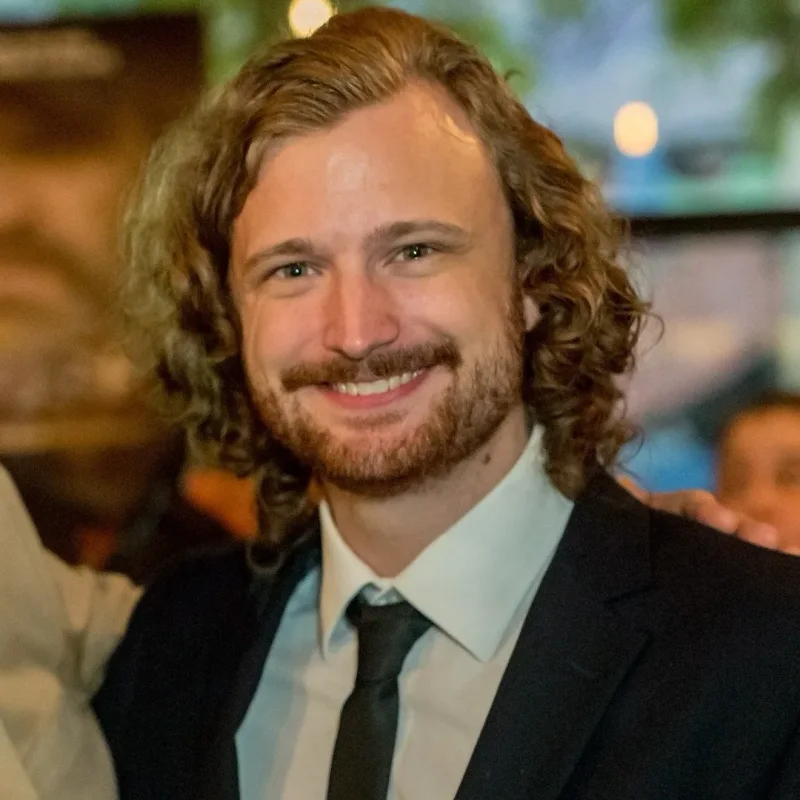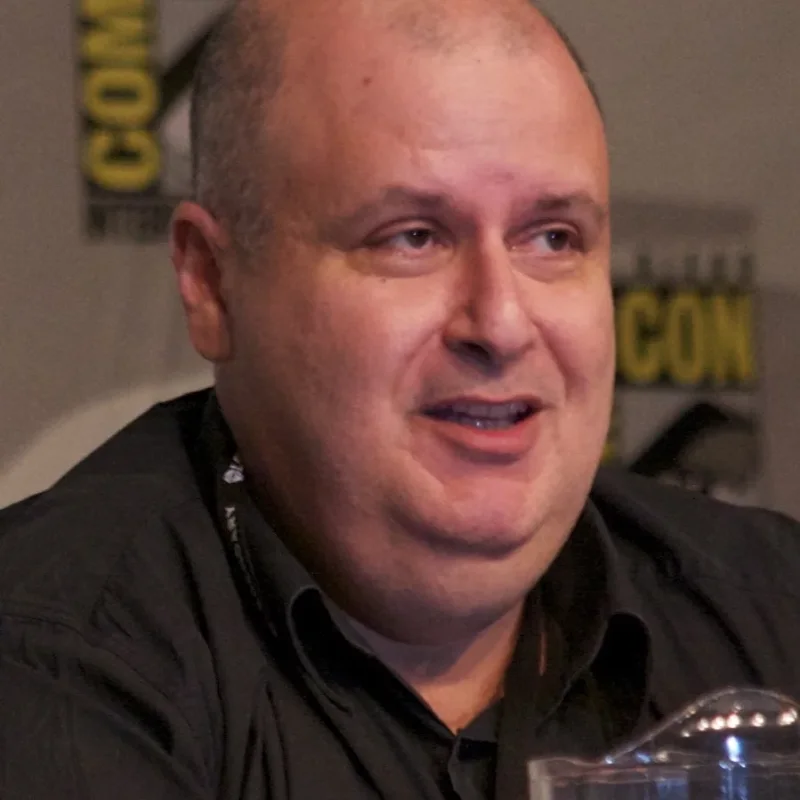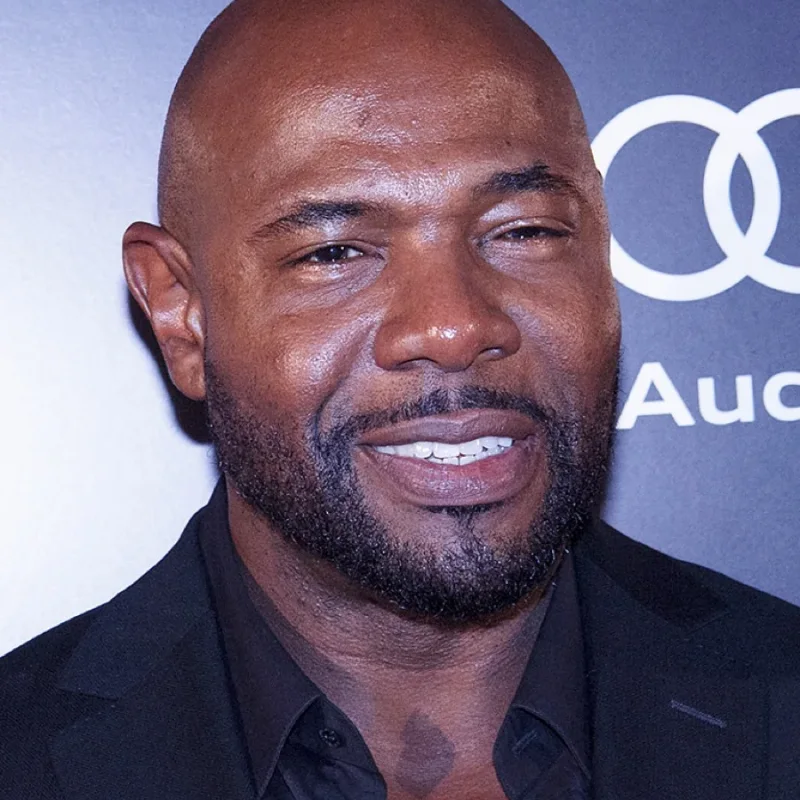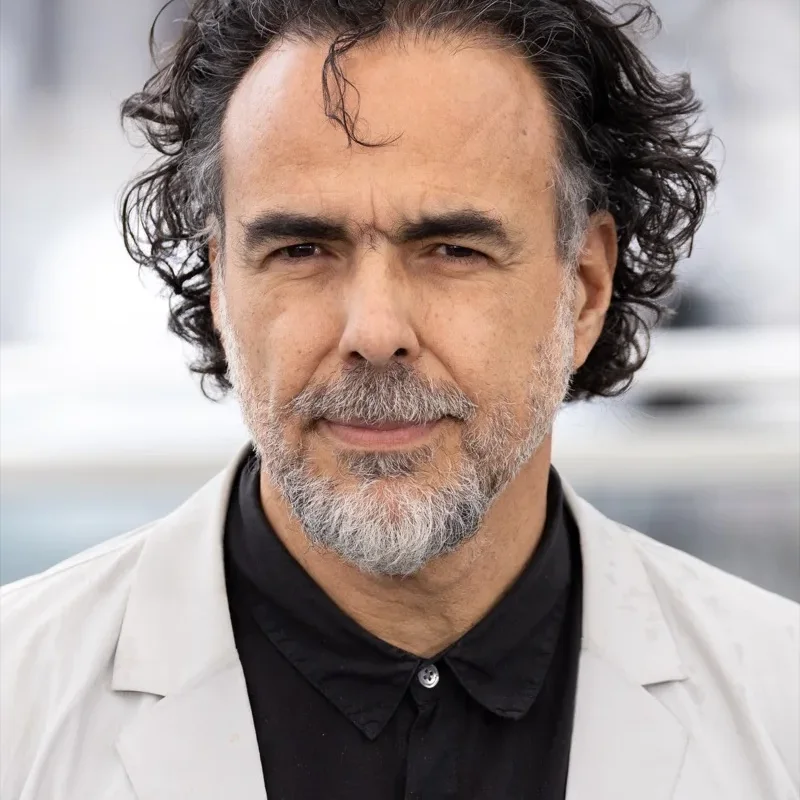
Kane Parsons
Director
Self-taught filmmaker who created the viral “Backrooms” horror series on YouTube as a teenager and directed its record-breaking feature adaptation. A VFX prodigy, he is sharply critical of generative AI — saying he would make it “disappear forever” if he could — though a fan-discovered Midjourney account later revealed he had experimented with the tools himself in 2023, a fact he acknowledged only after it surfaced.
Why this score
How the formula works →- 34%antiProfesses hatred of AI
- 28%nuancedHolds a documented two-sided view
- 21%anti3 anti-AI statements (fervent)
- 17%proUses AI casually
Includes the ×1.25 multiplier for having a stake in an AI-impacted field. Evidence splits 17% pro, 55% anti, 28% direction-free → Nuanced
In his words
If I could snap my fingers and make generative AI disappear forever, I probably would.
Creatively, I get no enjoyment from using those tools. It defeats the purpose entirely for me.
Biography
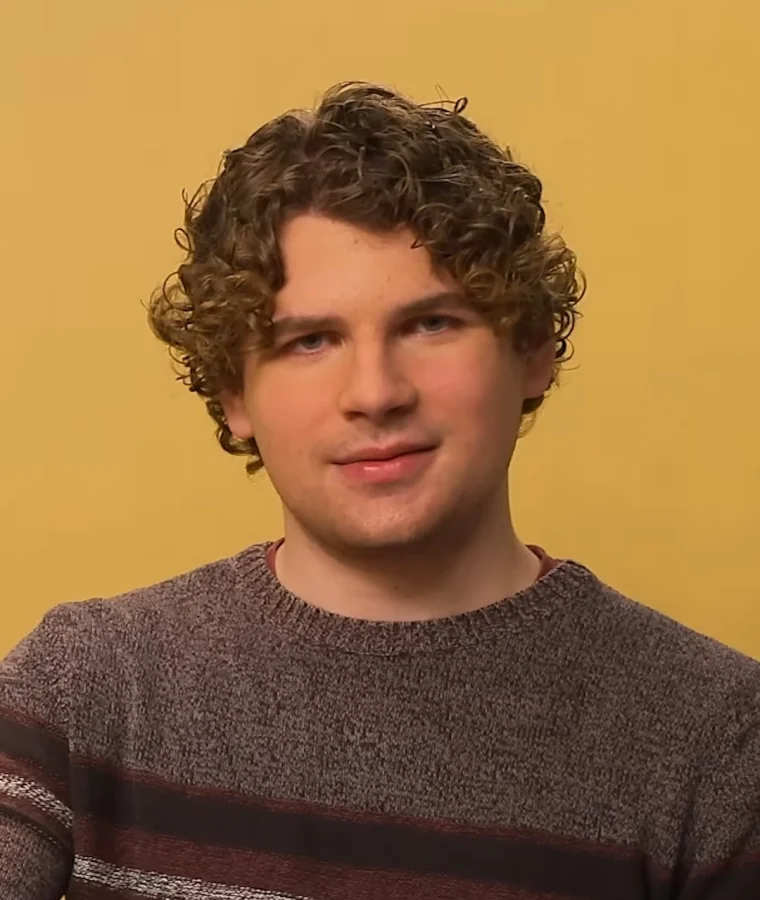
Kane Parsons (born 2005) is an American filmmaker and visual-effects artist who became an internet phenomenon while still in his teens. His found-footage horror series The Backrooms, posted to his YouTube channel, drew hundreds of millions of views and earned him a feature-film adaptation backed by major Hollywood producers — a remarkable trajectory built almost entirely on self-taught 3D, compositing, and editing skills.
The biggest opening in A24 history
The bet paid off spectacularly. Backrooms, which Parsons directed for A24, opened in U.S. theaters on May 29, 2026 to $81.4 million domestically and $118 million worldwide — the biggest opening weekend in A24’s history, more than tripling the record set by Civil War — and made Parsons, at 20, the youngest director ever to top the domestic box office. The film was made without generative AI tools, and Parsons spent the press tour saying exactly why.
Precisely because he is a digital-native craftsman, his rejection of generative AI carries weight. He frames it not as a labor or rights argument first, but as a creative one: the tools, he says, drain the satisfaction out of the work for him, and he experiences the broader flood of AI imagery as a kind of cultural decay.
We already live in a world where you walk outside and there are billboards and signs that are obvious AI slop. That’s become part of our visual reality. To me, generative AI feels less like innovation than a symptom of a broader cultural and economic rot.
It is a striking stance from someone whose entire career was enabled by cheap, accessible digital tools — and one of the clearest articulations of the purist position that the value of the work lies in the human effort of making it. Yet his rejection has a curious edge: Parsons is fascinated by AI as a subject, and has said the aesthetics of machine-generated imagery belong in art even if the machines do not.
I’m interested in using that iconography in art — not using AI to make the art itself, but examining what it represents.
The Midjourney account
His stated distance from the tools turned out to be more complicated than the press tour suggested. On July 7, 2026, a Midjourney account belonging to Parsons was surfaced publicly. The person who found it claimed it held hundreds of image-generation prompts — including concepts adjacent to his Backrooms mythology — and that the account was deleted shortly after being discovered. Parsons addressed the discovery the same day in his official Discord server, acknowledging the experimentation while stressing that it predated his public opposition.
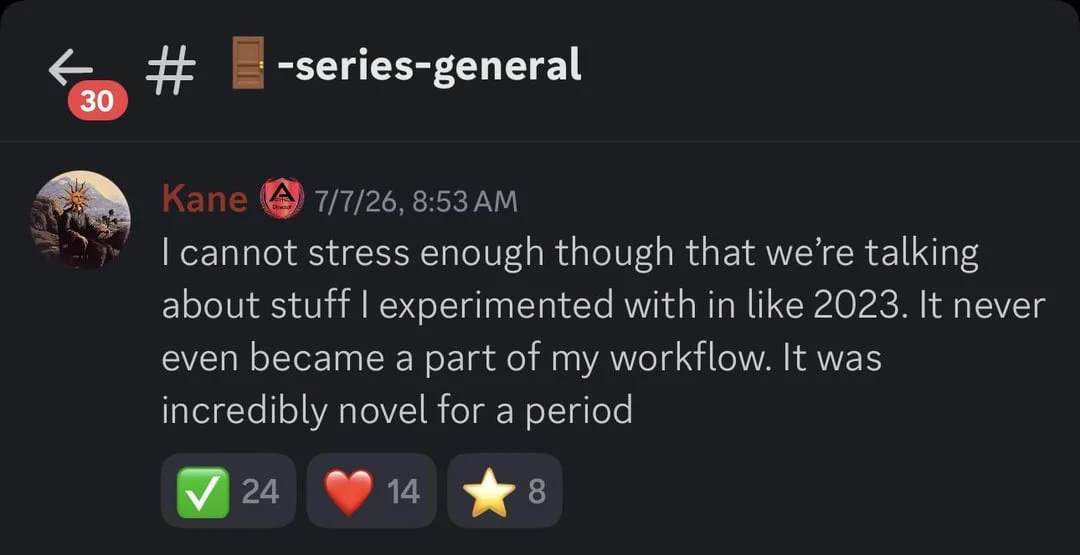
I cannot stress enough though that we’re talking about stuff I experimented with in like 2023. It never even became a part of my workflow. It was incredibly novel for a period
Taken at face value, the two positions are reconcilable: trying a novel tool in 2023 and rejecting it by 2026 is a trajectory plenty of artists share, and “it never became part of my workflow” appears to be true of the finished films. But the disclosure came only after the account was found, and critics were quick to note that a press tour built partly on his rejection of generative AI never mentioned the experimentation. Commentators also pointed to a Last Podcast on the Left interview in which Parsons had mentioned using ChatGPT to organize notes.
Gallery
Quote sources
- Variety, 2026(variety.com)
Sources & further reading
- Variety: Backrooms Director Kane Parsons — AI Defeats the Purpose of Filmmaking (2026)
- Deadline: “Backrooms” $81M U.S., $118M WW Opening Is An A24 Record (2026)
- r/KanePixelsBackrooms: Kane Pixels’ Response to His Midjourney Account (2026)
- Slimebeast: “Kane Pixels Lied (a Tiny Bit) About Using AI” (2026)
Canonical record: https://battlelines.ai/topic/kane-parsons