Nintendo
Video Game Company
The maker of Mario and Zelda told shareholders in 2024 that it is not using generative AI in its games, citing intellectual-property concerns and pledging to keep delivering value “unique to Nintendo” through human craft.
Why this score
How the formula works →- +2.4anti3 anti-AI statements (measured)
- ±0nuancedHolds a documented two-sided view
Weights, statement counts, the ×1.25 multiplier for having a stake in an AI-impacted field, and the formula’s smoothing are already baked in — the points add up to the score (direction-free evidence pulls toward the middle instead): Leaning Anti-AI · 2.4/10
In their words
We will work to continue delivering value that is unique to Nintendo and cannot be created by technology alone.
Generative AI, which is becoming a big topic recently, can be used in creative ways, but we recognize that it may also raise issues with intellectual property rights.
Biography
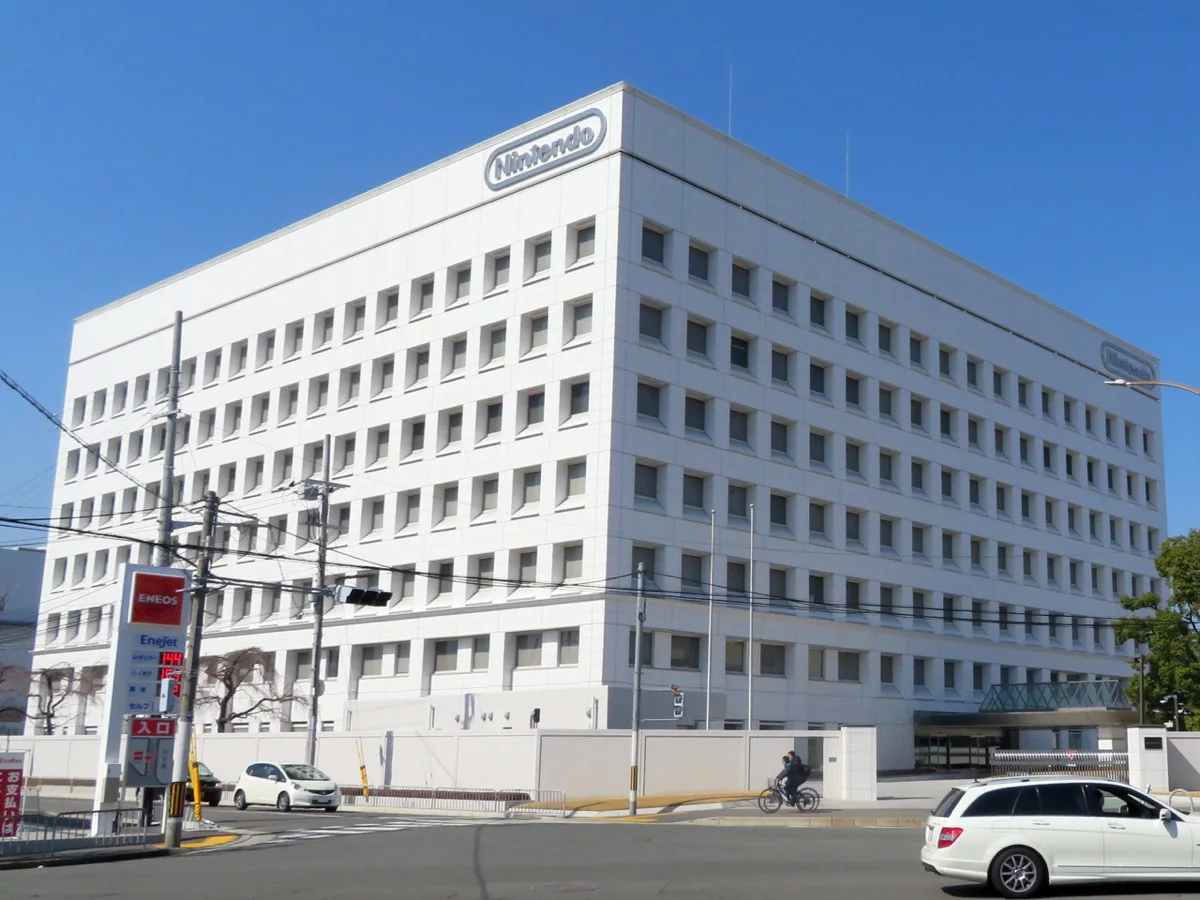
Nintendo, founded in Kyoto in 1889 as a playing-card maker, is the most protective IP holder in video games — the company behind Mario, Zelda, and Pokémon, and famously quick to litigate anything that touches its characters. So when the generative-AI wave swept game development, Nintendo’s answer carried weight.
“Value unique to Nintendo”
At the company’s 84th annual shareholders meeting in June 2024, president Shuntaro Furukawa noted that AI-like techniques have always driven game behavior, but drew a line at the new wave: generative AI “can be used in creative ways,” he said, while flagging its intellectual-property problems — and declared that Nintendo, with decades of know-how in crafting gaming experiences, would keep delivering value “unique to Nintendo and cannot be created by technology alone.” The remarks were widely read as a refusal to build its games on generative AI, a stark contrast with rivals like Microsoft and EA racing to adopt it.
The stance is enforcement-minded, too. Furukawa later told investors that whether or not generative AI is involved, anything Nintendo determines infringes its IP will be met with “appropriate” action — a warning aimed at AI tools that can conjure Mario on demand, and of a piece with the design culture built by Shigeru Miyamoto, where hand-crafted play is the product.
Nintendo has left the door ajar — Furukawa says the company remains “flexible” toward technological developments, and machine-learning techniques appear in research contexts like upscaling. But as of 2026, no flagship Nintendo title is known to ship generative-AI content, making the company the most prominent holdout in the industry.
Quote sources
- Shuntaro Furukawa, Nintendo shareholder Q&A, 2024(nintendo.co.jp)
Sources & further reading
Canonical record: https://battlelines.ai/topic/nintendo