SAG-AFTRA
Performers’ Union
The 160,000-member union of screen actors and media performers. Its 118-day 2023 strike was fought largely over AI digital replicas, and it has since struck the video game industry over voice cloning and forced OpenAI to tighten Sora 2’s likeness rules.
Why this score
How the formula works →- +4.1antiCampaigns against AI
- +1.3anti2 anti-AI statements (fervent)
- ±0nuancedHolds a documented two-sided view
- ±0nuancedSupports AI only with conditions
Weights, statement counts, the ×1.25 multiplier for having a stake in an AI-impacted field, and the formula’s smoothing are already baked in — the points add up to the score (direction-free evidence pulls toward the middle instead): Firmly Anti-AI · 5.4/10
In their words
Artificial intelligence poses an existential threat to creative professions, and all actors and performers deserve contract language that protects them from having their identity and talent exploited without consent and pay.
If we don’t stand tall right now, we are all going to be in trouble. We are all going to be in jeopardy of being replaced by machines.
Simply put, opt-in protocols are the only way to do business and the NO FAKES Act will make us safer.
Biography
SAG-AFTRA — the Screen Actors Guild–American Federation of Television and Radio Artists — was formed in 2012 by the merger of two unions whose roots reach back to 1930s Hollywood. It represents roughly 160,000 actors, broadcasters, voice artists and other media professionals, and over the past three years it has become the single most consequential labor opponent of unregulated AI in entertainment.
The 2023 strike and the digital-replica fight
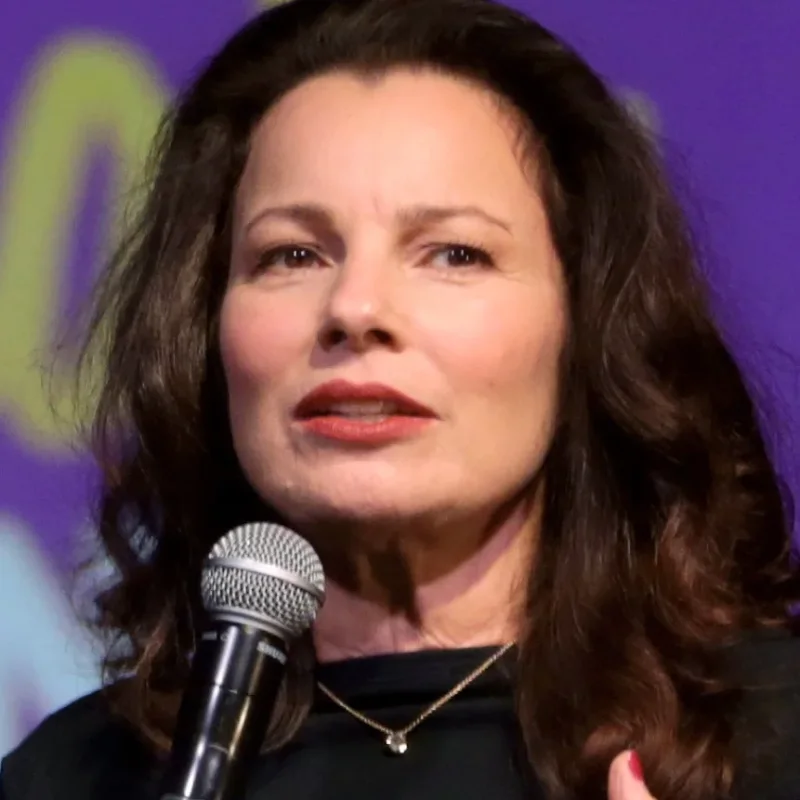
On July 14, 2023, SAG-AFTRA walked out against the major studios in its first film-and-TV strike since 1980, joining the striking writers in Hollywood’s biggest shutdown in decades. Alongside pay and streaming residuals, AI was the emotional core of the fight: performers feared being scanned once and replicated forever. President Fran Drescher called AI an existential threat at the launch press conference, and later told Deadline the AI protections — not the money — were the final sticking point. The 118-day strike ended in November 2023 with a contract establishing consent and compensation requirements for “digital replicas” of performers.
Video games and Sora
The union then struck the video game industry on July 26, 2024, after publishers refused AI protections for all performers — voice cloning being the flashpoint. That strike ran nearly a year, ending with a new Interactive Media Agreement ratified on July 9, 2025, that requires transparency, consent and compensation for digital replica use. In October 2025, after OpenAI’s Sora 2 app flooded feeds with unauthorized deepfakes of members including Bryan Cranston, SAG-AFTRA pressured OpenAI into strengthening opt-in guardrails for voice and likeness, with new president Sean Astin declaring that opt-in protocols are the only acceptable way to do business. The union continues to lobby for the federal NO FAKES Act.
Notably, SAG-AFTRA’s posture is consent-based rather than prohibitionist: its contracts permit digital replicas when performers agree and are paid, a framework critics within the membership have sometimes called too permissive — a minority of actors campaigned against ratifying the 2023 deal, arguing its AI language conceded too much.
Quote sources
- Fran Drescher, strike press conference, July 2023(nbcnews.com)
- Sean Astin, SAG-AFTRA–OpenAI joint statement, October 2025(sagaftra.org)
Sources & further reading
- NBC News: Actors vs. AI — strike brings focus to emerging use of advanced tech (2023)
- Deadline: Fran Drescher talks strike ending and AI (2023)
- NPR: SAG-AFTRA reaches deal that ends video game strike (2025)
- CNBC: OpenAI cracks down on Sora 2 deepfakes after pressure from Bryan Cranston, SAG-AFTRA (2025)
Canonical record: https://battlelines.ai/topic/sag-aftra